7 Best Reliable CNC Routers for Global Buyers?

7 Best Reliable CNC Routers for Global Buyers?

Choosing a CNC router for international production is rarely a simple price comparison. Buyers must examine cutting accuracy, spindle performance, software compatibility, service coverage, and long-term operating costs. A machine may look impressive online, yet perform poorly when dust collection, voltage, or material support is overlooked. This guide explores seven Reliable Cnc Router options for global buyers seeking dependable results.

Real workshop experience shows that reliability appears in small details. A rigid steel frame reduces vibration during hardwood cutting. Linear rails should move smoothly after repeated daily cycles. Clear control interfaces also matter when operators switch between plywood, acrylic, aluminum, or composite sheets. Some routers offer impressive specifications, but their technical support may be slow or unclear. That weakness deserves attention.

A practical evaluation should include accuracy tests, maintenance access, safety features, warranty terms, spare-parts availability, and training resources. Buyers should request sample cuts before placing a large order. A clean edge on a 20-millimeter hardwood panel can reveal more than a polished brochure. Electrical standards and shipping arrangements also differ across regions. Careful verification prevents expensive surprises.

No ranking can fit every workshop. Production volume, available floor space, operator experience, and target materials shape the right decision. The seven machines discussed here represent different strengths, from compact versatility to heavy-duty fabrication. Their advantages are meaningful, but none is perfect. A thoughtful buyer should compare evidence, question exaggerated claims, and choose performance that remains consistent after installation.
7 Best Reliable CNC Routers for Global Buyers?

What Makes a CNC Router Reliable for Global Buyers

Reliable CNC routers are judged by more than cutting speed. For global buyers, the best seven options usually include three-axis, four-axis, moving-table, gantry, enclosed, automatic tool-changing, and heavy-duty routers. Each suits different materials and workloads.

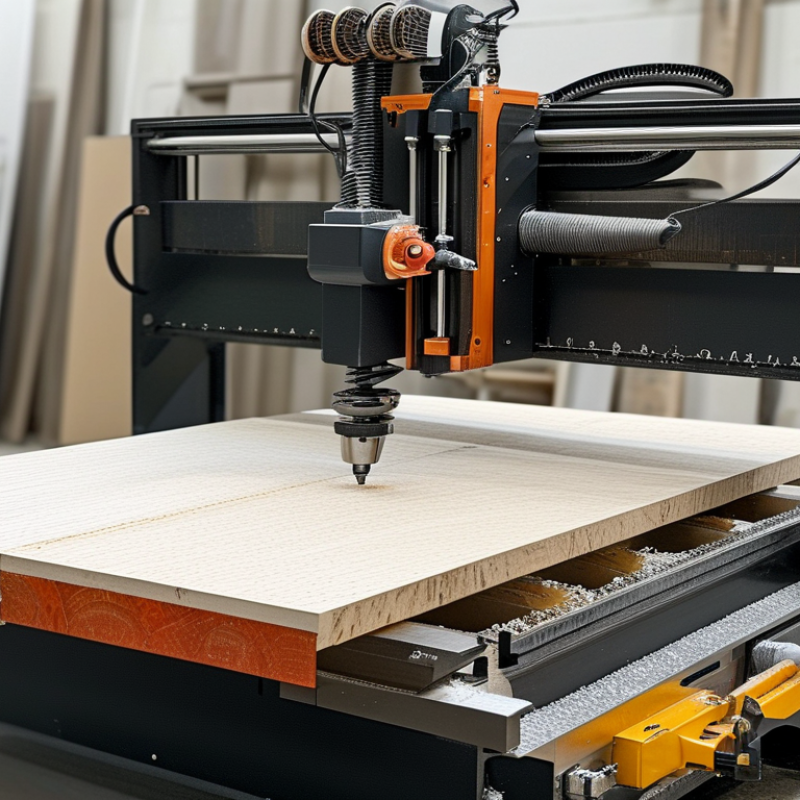
A rigid frame reduces vibration when cutting plywood, acrylic, aluminum, or hardwood. Linear rails should move smoothly, without grinding sounds or visible play. Repeatability matters more than impressive advertising numbers.

A dependable machine also needs a stable control system, clear manuals, and accessible replacement parts. Check the working voltage, plug type, emergency-stop design, and electrical documentation before ordering internationally.

Dust extraction is important in daily production. Poor dust control can damage bearings, sensors, and cooling fans. Ask for test-cut videos, spindle runout data, positioning accuracy, and long-term operating references. Short demonstrations can hide heat buildup.

Small details matter.

After-sales support often decides reliability. Confirm remote troubleshooting, training, warranty coverage, and response times across time zones.

A supplier should explain maintenance intervals instead of promising zero maintenance. That promise is unrealistic. Even a strong router may lose accuracy after careless lubrication, loose fasteners, or unstable power.

Buyers should inspect the machine on arrival and record initial test results. I would also leave room for doubt: factory accuracy does not guarantee workshop accuracy.

Operator skill, material quality, humidity, and maintenance habits can change the result. A reliable CNC router is therefore a complete working system, not merely a machine with a powerful spindle.
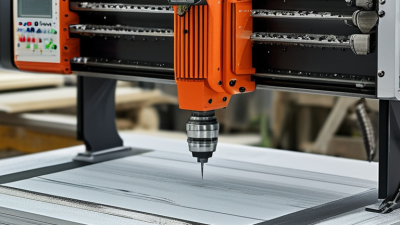
Key Specifications for Comparing CNC Router Performance

For the seven most reliable CNC routers, compare measurable performance, not attractive brochures. Start with working area, spindle power, and frame stiffness. A 1,300 x 2,500 mm bed suits standard sheet goods, while a smaller bed can improve rigidity. Spindle ratings need caution. A 3.5 kW spindle may cut wood quickly, but feed rate depends on tooling, chip load, and material moisture. Poor calibration can waste that power.

Accuracy requires clearer evidence. ISO 230-2 defines methods for testing positioning accuracy and repeatability. Ask suppliers for test results, not only stated tolerances. A practical check uses a dial indicator, test cuts, and repeated holes across the table. Thermal drift matters during long jobs. Even a strong machine may shift after several hours. That detail is easy to overlook.

Maintenance data also reveals reliability. The U.S. Department of Energy’s Industrial Assessment Centers frequently identify compressed-air leaks, inefficient motors, and poor maintenance as avoidable factory losses. For routers, inspect dust collection, linear guides, rack-and-pinion wear, and emergency-stop response. The International Federation of Robotics reported 541,302 industrial robot installations worldwide in 2023, showing how automation is expanding, but CNC router uptime still depends on operators. A useful comparison records cycle time, surface finish, noise, and recovery after power interruption. My own preference is conservative: published accuracy is only a starting point. Real material tests often tell a less flattering story.

Seven Reliable CNC Routers for Different Buyer Needs

Choosing the right CNC router depends more on workload than appearance. Grand View Research reported that the global CNC machine market reached about $83.7 billion in 2023. It also projects strong growth through 2030. That expansion reflects wider automation, but reliability still varies by application.

For learners and small studios, a compact three-axis router offers lower power use and simpler maintenance. Sign makers may prefer a rigid three-axis gantry with vacuum hold-down. Cabinet workshops need a 4-by-8-foot table, automatic tool changing, and dependable dust extraction. High-volume furniture producers should consider a nesting router with barcode workflow and stronger spindle cooling. Oversized-panel buyers need an extended-bed model, although floor space becomes a serious cost. Stone and plastic fabricators require sealed guides, water control, and corrosion-resistant components. Industrial users may need a custom router with dual tables, probing, and remote diagnostics.

Tips: Check repeatability reports, not only cutting speed. Ask for service response times and spare-part availability. ISO 230-2 testing can help compare positioning accuracy. However, published figures may reflect ideal factory conditions. In daily use, dust, vibration, and operator habits change results. I would test a sample panel before purchasing. A perfect specification sheet can still disappoint. Look for accessible lubrication points, clear guarding, stable software updates, and documented training. Reliability is often proven beside the machine, not inside the brochure.

7 Best Reliable CNC Routers for Global Buyers? - Seven Reliable CNC Routers for Different Buyer Needs

Rank Router Type Best Buyer Need Typical Working Area Typical Spindle Power Recommended Materials Typical Positioning Accuracy Drive System Common Power Options Key Reliability Feature
1 Heavy-Duty Industrial CNC Router Continuous production and large sheet processing 1,300 × 2,500 mm to 2,000 × 4,000 mm 6–12 kW Wood, MDF, plywood, plastics, composites, and aluminum with suitable tooling ±0.05–0.10 mm Helical rack-and-pinion on X/Y; ball screw on Z Three-phase, 380–415 V or 220–240 V depending on region Steel welded frame, automatic lubrication, vacuum table, and closed-loop or servo motion control
2 Professional 4 × 8 CNC Router Cabinetmaking, furniture, signage, and general fabrication 1,300 × 2,500 mm 3–6 kW Solid wood, plywood, MDF, laminates, acrylic, PVC, and non-ferrous sheet materials ±0.08–0.15 mm Rack-and-pinion on X/Y; ball screw or precision screw on Z Single-phase or three-phase, 220–240 V; regional options available Rigid gantry, automatic tool setting, dust extraction, and sectional vacuum zones
3 Compact Workshop CNC Router Small workshops, makers, schools, and limited production space 600 × 900 mm to 1,000 × 1,500 mm 1.5–3 kW Wood, plastics, acrylic, foam, PCB materials, and light aluminum work ±0.10–0.20 mm Lead screw or ball screw; rack drive on larger compact models Single-phase, 110–120 V or 220–240 V Small footprint, simple maintenance, enclosed cable routing, and accessible controls
4 ATC CNC Router Mixed jobs requiring frequent tool changes 1,300 × 2,500 mm or 1,500 × 3,000 mm 6–9 kW Wood products, composites, plastics, aluminum panels, and engraved sheet goods ±0.05–0.10 mm Servo-driven rack-and-pinion with ball screw on Z Three-phase, 380–415 V or 220–240 V Automatic tool changer with 6–12 tool positions, tool-length measurement, and preset jobs
5 Rotary-Axis CNC Router Carving columns, posts, furniture legs, and cylindrical parts Flat bed: 1,300 × 2,500 mm; rotary diameter: 150–300 mm 3–6 kW Wood, foam, plastics, modeling board, and selected non-ferrous metals ±0.08–0.15 mm Rack-and-pinion or ball screw with an integrated rotary axis Single-phase or three-phase, 220–240 V or 380–415 V Indexing rotary attachment, strong tailstock support, and rigid gantry construction
6 High-Speed Sign-Making CNC Router Fast engraving, lettering, display boards, and signage 1,300 × 2,500 mm or 1,500 × 3,000 mm 2.2–4.5 kW Acrylic, PVC, ACM panels, wood, MDF, foam board, and laminates ±0.10–0.20 mm Rack-and-pinion on X/Y; ball screw or precision screw on Z Single-phase, 220–240 V; 110–120 V versions may be available High-speed spindle, vacuum hold-down, dust collection, and optimized engraving software
7 Entry-Level CNC Router Training, prototyping, hobby projects, and low-volume work 400 × 600 mm to 800 × 1,200 mm 0.8–2.2 kW Wood, plastics, acrylic, foam, PCB materials, and light engraving stock ±0.15–0.30 mm Lead screw or belt drive, depending on size and design Single-phase, 110–120 V or 220–240 V Low operating cost, simple controller, replaceable components, and straightforward setup

Specifications are representative market ranges for comparable CNC router configurations. Actual performance depends on machine construction, tooling, material, software, installation quality, and regional electrical standards.

Global Purchasing Factors: Standards, Service, and Shipping

Buying a reliable CNC router across borders requires more than comparing spindle power and table size. In my purchasing experience, standards often reveal a machine’s real quality. Ask for electrical ratings, safety documents, factory test records, and clear component specifications. Confirm compatibility with local voltage, frequency, plugs, and workplace requirements. Do not accept a certificate without checking its scope and issuing body. Paperwork matters.

Service is equally practical. A responsive supplier should provide installation guidance, operating videos, spare-parts lists, and clear warranty terms. Ask how quickly technical questions receive answers. Check whether remote diagnostics are available. A short test-cut video can reveal vibration, rough edges, or inconsistent depth. I once underestimated training time. The machine arrived ready, but our operator needed several days to gain confidence. That mistake was expensive.

Shipping deserves a written plan. Confirm crate dimensions, gross weight, insurance, loading photos, and the exact delivery term. Clarify who handles customs documents, port charges, inland transport, and final unloading. Protect sensitive parts with sealed packaging and moisture control. Delays happen. Build time into the schedule. A lower purchase price may lose its appeal when missing documents hold the router at a port. Before payment, compare every promise with the contract, not only the sales conversation.

How to Select the Right CNC Router for Your Workshop

7 Best Reliable CNC Routers for Global Buyers?

How to Select the Right CNC Router for Your Workshop

Choosing a CNC router starts with your workshop, not an impressive specification sheet. Measure the available floor space, door width, and electrical capacity. A compact machine may suit small furniture parts and signs. Larger tables support full panels but require stronger extraction and more room. Consider the materials you actually cut. Wood, plastics, and aluminum need different spindle power, cutting speeds, and tooling.

I once underestimated dust collection. The machine worked, but fine dust quickly covered the rails and affected maintenance. That mistake changed my selection process. Check whether the frame feels rigid, the gantry moves smoothly, and the emergency stop is easy to reach. Ask for repeatability data, sample cuts, and a clear warranty. Do not trust vague claims. Request test results instead.

Global buyers should confirm voltage, frequency, plug standards, shipping dimensions, and installation requirements. A reliable supplier should provide readable manuals, training videos, wiring diagrams, and spare-part guidance. Local technical support can matter more than a slightly lower purchase price. Verify software compatibility with your existing design workflow. Also inspect the control system before ordering. Some interfaces look simple but become frustrating during daily production.

Leave room for errors. Your first projects may reveal that the chosen table is too small or the spindle is too weak. Speak with experienced operators and request references from workshops using similar materials. Safety guarding, dust extraction, grounding, and operator training should be documented, not assumed.

WhatsApp Online Chat !