Top 10 Benefits of Using a Cnc Router for Your Business?
In today's competitive manufacturing landscape, businesses are increasingly turning to technology for solutions. One vital investment is the Cnc Router. According to a recent industry report by MarketsandMarkets, the CNC machine market is expected to reach $100 billion by 2026. This growth is fueled by the demand for precision and efficiency. Companies utilizing Cnc Routers report significant improvements in productivity and product quality.
The Cnc Router offers versatile applications. From woodworking to metal fabrication, its ability to handle diverse materials is impressive. Precision is critical in industries like aerospace, where even minor errors can have substantial impacts. A survey conducted by IBISWorld suggests that CNC machinery users report a 30% reduction in production time. However, the initial investment can be a barrier for some businesses.
Reflecting on the transition to Cnc Router technology, many companies encounter challenges. Proper training and maintenance can be time-consuming. Yet, the long-term benefits often outweigh these initial hurdles. Adopting Cnc Router technology means committing to continuous improvement and innovation. The potential rewards are substantial, pushing businesses to reassess their operational strategies.
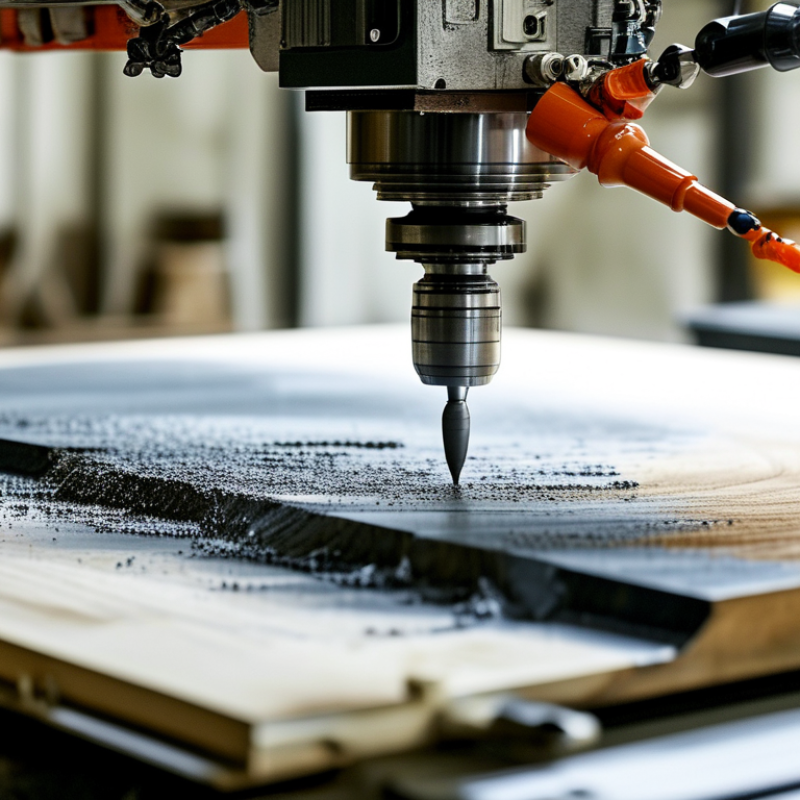
Benefits of Increased Precision and Accuracy in CNC Routing
CNC routers are known for their unmatched precision. This technology allows for cuts that are clean and intricate. High accuracy reduces material waste. Every cut is replicated with the same consistency. This is vital for businesses seeking reliability.
Wasting materials is a concern for many industries. With CNC routing, even complex designs are executed flawlessly. This enhances productivity. Workers can focus on other tasks, knowing the router will deliver exact results. However, machine calibration is essential. Neglecting maintenance can lead to inaccuracies.
The speed of CNC routers cannot be overlooked. They operate much faster than manual methods. This efficiency leads to quicker turnaround times. Yet, rushing operations may compromise attention to detail. Reflecting on these factors can lead to better outcomes.
Enhancing Production Speed and Efficiency with CNC Routers
CNC routers have revolutionized production speed and efficiency in various industries. According to a report by Freedonia Group, companies using CNC technology can improve their production rates by up to 50%. This significant increase stems from the precision and consistency CNC machines offer, reducing errors and waste in materials. For manufacturers, this means lower costs and higher profit margins, as reliable outputs lead to better customer satisfaction.
Moreover, CNC routers allow for complex designs that would be challenging with traditional methods. Businesses can experiment with creative designs without worrying about extensive retooling. According to industry statistics, companies reported a 30% decrease in setup time after integrating CNC routers into their processes. This swift adjustment fosters innovation, allowing teams to focus on improving their products instead of getting bogged down by limitations of older machinery. The flexibility in production further enhances efficiency.
However, integrating CNC routers is not without its challenges. The initial setup costs can be high, and staff may require training to operate the machines effectively. Transitioning workflows to accommodate CNC technology takes thoughtful planning. Despite these hurdles, data shows that the long-term returns often outweigh the initial investment. As technology continues to evolve, adopting CNC routers may become essential for businesses dedicated to maintaining a competitive edge in their markets.
Versatility in Material Types and Applications for CNC Machines
CNC routers offer unmatched versatility, making them an essential tool for various industries. They can work with materials like wood, plastic, metal, and composites. This adaptability allows businesses to create a wide array of products. From intricate designs in cabinetry to precise parts in manufacturing, the options are limitless.
Using a CNC router means significant time savings. Unlike manual processes, these machines can consistently produce complex shapes with minimal human intervention. This precision can reduce errors and waste, yet it's essential to understand the learning curve involved. Mastery of CNC programming can be challenging. Businesses must invest time to harness the full potential of these machines.
While the benefits are clear, potential users should consider their specific needs. Not every project needs a CNC router. Sometimes, traditional methods may still be more efficient, especially for smaller runs. Balancing technology with hands-on skills is vital for long-term success in any venture. The effectiveness of CNC routers lies in strategic implementation.
Cost Savings and Waste Reduction Through CNC Routing Technology
CNC routing technology significantly enhances cost savings for businesses. Reducing material waste is one of its key benefits. By using precise computer-controlled tools, businesses can maximize the yield from each sheet of material. This precision minimizes unused portions, leading to lower material expenses. For example, furniture manufacturers see remarkable reductions in scraps.
Another aspect is the efficiency it brings to production. CNC routers operate continuously and consistently, which reduces labor costs. Workers can focus on more complex tasks while the machine handles repetitive cutting processes. Moreover, errors are less frequent with CNC routing, leading to fewer costly mistakes. However, initial setup and training may require investment and adjustment. businesses must assess their unique needs and weigh these upfront costs against long-term savings.
The environmental impact is also noteworthy. Less waste means a lower carbon footprint. Companies can appeal to eco-conscious consumers by implementing sustainable practices. Still, assessing the adoption of such technology requires careful planning. It involves analyzing workflow integration and potential resistance from staff. Ultimately, the benefits of lower costs and waste reduction through CNC routing are evident but require thoughtful implementation.
Ease of Use and Automation in CNC Router Operations
CNC routers have transformed the landscape of manufacturing, offering remarkable ease of use and automation. Their user-friendly interfaces allow operators to execute complex designs with minimal training. According to a recent report from the Association for Manufacturing Technology, companies implementing CNC technology reported a 30% increase in production efficiency. This shift represents significant savings in time and operational costs.
Automation reduces the need for manual labor in repetitive tasks. This technology can run 24/7, reducing downtime. In a study published by the National Institute of Standards and Technology, the increase in automation led to a 25% decrease in error rates compared to manual processes. This precise and continuous operation enables businesses to consistently enhance quality while scaling output.
Tip: Always invest time in training your staff on the CNC software. Well-trained operators can maximize machine capabilities. Additionally, regularly maintaining your CNC router will enhance its lifespan and performance. Consider evaluating your workflow to identify areas where automation can maximize efficiency. Embracing these changes can lead to a more streamlined process and reduce operational costs.
Top 10 Benefits of Using a CNC Router for Your Business
| Benefit |
Description |
Impact on Business |
| Precision |
CNC routers offer unparalleled precision in cutting and shaping materials. |
Reduces material wastage and increases product quality. |
| Automation |
Automates the manufacturing process, minimizing human error. |
Enhances overall efficiency and consistency in production. |
| Versatility |
Able to work with various materials including wood, plastic, and metal. |
Expands product offerings by allowing diverse materials for projects. |
| Speed |
Increases the speed of production compared to manual methods. |
Improves turnaround time, allowing faster order fulfillment. |
| Cost Efficiency |
Reduces labor costs and minimizes material waste. |
Increases profit margins and lowers overall operational costs. |
| Ease of Use |
User-friendly interface simplifies the programming and operation. |
Reduces the learning curve for new operators. |
| Customization |
Allows for easy design customization based on client needs. |
Enhances customer satisfaction through tailored solutions. |
| Consistency |
Maintains high-quality standards across multiple projects. |
Builds brand reputation for quality and reliability. |
| Scalability |
Easily scales production volumes to meet demand. |
Facilitates growth without significant additional investment. |
| Innovation |
Encourages creative designs and intricate cuts that were previously difficult. |
Establishes the business as a leader in industry innovation. |