Why Choose CNC Drilling Machines for Your Manufacturing Needs?
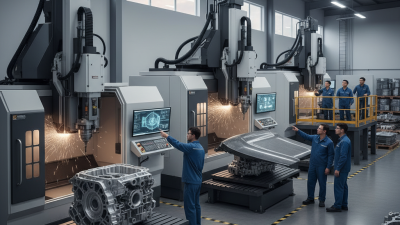
CNC drilling machines play a pivotal role in modern manufacturing. According to a report by MarketsandMarkets, the global CNC machine market is expected to reach $117 billion by 2026. This significant growth highlights the increasing reliance on advanced technology in precision engineering. Industries such as aerospace and automotive are demanding higher accuracy and efficiency. CNC drilling machines satisfy these needs with their ability to produce complex designs while minimizing human error.
Manufacturers face challenges in meeting production demands. CNC drilling machines offer speed, efficiency, and repeatability. A survey by IBISWorld shows that companies using CNC technology have reduced operational costs by 25%. However, businesses must carefully evaluate their equipment choices. Not all CNC drilling machines are created equal. Factors such as specifications, maintenance requirements, and software compatibility play crucial roles.
Investing in CNC drilling machines can lead to enhanced productivity. However, there is no one-size-fits-all solution. Companies must assess their unique needs and capabilities. As technology evolves, staying updated is vital. The right machine can make a difference, while the wrong choice can lead to costly mistakes. Understanding the nuances in CNC technology is essential for successful manufacturing.
Benefits of CNC Drilling Machines in Manufacturing Processes
CNC drilling machines have transformed the manufacturing landscape significantly. These machines streamline operations and enhance precision. According to a report by MarketsandMarkets, the CNC machine market is expected to reach $117 billion by 2025, driven by the increasing demand for automation in manufacturing. This reflects the growing adoption of CNC technology across various sectors.
One of the primary benefits is enhanced accuracy. CNC drilling machines can achieve tolerances as tight as ±0.01 mm, which is critical in industries like aerospace and automotive. Additionally, their speed is impressive. A study from the Machine Tool Manufacturers' Association found that CNC machines can complete drilling tasks up to three times faster than conventional methods. This efficiency not only reduces cycle times but also cuts labor costs.
However, it's essential to acknowledge some drawbacks. Initial investment costs can be high, which may deter smaller manufacturers. There's also a learning curve associated with operating these machines. While software interfaces are improving, staff training remains a challenge. Despite these challenges, the ongoing advancements in CNC technology continue to make them a vital asset for modern manufacturing processes.
Benefits of CNC Drilling Machines in Manufacturing Processes
Key Features of CNC Drilling Machines That Enhance Production Efficiency
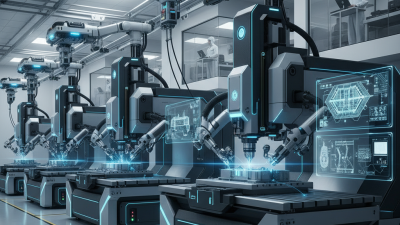
CNC drilling machines have become essential in modern manufacturing. Their precision and automation significantly enhance production efficiency. One key feature is the ability to execute complex drilling patterns. Operators can program intricate designs, reducing errors and increasing output speed.
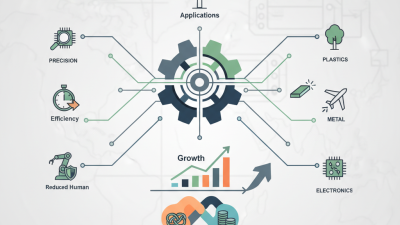
Another important aspect is the machine’s adaptability. CNC drilling machines can handle various materials, including metals and plastics. This versatility makes them suitable for different industries, from aerospace to electronics. Furthermore, these machines provide real-time monitoring. Operators receive instant feedback, allowing for quicker adjustments to improve processes.
Despite their advantages, there are some challenges. Initial setup can be time-consuming. Training staff to operate CNC machines effectively is also crucial. Inadequate training may lead to inefficiencies. Regular maintenance is another concern that shouldn’t be overlooked. These machines require consistent care to maintain their performance levels. Addressing these issues ensures that the full potential of CNC drilling machines is realized in any manufacturing setting.
Comparative Analysis: CNC Drilling vs. Traditional Drilling Methods
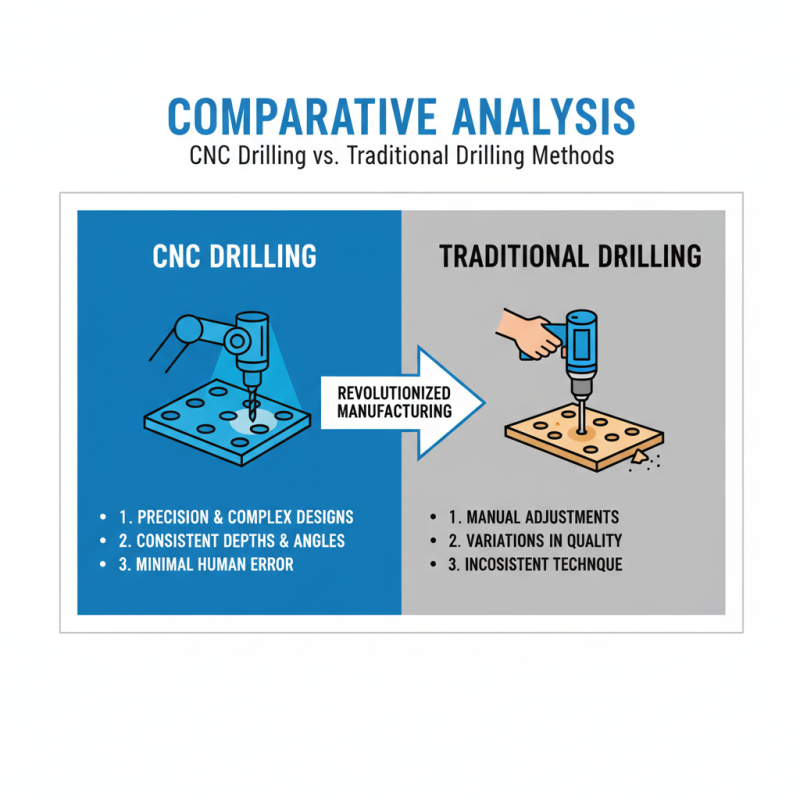
CNC drilling machines have revolutionized manufacturing by offering precision that traditional methods often cannot achieve. With CNC technology, the operator can input complex designs into the machine. This operation allows for consistent drilling depths and angles, minimizing human error. In contrast, traditional drilling usually relies on manual adjustments. This can lead to variations in product quality due to inconsistencies in technique.
Another notable difference lies in production speed. CNC machines operate at a quicker pace, enhancing efficiency. They can run continuously and require less downtime for adjustments. Traditional methods demand more time for setup and operator involvement. Additionally, labor costs can increase in traditional drilling due to the need for skilled workers to manage the process closely.
However, CNC technology isn't flawless. The initial investment can be significant, which may not be feasible for all manufacturers. Maintenance and technical knowledge are also critical. Organizations must ensure their staff is well-trained to maximize the technology's potential. Balancing the benefits of speed and precision with the costs and training is essential for companies considering this shift.
Applications of CNC Drilling Machines Across Different Industries
CNC drilling machines have become essential in various industries due to their precision and efficiency. These machines are widely used in aerospace, automotive, and construction sectors. Industry data shows that the global CNC machine market is expected to reach $100 billion by 2026. This growth reflects the increasing reliance on technology in manufacturing processes.
In aerospace manufacturing, CNC drilling machines are crucial for ensuring the accuracy of complex components. According to a report by Research and Markets, about 70% of aerospace companies have adopted CNC technology. This transition helps reduce errors and improve overall production speed. In contrast, the automotive industry leverages CNC drilling for parts that require tight tolerances. This precision is necessary for vehicle safety.
However, challenges remain. Not all manufacturers can fully utilize CNC technology. Initial investment costs can be high. Some small businesses may struggle with adaptation. Additionally, ongoing maintenance and training are critical for optimal performance. These factors must be carefully considered. Proper implementation can lead to significant returns in efficiency and quality.
Why Choose CNC Drilling Machines for Your Manufacturing Needs? - Applications of CNC Drilling Machines Across Different Industries
| Industry |
CNC Drilling Applications |
Benefits |
| Aerospace |
Precision drilling of lightweight materials |
Enhanced safety and reliability |
| Automotive |
Drilling holes for engine components |
Increased production efficiency |
| Construction |
Creating holes in structural steel |
Improved structural integrity |
| Electronics |
Drilling PCBs and enclosures |
Precision and scalability |
| Manufacturing |
Fabricating various parts and components |
Consistency and quality assurance |
Cost Considerations and ROI of Investing in CNC Drilling Technology
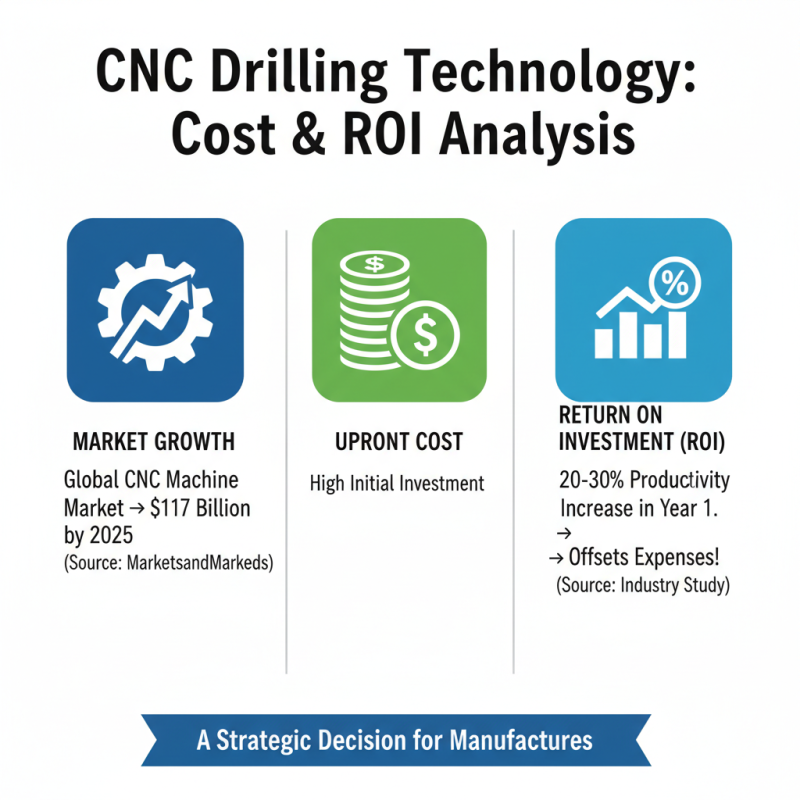
Investing in CNC drilling technology is a significant decision for manufacturers. An analysis by the MarketsandMarkets report indicates that the global CNC machine market is projected to reach $117 billion by 2025, with CNC machines being at the forefront. The upfront cost can be high, but understanding the return on investment (ROI) is essential. A recent study showed that companies typically see a 20-30% increase in productivity within the first year of using CNC machines. This leap could significantly offset initial expenses.
Cost considerations extend beyond the purchase price. Maintenance costs are lower for CNC drilling machines compared to traditional options. Data from a survey by The Fabricator reveals that companies that upgrade report lower operational costs over time, averaging about 15% savings annually. Efficiency and precision lead to less material waste and fewer errors, translating into cost-effective operations. However, the learning curve for staff and potential downtime during the transition require careful planning.
While CNC technology brings numerous benefits, it’s not without challenges. The complexity of these machines can lead to skill gaps among employees. Ensuring your workforce is adequately trained is critical. Investing in training can add to costs but is vital for maximizing the new equipment's potential. Evaluating these factors before making a commitment can lead to better long-term decision-making.