How to Choose the Best 3 Axis Machines for Your Needs?
Choosing the right 3 Axis Machines can significantly impact your projects. These machines play a crucial role in various industries, including manufacturing and design. However, selecting the best one is not straightforward. You may face conflicting options and complex specifications.
When considering 3 Axis Machines, think about your specific needs. What materials will you work with? What level of precision do you require? Each machine has its strengths, which may suit some tasks better than others. The market is flooded with brands and models, making it hard to choose wisely.
It's essential to analyze both your current and future needs. Understanding how a machine fits into your workflow is vital. Don’t rush this decision. Take time to reflect on your preferences and seek the advice of professionals. Their insights can guide you in finding a machine that not only meets your requirements but also offers longevity and reliability.
Understanding the Basics of 3 Axis Machines
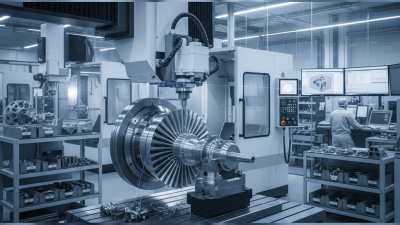
When selecting a 3 axis machine, understanding the basics is crucial. These machines are predominantly used for milling, drilling, and cutting. They operate on three primary axes: X, Y, and Z. The movement of these axes allows for complex geometries to be created with precision. Industry reports reveal that the global CNC machine market is expected to reach $100 billion by 2025, fueled by advances in automation and manufacturing techniques.
A notable concern is that not all 3 axis machines are created equal. While some may excel in speed, they might fall short on accuracy, especially with intricate designs. The 2022 Manufacturing Technology Report indicates that nearly 30% of manufacturers encountered issues with machine reliability, pointing to the need for careful evaluation before investing. Users should consider factors like spindle speed, tool change time, and operational software integration. Each aspect plays a significant role in machine performance.
Understanding your specific needs is vital. Are you producing large batches or custom parts? Do you require high-speed machining or exact tolerances? Analyzing your requirements reveals potential weaknesses. Depending on the answers, you may find a machine that isn't quite the fit. What works for one application might not work for another, highlighting the importance of thorough research.
Identifying Your Specific Needs and Applications
Identifying your specific needs is crucial when selecting a 3-axis machine. Consider the types of materials you will be working with. Wood, plastic, and metal all require different cutting speeds and tools. If you primarily work with soft materials, a machine with lower power may suffice. However, for harder materials, opt for a more robust option. This decision impacts both performance and longevity.
Think about the complexity of the projects you plan to execute. Are you creating intricate designs or simple cuts? Machines with advanced features like CNC capabilities enable complex shapes. Yet, these features may increase the learning curve. Reflect on your skill level and training available for the equipment.
Space and budget constraints also play a vital role. A compact machine may fit better in smaller workshops but could limit future projects. Balance your budget against potential growth. Invest in quality, but be wary of overspending on features you might not use. Understanding these factors helps ensure that your chosen machine meets both current and future needs.
Key Features to Consider When Selecting 3 Axis Machines
Selecting the right 3-axis machine involves careful consideration of key features. Precision is vital. According to a report by the International Manufacturing Research Organization, machines with a repeatability of ±0.01 mm significantly increase production efficiency. This level of accuracy can drastically reduce material waste and improve the final product quality.
Another important factor is the machine's load capacity. Many facilities often overlook this. The American Society of Tool Engineers indicates that machines should be capable of handling workpieces that can weigh up to 500 kg. If a machine cannot accommodate heavier loads, it may limit operational flexibility.
Software compatibility is equally crucial. Advanced control systems enhance usability but can complicate training. Research shows that 75% of users prefer systems that support user-friendly interfaces and robust online support. Choosing a machine that meets the needs of your workforce is essential for long-term productivity. Always seek machines that offer scalability for future growth. Consider how your business may evolve. This foresight can guide you in making a more informed decision.
How to Choose the Best 3 Axis Machines for Your Needs? - Key Features to Consider When Selecting 3 Axis Machines
| Feature |
Description |
Importance Level |
| Rigidity |
Stability during operation to ensure precision and accuracy. |
High |
| Motor Power |
The power of the motors affects speed and cutting capability. |
High |
| Axis Travel Length |
Defines the maximum dimensions of the workpiece that can be machined. |
Medium |
| Control System |
Quality of the control software impacts usability and functionality. |
High |
| Speed |
The speed of the spindle and feed rate influence production efficiency. |
Medium |
| Maintenance Requirements |
Ease of maintenance can reduce downtime and operational costs. |
Medium |
| Software Compatibility |
Compatibility with CAD/CAM software can enhance workflow. |
High |
| Size and Weight |
Affects installation space and transport logistics. |
Low |
Comparing Different Brands and Models on the Market
When exploring the market for 3-axis machines, it's essential to compare various brands and models. Not all machines are created equal. Some specialize in precision, while others focus on versatility. This disparity can impact your project outcomes in significant ways.
User reviews can provide insight into reliability. Check for consistent feedback about performance. A pattern in reviews may indicate quality or recurring issues. It's helpful to identify models that have stood the test of time. Longevity often implies trustworthiness. However, newer models might offer innovative features. Balancing tradition with new tech is vital.
Consider your specific needs before purchasing. Some machines excel in speed, while others prioritize accuracy. Reflect on what matters most for your projects. Don’t get swayed by flashy marketing. Instead, focus on features that align with your goals. Ultimately, the right choice hinges on a careful examination of performance and utility.
Comparison of 3 Axis Machines Based on Key Features
Evaluating Budget and Cost-Effectiveness of Your Options
When selecting a 3-axis machine, evaluating your budget is crucial. Determine how much you can invest upfront. Consider not just the purchase cost, but also maintenance and operational expenses. A cheaper machine might seem appealing initially, but hidden costs can accumulate quickly.
Research various options to find the best fit for your financial situation.
Cost-effectiveness is more than just a price tag. Analyze the machine’s capabilities against your needs. For example, examine the materials you'll work with and the desired precision. A machine that excels in performance may reduce production time, ultimately saving costs.
Reflect on your workflow and how a machine can enhance it, rather than simply opting for the lowest price.
Remember, not all features are essential for your work. Sometimes, more expensive machines come with unnecessary add-ons. Being clear about your requirements helps avoid overspending.
Take time to read user reviews and seek expert opinions. This deeper evaluation might reveal machines that align with your goals and budget better than you initially thought.