2026 How to Choose the Best Excitech CNC Router for Your Needs?
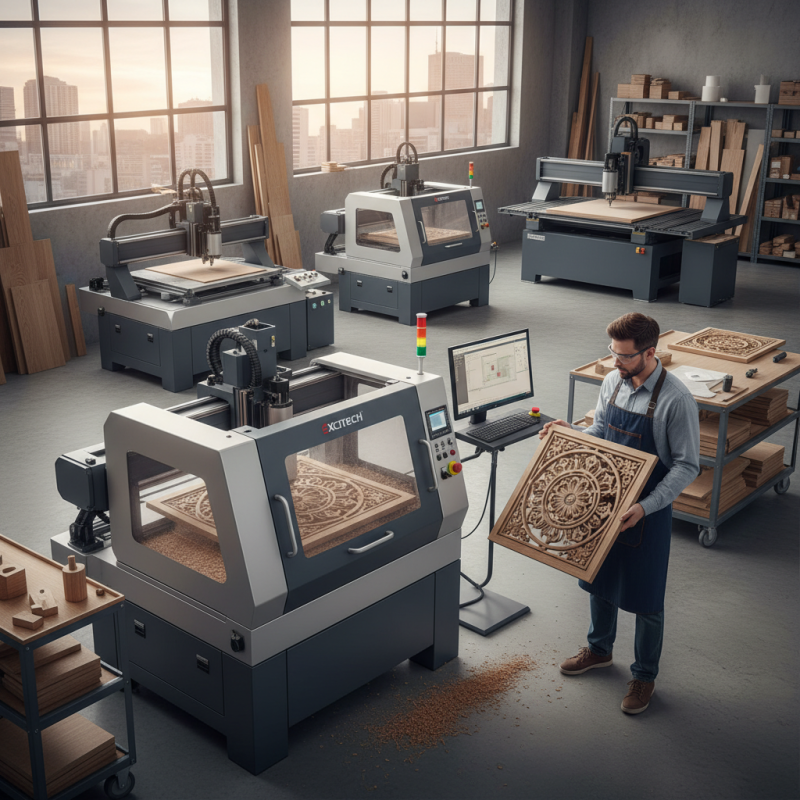
Choosing the right Excitech CNC Router can greatly impact your projects. This machine combines precision, versatility, and ease of use. Understanding your needs is essential in making an informed decision.
Different models offer varying specifications and features. Some are designed for intricate detail, while others focus on speed and efficiency. Knowing what you most value in a CNC router is important. Review your project types, materials, and budget carefully.
Consider durability and support options as well. The best Excitech CNC Router should last for years and come with reliable customer service. This investment can elevate your craftsmanship significantly. Avoid rushing this decision; it deserves thoughtful consideration. Your projects are worth it.
Understanding the Different Types of Excitech CNC Routers Available
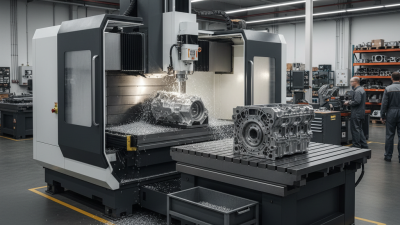
When choosing an Excitech CNC router, it's crucial to understand the various types available. Each type serves different purposes. For instance, a wood CNC router is ideal for soft materials like plywood and MDF. In contrast, metal CNC routers are engineered for harder materials, delivering precision and efficiency.
Tips for selection: Assess your primary material. If you're working with wood, a router with a higher RPM may be beneficial. For metal, consider a machine designed with robust parts to withstand the material properties.
Recent industry reports suggest that the CNC router market is expected to grow tremendously, with significant demand for custom and bespoke designs. Innovating for different applications means options like the hybrid CNC router gain popularity. These machines can manage both wood and metal workloads, making them versatile in workshops.
Yet, not all models suit every need. It's essential to evaluate your production goals. A powerful machine may not be cost-effective for small projects. Objective analysis of your needs can prevent future regrets over unused capabilities. Always weigh functionality against budget constraints for an informed decision.
Comparison of Different Types of CNC Routers Available
Key Features to Consider When Selecting an Excitech CNC Router
When choosing an Excitech CNC router, several key features should be carefully evaluated. The spindle power is crucial. A higher spindle power allows for efficient cutting of various materials. Data indicates that CNC routers with a minimum of 2.2 kW spindle power can handle hardwoods and metals effectively. Another important feature is the machining area size. Depending on the type of projects, users may require a larger work area. This aspect greatly influences productivity.
Cutting speed is another factor to consider. Reports suggest that routers with adjustable speeds provide better control over different materials. High-speed routers can improve efficiency, but they need to be matched with suitable feed rates. Users may need to experiment with settings to find the optimal balance. This often requires testing and adjustments, emphasizing the importance of user experience.
Precision is essential for quality output. Look for routers that support high-resolution stepper motors or servo motors. Industry standards show that precision rates of less than 0.1 mm are desirable for detailed work. However, achieving such accuracy might demand more rigorous setup and calibration processes, which can be a learning curve for users. Remember, every feature comes with pros and cons, and finding the right fit is key to successful operations.
2026 How to Choose the Best CNC Router for Your Needs? - Key Features to Consider When Selecting a CNC Router
| Feature |
Description |
Importance Level |
| Cutting Area |
The maximum size of the material that can be processed. |
High |
| Precision |
The accuracy of the cuts and shapes produced by the router. |
High |
| Motor Power |
The power of the motors that drive the cutting tools. |
Medium |
| Speed |
The speed at which the router can operate. |
Medium |
| Material Compatibility |
Types of materials the router can work with (wood, metal, etc). |
High |
| Software Compatibility |
Compatibility with design software for ease of operation. |
High |
| Ease of Use |
How user-friendly the router and its software are. |
Medium |
| Price |
The cost of the CNC router. |
High |
| Support and Warranty |
Availability of customer support and warranty options. |
Medium |
Assessing Your Specific Needs for CNC Routing Projects
Choosing the right CNC router involves understanding your specific needs. Start with the materials you plan to work on. Wood, acrylic, and metal each require different capabilities and features. Some routers excel with soft woods while others can handle harder materials effortlessly. Identify what your primary projects will be.
Think about the size of your workspace. Some CNC routers are compact and fit well in small areas, while others need more room. A larger router can accommodate bigger projects but may be more challenging to set up. Evaluate your environment. Will your machine be relocated often? Assess the power requirements too. If your workshop lacks sufficient power, your options may be limited.
Consider the intricacies of your projects. Will you perform simple cuts or intricate designs? Different routers offer various levels of precision and complexity. A skilled operator may adjust settings differently from a novice. Reflect on your own experience level. Can you troubleshoot minor issues? If not, choose a machine with robust support. Ultimately, mastering the art of routing involves both the right tool and the ability to learn from challenges encountered along the way.
Budgeting and Cost Considerations for an Excitech CNC Router
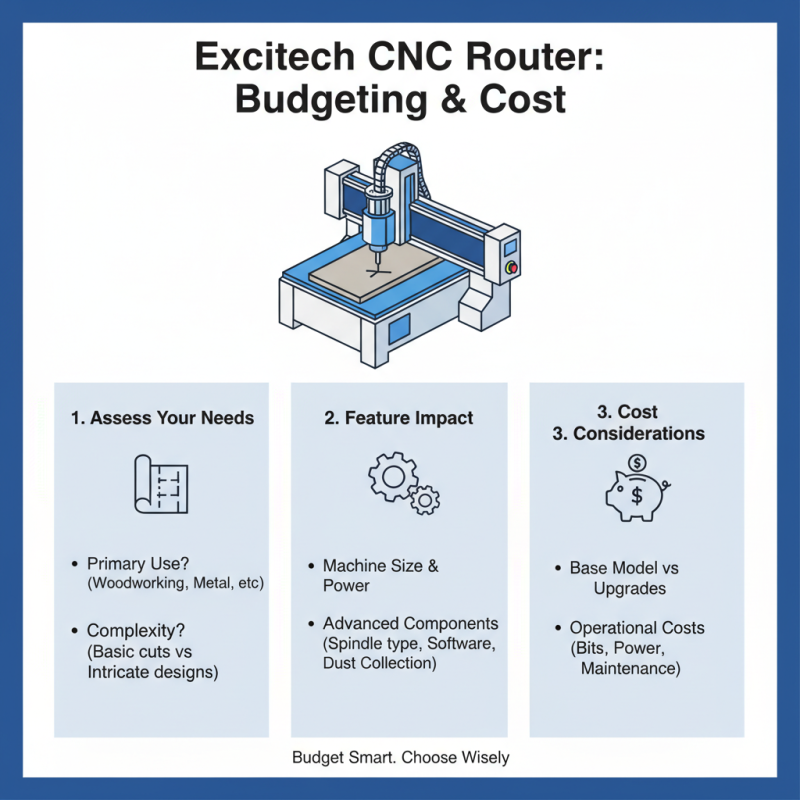
When considering an Excitech CNC router, budgeting is essential. Start by assessing your requirements. What will you primarily use the router for? Different applications may require varying features that can significantly impact cost. A basic model might suffice for small woodworking projects, but more advanced features are necessary for intricate designs.
Costs can escalate quickly. The initial purchase price is just one aspect. Factor in ongoing expenses like maintenance, tooling, and software. Research how these costs align with your budget. Are you prepared for unexpected repairs? Some users share experiences of unplanned expenses that hinder their projects. Understanding this can help you allocate funds wisely.
It’s also important to explore financing options. Some companies offer payment plans, making it easier to manage expenses. But be mindful of interest rates; they can add to the total cost. Gathering information from trusted sources provides a clearer picture. Engage with communities to learn from their experiences and refine your budget accordingly. This approach enhances reliability and gives you confidence in your investment.
Evaluating Customer Reviews and Expert Opinions on Excitech Models
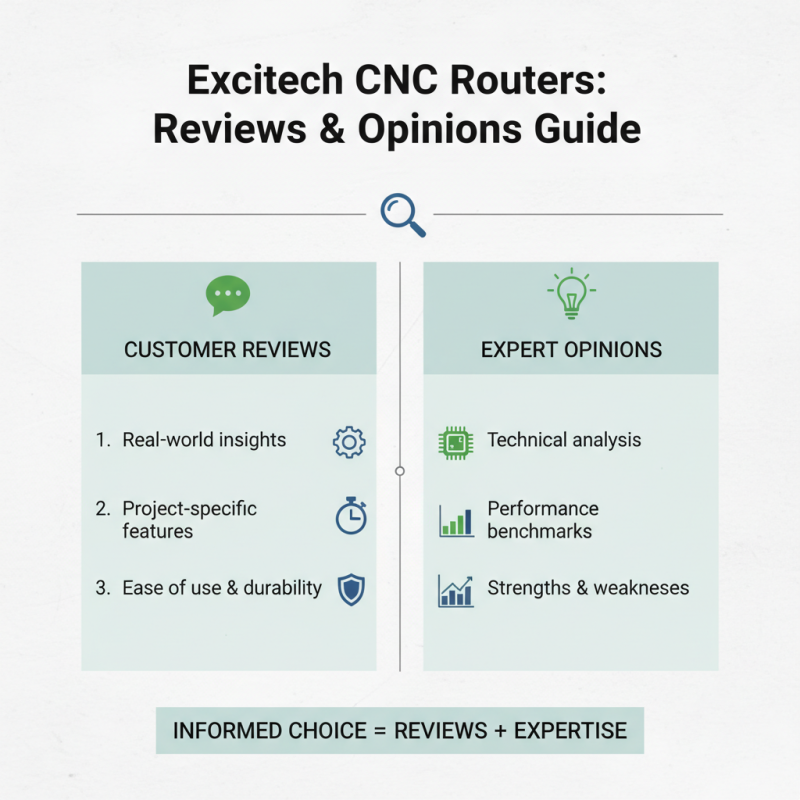
When choosing a CNC router, customer reviews and expert opinions are invaluable. They offer insights from fellow users who have tackled similar projects. Look for reviews that highlight specific features and performance. Pay attention to comments about ease of use and durability. Real-world experiences often reveal strengths and weaknesses that specifications may overlook.
Experts provide another layer of perspective. Their evaluations can guide you through technical aspects. They often break down performance metrics, enabling a clearer comparison. Reviews can also highlight common issues such as maintenance challenges or software compatibility. Evaluating these opinions helps in making informed decisions. However, opinions can vary widely, so it is essential to weigh multiple sources.
Not every review will resonate with your needs. Some may emphasize advanced features that are unnecessary for beginners. Conversely, a user might overlook critical aspects due to personal bias. Take the time to reflect on different viewpoints. These reflections will help you find a model that truly fits your requirements. Finding a balance between customer feedback and expert analysis will lead you to a suitable choice.