How to Choose the Best 3 Axis Machines for Your Projects?
In the rapidly evolving world of manufacturing, selecting the right 3 Axis Machines is crucial for project success. Industry reports indicate that demand for precision machining tools has increased by 25% over the past two years, driven by advancements in technology and a surge in custom projects. “The choice of machinery can make or break a project,” says John Smith, a leading expert in precision machining with over 20 years of industry experience.
3 Axis Machines provide versatility for manufacturers, allowing for complex designs with relative ease. However, not all machines are created equal. Many projects suffer from insufficient research into machine specifications, leading to suboptimal performance. It's essential to consider factors such as speed, precision, and adaptability when making a choice. Experts recommend assessing your specific project needs first, as this can reveal unexpected challenges.
Understanding the nuances of various models is vital. Simple mistakes, like overlooking software compatibility, can lead to significant setbacks. As technology continues to advance, what worked in the past may not satisfy today's standards. Balancing between cost and functionality remains a challenge for many manufacturers, necessitating careful reflection on each decision. Making an informed choice on 3 Axis Machines can ultimately define the success of your project.
Understanding the Basics of 3 Axis Machines
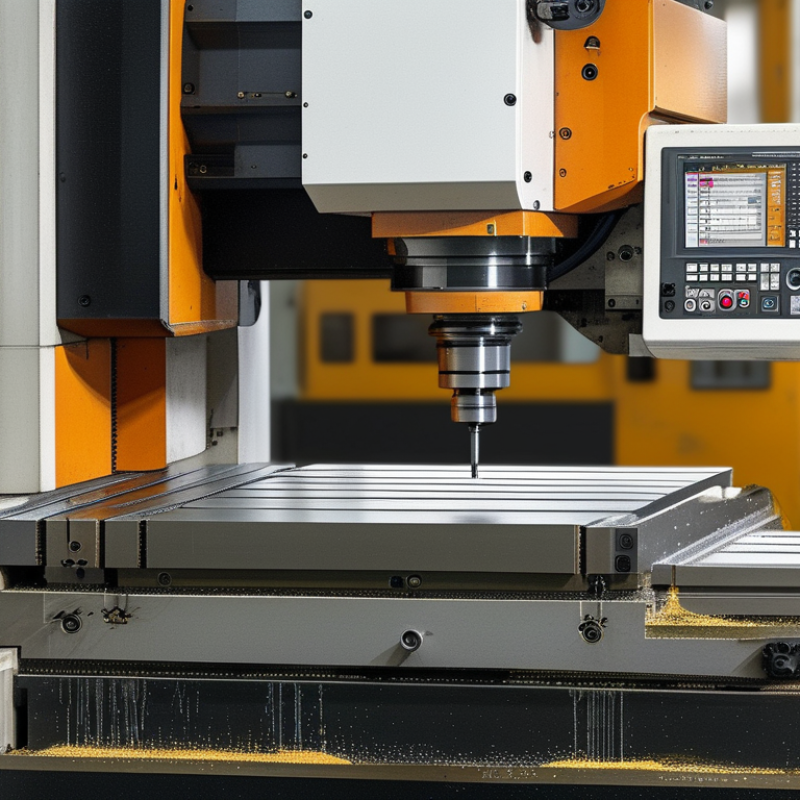
When exploring the world of 3-axis machines, understanding their fundamentals is crucial. These machines operate on three linear axes — X, Y, and Z. This setup allows for precise movement in multiple directions. According to the International Federation of Robotics, the demand for 3-axis CNC machines is projected to grow by 11% annually. This growth highlights their significance in manufacturing and prototyping.
Tips: Start by assessing the materials you'll work with. Different machines excel with various materials.
3-axis machines are versatile but often come with limitations. Their ability to create complex geometries is less than 5-axis machines. This can restrict design options. Recognizing the intricacies of these machines is vital. Data from Modern Machine Shop indicates that over 60% of manufacturers consider ease of use when selecting a machine.
Tips: Consider the software compatibility. The right software can significantly enhance precision.
Investing in a reliable 3-axis machine requires balancing capabilities and cost. The right choice depends on your specific needs. Although many machines offer similar specifications, their performance can vary. Make sure to consult user reviews and expert recommendations to make well-informed decisions.
How to Choose the Best 3 Axis Machines for Your Projects?
| Feature |
Importance |
Specifications |
Price Range |
| Cutting Speed |
High |
1000 - 2000 mm/min |
$2,000 - $5,000 |
| Work Area Size |
Medium |
600 x 400 mm |
$1,500 - $3,500 |
| Stepping Motor Type |
High |
NEMA 17 |
$200 - $500 |
| Software Compatibility |
High |
Mach3, LinuxCNC |
N/A |
| Material Types |
Medium |
Wood, Plastics, Aluminum |
N/A |
Key Features to Consider When Choosing 3 Axis Machines
When selecting a 3-axis machine, the most important features should drive your decision. Look closely at the machine's build quality. A solid frame provides stability during operation. This ensures precise cuts and consistent results. Additionally, consider the spindle speed. Higher speed can enhance efficiency and the range of materials you can work with.
Another critical aspect is the machine's ease of use. A user-friendly interface can save time, especially for beginners. Interface layout, programming capabilities, and support resources are essential. Don’t overlook the machine’s maintenance requirements. A dependable machine may still require regular upkeep. Assessing maintenance can inform your long-term reliability.
Lastly, think about your project's specific needs. Will you work with metals, wood, or composites? The material type influences the choice of machine. Reflect on your current skills and future projects. A more advanced machine might be appealing but ensure you can manage its complexity. Balancing your aspirations with practical ability is vital for success.
Assessing Your Project Needs for 3 Axis Machines
When selecting a 3 axis machine for your projects, understanding your specific needs is vital. Start by considering the materials you will work with. Different machines excel at cutting wood, metal, or plastic. Each material requires unique settings.
Analyze the thickness and density of materials. This will affect the machine’s spindle strength and cutting speed.
Next, think about the complexity of your designs. If your project involves intricate patterns, a machine with higher precision is required. The resolution of the machine's motion system plays a crucial role. Many machines can handle basic tasks but struggle with fine details. Pay attention to the machine's tolerance levels. It’s important to balance your budget and quality. Sometimes, a cheaper model may not meet your long-term needs.
Consider your workspace as well. Some machines require more space than others. Evaluate the size of your projects and the machine's footprint. Portability may also be a factor. A heavier machine might offer stability but can limit your workflow. Reflect on how frequently you plan to relocate the machine. These factors can significantly impact your overall experience and project outcomes.
Comparing Different Brands of 3 Axis Machines
Choosing the right 3 axis machine can be a challenging task. Different brands offer various features that cater to distinct needs. When comparing options, consider the build quality and precision. These factors significantly influence the machine's performance and longevity.
Some brands excel in user-friendly interfaces, simplifying operation for beginners. Others focus on advanced technologies, providing enhanced capabilities for seasoned users. It's important to assess what level of expertise you have before making a decision. Reading user reviews can provide insights into real-world performance.
Price is also a crucial factor. Some machines may offer great specifications but come with a hefty price tag. Investigation into warranty options can reveal the company's confidence in its product. Assessing your project goals will guide you to the most suitable machine. Make a list of your specific needs to narrow down your choices.
Budget Considerations for Purchasing 3 Axis Machines
When considering the purchase of 3-axis machines, budget is a critical factor. A recent industry report highlights that over 50% of small businesses prioritize cost when selecting machinery. The average price range for decent models is between $5,000 and $30,000. This variance depends on machine capabilities and features. Evaluating these aspects can significantly influence your budget allocation.
It's essential to assess ongoing operational costs. Maintenance, software updates, and consumables can add up over time. For instance, a study indicates that maintenance costs can constitute up to 15% of the machine's initial price annually. Keeping these figures in mind helps in projecting the total budget more accurately.
Tip: Always set aside a contingency fund. This helps manage unexpected expenses related to machine upkeep and repairs.
Additionally, consider financing options. Many manufacturers offer leasing or installment plans which may alleviate upfront costs. However, be wary of hidden fees. Not all financing options give clear initial cost visibility.
Tip: Review all documentation carefully before committing. Misunderstandings in contracts can lead to financial strain down the line.