How to Choose the Best 4 Axis Machines for Your Business?
Choosing the right 4 Axis Machines for your business can be challenging. With numerous options available, it’s vital to understand what suits your needs. Expert John Smith, a leading figure in the automation industry, says, “Not all 4 Axis Machines are created equal; the right choice can transform your workflow.”
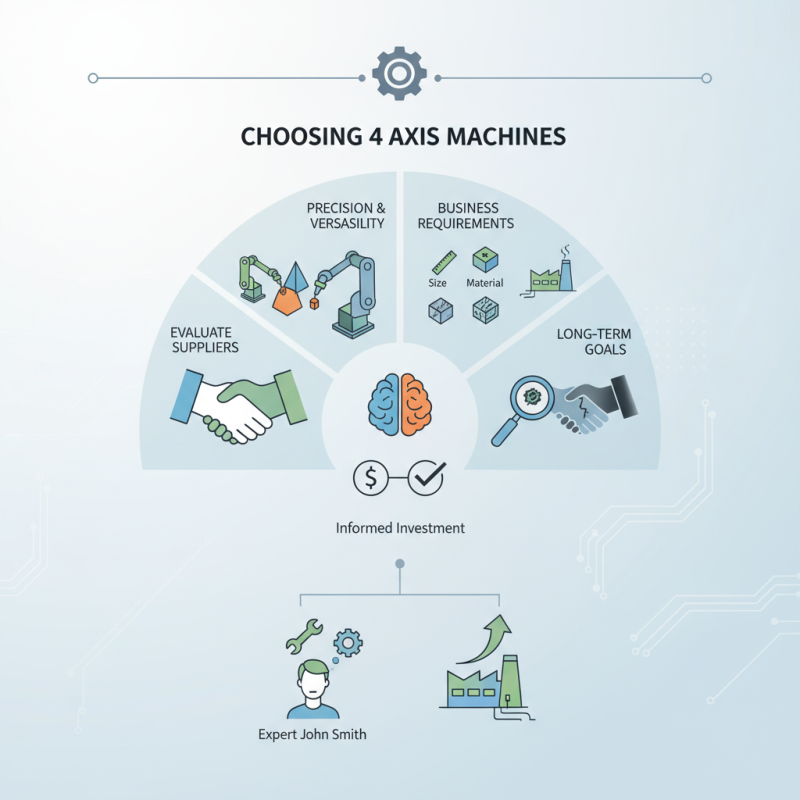
When it comes to 4 Axis Machines, precision and versatility are key. These machines allow for complex shapes and intricate designs. Businesses must consider their specific requirements. For instance, size, material, and production volume play pivotal roles.
Evaluating various suppliers is crucial. Not every vendor offers the same quality or support. Look for those with a strong reputation. A machine may appear perfect at first glance but can come with hidden challenges. Reflecting on your long-term goals can help identify the best fit. Making an informed choice is essential to invest wisely in 4 Axis Machines.
Factors to Consider When Selecting a 4 Axis Machine for Your Business
When selecting a 4-axis machine for your business, several critical factors come into play. First, consider the size and complexity of the parts you need to produce. A larger machine can handle bigger projects, but the space and budget must align. Think about the materials you'll be working with, too. Different machines have different capabilities regarding material types, which can influence your production quality.
Tips: Assess the machine's versatility. A machine that can handle various materials may save you money in the long run.
Next, pay attention to the machine's precision and speed. High precision is vital for intricate designs and ultimately affects your end product’s quality. Faster machines increase productivity but may lack precision. Balancing speed and accuracy is essential for meeting your business goals.
Tips: Review customer feedback and industry reviews to gauge performance expectations before purchasing.
Finally, consider support and maintenance. A reliable machine with easy access to support can save you from costly downtimes. Investigate the manufacturer's reputation. Reliable vendors often provide comprehensive service plans.
Tips: Establish a plan for regular maintenance to ensure long-term performance and reliability.
Understanding the Different Types of 4 Axis Machines Available in the Market
When exploring the market for 4 axis machines, it’s essential to understand the different types available. These machines enhance machining capabilities by adding an extra rotational axis. This enables more complex designs and improved precision. Common types include vertical and horizontal machining centers, which cater to different project needs. Each type has unique specifications and operational benefits.
Tips for choosing the right machine include understanding your production requirements. Analyze the complexity of your projects. If you deal with intricate designs, opt for a machine with superior rotational capabilities. Don't underestimate the importance of machine size. Ensure it fits in your workspace and aligns with your production volume.
Evaluate the control systems of each machine. User-friendly interfaces can significantly reduce training time. While advanced features are appealing, they can also complicate operations. It's crucial to find a balance between advanced technology and usability. Take time to reflect on your specific needs before making a choice. Each decision will impact your business's efficiency and output quality.
How to Choose the Best 4 Axis Machines for Your Business?
| Machine Type |
Axis Configuration |
Max Workpiece Size |
Spindle Speed |
Price Range |
| Vertical 4 Axis Mill |
XYZ + A |
600 x 400 x 400 mm |
10,000 RPM |
$30,000 - $50,000 |
| Horizontal 4 Axis Mill |
XYZ + A |
800 x 600 x 500 mm |
12,000 RPM |
$40,000 - $70,000 |
| Multi-Purpose 4 Axis Machine |
XYZ + A + B |
500 x 500 x 500 mm |
15,000 RPM |
$50,000 - $90,000 |
| Entry-Level 4 Axis Mill |
XYZ + A |
400 x 300 x 300 mm |
8,000 RPM |
$15,000 - $25,000 |
Analyzing Performance Metrics: Speed, Accuracy, and Durability in 4 Axis Machines
When selecting a 4-axis machine, understanding performance metrics is vital. Speed is a crucial factor. According to recent industry reports, machines that operate at high speeds can complete tasks in significantly less time. For instance, machines capable of 1000 RPM can increase overall production rates by up to 30%. However, high speed shouldn’t compromise quality.
Accuracy is another key metric. Precision is critical in machining processes. Reports show that a 4-axis machine with an accuracy of ±0.005 mm ensures better part quality. This precision can reduce material waste and rework—a substantial cost saving for businesses. Many facilities struggle with achieving consistent accuracy, which can reflect poorly on their manufacturing capabilities.
Durability is also a significant element in the decision-making process. Data indicates that machines built with robust components can last longer under heavy use. Businesses must assess their workload and the machine's durability. A machine showing wear early on is not only a financial burden but may also require more frequent repairs. Striking a balance between these metrics can be challenging but is essential for sustainable operations.
Performance Metrics of 4 Axis Machines
Cost-Benefit Analysis: Investing in 4 Axis Machines for Long-Term Gain
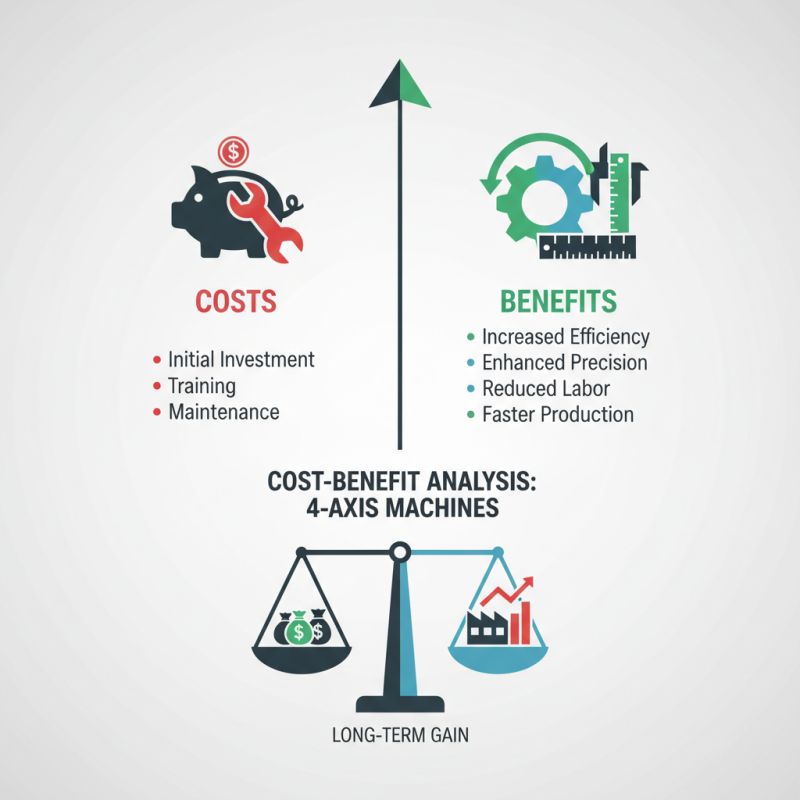
When considering a 4-axis machine, a cost-benefit analysis is crucial. These machines can streamline production and enhance precision. But the initial investment may seem daunting. Before diving in, analyze your specific needs. Identify the tasks you plan to automate. Will the machine improve efficiency?
Long-term gains are often overlooked. A reliable 4-axis machine can significantly reduce labor costs. It minimizes human error, leading to consistent output quality. However, consider the learning curve involved. Training staff might incur additional costs. Ensure that these expenses are factored into your assessment.
Evaluate the machine’s maintenance requirements. Some might need frequent service, while others have minimal upkeep. A higher maintenance cost can erode savings over time. Think about your production volume too. A machine that is underused won’t yield solid gains. Flexibility in your operation is key. A well-chosen 4-axis machine can be a game-changer for your business.
Assessing Technical Support and Maintenance Needs for Your 4 Axis Machine
When considering a 4-axis machine, maintenance and technical support are crucial factors. A study by the International Federation of Robotics indicates that consistent technical support can enhance machine lifespan by up to 30%. Regular maintenance not only reduces downtime but also improves productivity. A machine that operates efficiently can yield more finished products each day.
It's important to evaluate the supplier's support services. A significant 72% of manufacturers report that access to technical support is a priority during their selection process. This ensures that if issues arise, solutions can be implemented swiftly. A well-defined maintenance schedule should be in place to avoid unplanned stoppages. Neglecting this aspect can lead to costly repairs; studies show that emergency repairs can cost businesses three times more than planned maintenance efforts.
Additionally, consider the training provided for operating the machine. A skilled operator can troubleshoot minor issues, reducing reliance on external support. Incentivizing in-house expertise can lead to a stronger operational foundation. However, not all companies have the resources to create robust training programs. Growth potential often hinges on addressing these support and maintenance needs effectively.