How to Choose the Best China Brand CNC Router?

How to Choose the Best China Brand CNC Router?

Choosing the Best China Brand Cnc Router requires more than comparing prices and motor power. A dependable machine must match the materials, workload, workspace, and operator skills. In real workshops, small details often decide productivity. Linear rails, spindle cooling, dust collection, and controller stability deserve careful attention.

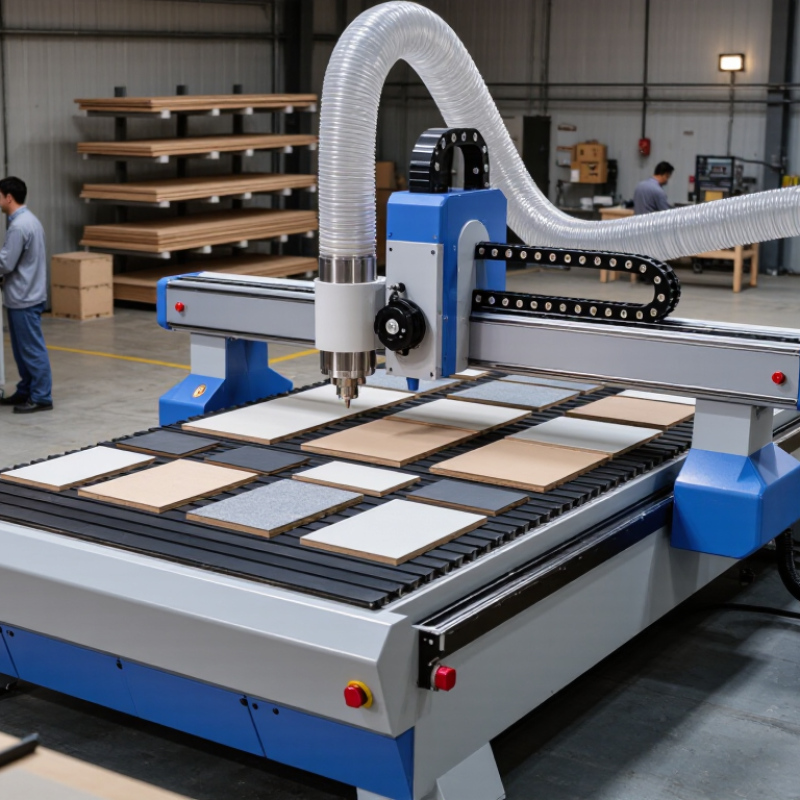
A practical evaluation should begin with cutting samples. Ask the manufacturer to process your actual plywood, acrylic, MDF, stone, or aluminum. Inspect edge quality, cutting speed, vibration, and repeated positioning accuracy. Confirm spindle specifications, working dimensions, vacuum-table performance, software compatibility, and electrical requirements. Request documented test results rather than relying only on attractive catalog images.

Supplier support also matters. Review installation guidance, spare-parts availability, warranty terms, training, and response times. Verify the company’s manufacturing experience through customer references, factory evidence, and independent business records. Certifications can help, but only when their scope and authenticity are checked. Safety guards, emergency stops, dust control, and compliant electrical design should never be treated as optional.

No single model fits every workshop. A high-powered router may be excessive for sign making, while a light machine may struggle with continuous cabinet production. This is where buyers often misjudge the decision. I would also question any supplier promising perfect accuracy without explaining testing conditions. A reliable choice comes from comparing measurable performance, service capability, and total ownership cost. Careful questions may take longer, but they can prevent expensive downtime and disappointing results.
How to Choose the Best China Brand CNC Router?

What Defines a Reliable China Brand CNC Router?

A reliable China brand CNC router should prove its performance before you place a large order. Do not judge it by appearance or price alone. Ask for cutting samples using your actual material, thickness, and design files. Inspect the edges, corners, dust, and repeated accuracy. A clean first sample is useful, but three repeated tests reveal more.

The machine should have a rigid welded frame, stable linear guides, precise drive systems, and a well-matched spindle. Request inspection records for alignment, electrical testing, and finished-machine accuracy. Clear manuals, spare-parts lists, and remote support also matter.

I once focused too much on spindle power and overlooked software compatibility. That mistake created delays. A reliable supplier explains limitations instead of promising perfect results. Check its factory experience, technician qualifications, export history, and response time. Independent customer references can add useful evidence.

Tips: Compare written specifications, not sales claims. Ask how accuracy is measured and under which conditions. Confirm warranty coverage, installation help, training, and service response times. Examine the control cabinet, cable protection, emergency stop, and dust collection design. These details are easy to miss during a video call. If possible, arrange a third-party inspection before shipment. It costs extra, but discovering poor alignment after delivery costs more. I still question whether every advertised feature is necessary. A simpler router with dependable support may serve better than a feature-heavy machine that nobody can maintain.

How to Match CNC Router Types With Your Production Needs

How to Match CNC Router Types With Your Production Needs

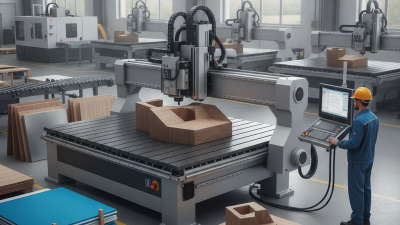
Choosing a CNC router starts with the product, not the machine catalogue. A three-axis flatbed router suits plywood, MDF, acrylic, and aluminum sheet work. It handles signs, cabinets, panels, and repeated 2D profiles efficiently. For cylindrical furniture legs or carved columns, a fourth-axis rotary router is more suitable. It reduces manual repositioning and improves alignment.

Complex molds, reliefs, and sculpted furniture may justify a five-axis router. However, extra axes increase programming demands, maintenance needs, and operator training. According to Grand View Research, the global CNC machine market was valued at about US$83 billion in 2023. This growth reflects wider automation, but it does not mean every workshop needs advanced motion control. Sometimes, a reliable three-axis machine produces better returns.

Match the router to production volume and material behavior. High-volume sheet cutting benefits from an automatic tool changer, vacuum table, and effective dust extraction. Small workshops may prefer a compact machine with simpler controls and lower power consumption. Check spindle speed, working envelope, repeatability, and service response before comparing prices. The International Federation of Robotics reported 541,302 industrial robot installations in 2023, showing strong automation demand. Still, automation can expose weak workflows. I have seen buyers choose a larger bed, then waste space and money because their material sizes never required it. Test samples first. Measure actual cycle time. Include setup mistakes.

Which Technical Specifications Matter Most When Comparing Models?

How to Choose the Best China Brand CNC Router?

When comparing CNC routers, technical specifications matter more than attractive photos. Start with spindle power, speed range, and torque. A 3.5 kW spindle may suit plywood and plastics, while hardwood often needs stronger cutting capacity. Check the working area against your real sheet sizes. A larger table is not always better. It may reduce rigidity and increase workshop space.

I once focused too much on advertised cutting speed. That was a mistake. Acceleration, frame stiffness, and servo response often affect production quality more. Review positioning accuracy and repeatability separately. A machine can move quickly but still produce inconsistent corners. Linear guides, ball screws, rack systems, and gantry construction deserve careful inspection. Ask for test samples using similar materials, tools, and cutting depths. Evidence is more reliable than promises.

Tips: Confirm the controller supports your preferred software. Check spindle cooling, dust extraction, emergency stops, and electrical protection. Ask about training, spare parts, and response times. Inspect the table surface and vacuum zones before ordering. These details seem small. They can decide daily efficiency. Also, calculate total operating cost, including tooling, maintenance, power, and installation. My own comparison sheets sometimes miss maintenance time, so I now record every adjustment required during testing.

How to Evaluate Manufacturer Quality, Support, and Certifications

Choosing a China-made CNC router requires more than comparing prices. Examine the manufacturer’s quality system, technical records, and production evidence. The ISO Survey 2022 reported 1,265,216 valid ISO 9001 certificates worldwide. Certification signals process control, but it does not guarantee cutting accuracy. Verify the certificate’s scope, factory address, expiry date, and issuing body.

Request a factory acceptance test using your materials and toolpaths. Check positioning accuracy and repeatability against ISO 230-2, not only promotional samples. Measure a test panel after several hours of operation. Inspect the gantry, linear guides, spindle cooling, electrical cabinet, and cable routing. Small details often reveal manufacturing discipline. I would also request calibration records and corrective-action reports. Some suppliers provide impressive documents but vague measurements. That deserves caution.

Support quality matters after installation. Ask who handles remote diagnosis, spare-part availability, software updates, and operator training. The International Federation of Robotics reported 276,288 industrial robots installed in China during 2023, representing 51% of global installations. This indicates strong manufacturing capacity, but it does not prove every router supplier offers dependable service. Test communication before purchasing. Send three technical questions and compare response speed, accuracy, and ownership. Also confirm electrical and safety compliance for your destination market. A polished website is not evidence. Real evidence is repeatable performance, traceable records, and help that remains available after payment.

How to Choose the Best China Brand CNC Router?

Evaluate manufacturer quality, technical support, and certifications before placing an order.

Manufacturer Quality

Request factory inspection records, machine accuracy results, component traceability, and a sample cutting test using your own materials.

Technical Support

Confirm installation guidance, operator training, spare-parts availability, software support, and a clearly defined response process.

Certifications

Check certificate numbers, issuing bodies, scope, validity, and whether the certificate applies to the exact model being quoted.

The chart shows historical milestones for widely recognized quality, environmental, occupational-safety, and European conformity frameworks. Certification dates do not by themselves prove machine performance or after-sales service quality.

How to Compare Total Cost, Warranty, and Long-Term Value

How to Choose the Best China Brand CNC Router?

The purchase price is only the visible part of CNC router ownership. Compare freight, installation, software, tooling, dust collection, training, energy, and spare parts. The 2024 Smart Manufacturing Survey reports that manufacturers still struggle to measure the financial impact of operational improvements. That warning matters. A low quotation can hide expensive setup work.

Build a five-year total-cost worksheet before requesting final offers. Include spindle replacement, vacuum-pump service, calibration, and operator training. Ask for expected component life, maintenance intervals, and hourly service rates. NIST MEP notes that unplanned downtime can cost manufacturers thousands of dollars per hour, depending on the process. Therefore, response time may matter more than a small purchase discount. A two-year warranty sounds strong, but check whether it covers labor, travel, freight, electrical parts, and software support. Some exclusions are easy to miss. I have seen cost comparisons fail because they ignored installation delays.

Tips: Request three written warranty examples. Ask who pays return freight. Confirm local technical support. Test sample cuts before payment. Record accuracy after eight hours of operation. Also compare training quality, not only training length. The ISO 230 series provides useful methods for checking machine-tool accuracy, but factory acceptance tests may still be incomplete. That is uncomfortable, yet realistic. Long-term value depends on repeatable output, available parts, stable software, and resale potential. A spreadsheet cannot predict every failure. It can expose weak assumptions.

How to Choose the Best China Brand CNC Router?

How to Compare Total Cost, Warranty, and Long-Term Value

Representative Five-Year Ownership Comparison for China-Made CNC Routers
Comparison Dimension Entry-Level Configuration Professional Configuration Industrial Configuration Why It Matters
Typical Working Area 1,300 × 2,500 mm 1,500 × 3,000 mm 2,000 × 3,000 mm Larger working areas support bigger sheets but increase shipping, floor-space, and maintenance costs.
Typical Spindle Power 3.2–4.5 kW 6–9 kW 9–12 kW Higher power can improve cutting capacity, but it also increases electrical consumption and tooling requirements.
Indicative Machine Price US$7,000–12,000 US$14,000–24,000 US$25,000–45,000 Compare equivalent specifications, including spindle, controller, vacuum table, tooling, and safety equipment.
Estimated Export Packing and Freight US$1,200–2,500 US$1,800–3,500 US$2,500–5,000 Freight varies by destination, shipping method, crate size, insurance, and seasonal transport rates.
Installation and Operator Training US$500–1,500 US$1,000–3,000 US$2,000–6,000 Remote setup may reduce cost, while on-site commissioning can shorten the learning curve and reduce setup errors.
Electrical and Workshop Preparation US$800–2,000 US$1,500–4,000 US$3,000–8,000 Budget for power supply, grounding, air supply, dust extraction, ventilation, and machine positioning.
Standard Warranty Coverage 12 months 12–24 months 12–24 months Check whether the warranty covers parts, labor, travel, shipping, spindle bearings, electronics, and exclusions.
Remote Technical Support Usually included during warranty Usually included during warranty Usually included, with optional priority support Response time, language availability, troubleshooting quality, and spare-parts access are more important than promises alone.
Common Annual Maintenance Budget US$700–1,500 US$1,200–2,500 US$2,000–4,500 Typical costs include lubrication, filters, collets, belts, sensors, electrical components, and preventative service.
Five-Year Maintenance Estimate US$3,500–7,500 US$6,000–12,500 US$10,000–22,500 Actual costs depend on operating hours, material hardness, dust control, maintenance discipline, and parts quality.
Estimated Five-Year Downtime Cost US$3,000–12,000 US$2,000–8,000 US$1,500–6,000 A better-supported machine may cost more initially but can reduce lost production and urgent repair expenses.
Estimated Five-Year Total Cost of Ownership US$15,500–37,000 US$26,300–55,000 US$44,000–91,500 Includes machine, freight, preparation, training, five-year maintenance, and an indicative downtime allowance.
Best Fit Low-volume workshops, education, prototypes, and occasional woodworking Sign shops, furniture production, cabinetry, and regular daily use High-volume production, demanding materials, and multiple-shift operation The best value is determined by production requirements rather than the lowest purchase price.
Long-Term Value Rating Moderate when utilization is low High when machine utilization and production volume justify the investment Consider productivity, resale value, serviceability, spare-parts availability, and upgrade options.
Calculation basis: The figures are representative planning ranges in U.S. dollars for China-made CNC routers commonly sold for export. They are not quotations from a specific company or brand. Final costs depend on configuration, destination, import duties, taxes, exchange rates, installation requirements, labor rates, operating hours, and material type.
Recommended purchasing practice: request a line-item quotation, written warranty terms, service-response commitments, spare-parts pricing, machine test videos, and a five-year ownership estimate before comparing offers.
WhatsApp Online Chat !