How to Choose the Best Nesting Machines for Your Needs?
Choosing the right nesting machines is crucial for optimizing production efficiency. According to a recent industry report by Smith Analytics, businesses can increase material utilization by up to 20% with the right machine. This showcases the importance of selecting nesting machines that align with project requirements.
Expert in the field, John Miller, states, "The right nesting machine can make a significant difference in your workflow and cost management." This highlights the need for understanding your specific needs. When evaluating nesting machines, consider factors like cutting speed, software compatibility, and material versatility. These elements directly impact how effectively you can handle various tasks.
Many companies underestimate the complexity of their requirements. What seems straightforward can become intricate with changing production demands. An informed choice can prevent costly mistakes and improve overall productivity. Thus, it's essential to prioritize thorough research and expert advice in the selection process.
Understanding Nesting Machines and Their Functionality
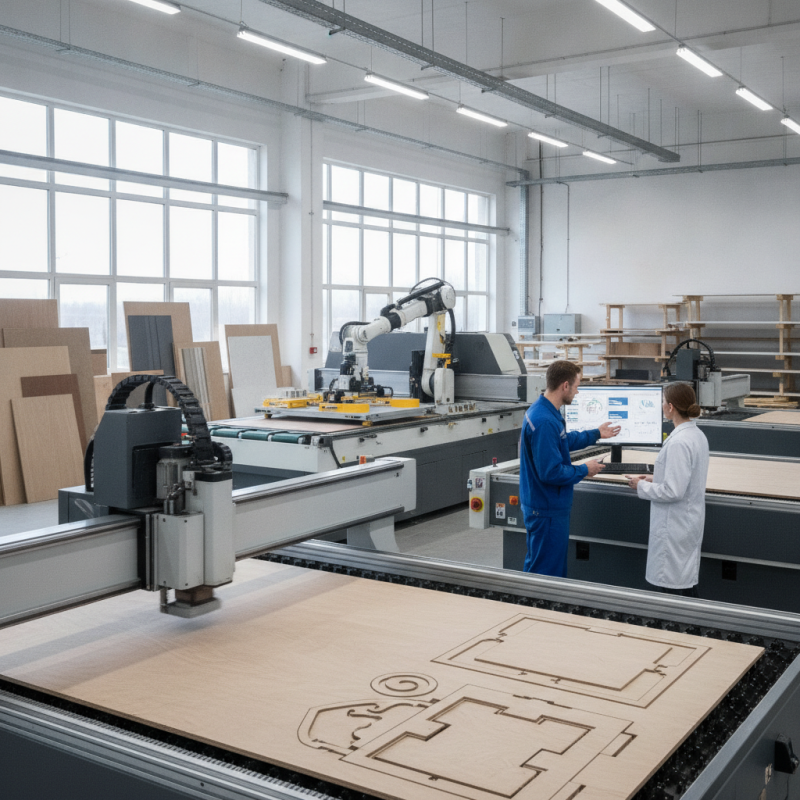
Nesting machines are essential tools in various industries, primarily for optimizing material usage in the cutting process. They automate the arrangement of patterns, minimizing waste. Reports indicate that effective nesting can reduce material costs by up to 30%, illustrating their importance in manufacturing.
Understanding how these machines function involves grasping their software's capabilities. Advanced algorithms analyze shapes and sizes, creating efficient layouts. Industry studies show that companies using automated nesting achieve better productivity rates. They often complete projects faster, reflecting the machines' operational efficiency.
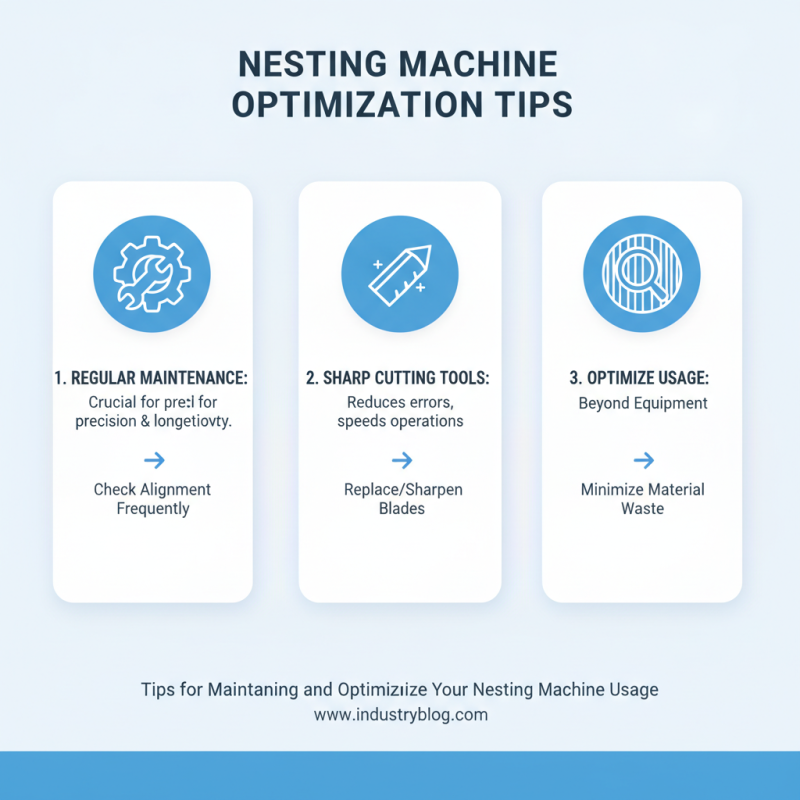
Tips: When choosing a nesting machine, consider software compatibility with your existing systems. Evaluate the types of materials you frequently use, as some machines handle specific characteristics better. Also, reflect on future needs; selecting a scalable solution can save costs down the line.
Identifying Your Specific Nesting Needs and Requirements
When selecting nesting machines, it's essential to identify your specific needs. Begin by assessing the type of materials you will be working with. Different machines handle various materials uniquely. Whether you're working with wood, metal, or plastic, ensure the machine suits your primary material.
Consider the production volume. How much do you need to produce daily? Higher volumes demand faster and more efficient machines. A slower machine may become a bottleneck, leading to production delays. Efficiency is crucial for maintaining a competitive edge in your field.
Tips: Evaluate the spatial requirements. Some nesting machines require substantial space. Check your workspace dimensions to avoid future issues. Additionally, review the technological features you might need. Automation and software compatibility are vital for streamlining operations.
Don't overlook after-sales support. Access to reliable service can make or break your experience. Machines may require upkeep or repairs, so a trustworthy support system is necessary for long-term success. Investing time in research can pay off significantly in achieving your nesting goals.
How to Choose the Best Nesting Machines for Your Needs?
| Feature |
Description |
Importance |
Example Applications |
| Material Compatibility |
Ability to efficiently process different materials like wood, plastic, or metal. |
High |
Furniture manufacturing, automotive parts production. |
| Cutting Precision |
Accuracy of the cuts made by the machine. |
Very High |
Architectural models, intricate designs. |
| Production Speed |
The rate at which the machine can produce nested parts. |
Medium |
High volume production runs. |
| Software Integration |
Compatibility with design software for seamless workflow. |
High |
CAD software, nesting optimization tools. |
| Ease of Use |
User-friendly interface and controls. |
Medium |
Training time and user adoption. |
| Cost Efficiency |
Total cost of ownership including maintenance and operation costs. |
High |
Small to medium-sized enterprises. |
Evaluating Key Features and Specifications of Nesting Machines
When selecting a nesting machine, assessing key features is crucial. Different tasks may require different specifications. Consider the machine's cutting capacity and precision. A higher cutting capacity means it can handle thicker materials. Precision affects the quality of outputs. Machines with advanced computer controls may offer better accuracy.
Tip: Always check the technical specifications before purchasing. Look for user reviews on reliability. These insights can save you from costly mistakes.
Another important aspect is the machine's ease of use. Some nesting machines come with intuitive interfaces. This can significantly reduce training time. User-friendly controls lead to better efficiency, driving productivity. Don't overlook the importance of customer service and support. A brand that offers excellent post-purchase support can be invaluable.
Tip: Research potential issues users faced with the machines. This can shed light on aspects you may need to consider. Understanding limitations allows for better planning and decision-making. A thoughtful approach to these evaluations ensures you choose a machine that aligns with your specific needs.
Comparing Different Brands and Models of Nesting Machines
When choosing a nesting machine, it's crucial to compare various brands and models. The industry has a wide range of options, and each has unique features. Data from the latest market reports indicate that nearly 65% of users prioritize accuracy and speed in their selection process. Machines that deliver these vital components often have customer satisfaction ratings above 85%.
Additionally, the cost of ownership plays a significant role in the decision. Reports show that maintenance costs can account for about 25% of total operational expenses. Choosing models known for reliability can minimize these ongoing costs. It's important to consider not just the purchase price, but also how design efficiency can impact long-term budgeting.
Innovative features such as automation and software compatibility can enhance productivity. However, some users report challenges in integration with existing systems. This highlights the need for careful evaluation of product specifications and user testimonials. In sum, while many machines offer similar capabilities, differentiating factors can significantly influence performance and overall satisfaction.