How to Choose the Right Routing Machines for Your Business Needs?
Choosing the right Routing Machines can significantly impact your production efficiency. In a recent report by Market Research Future, the global routing machine market is projected to grow at a CAGR of 5.4% from 2021 to 2027. This growth highlights the increasing need for businesses to invest wisely.
Understanding your unique requirements is essential. Not all routing machines are created equal. Some are better for high-volume operations, while others suit smaller businesses or specialized tasks. The complexity of your operations can make selecting the ideal machine challenging.
Consider factors like speed, precision, and material compatibility. Many businesses report underestimating these variables, leading to costly mistakes. A well-informed decision can save time and reduce waste. In the end, evaluating your specific needs is vital for making an effective choice in routing machines.
Understanding the Different Types of Routing Machines Available Today
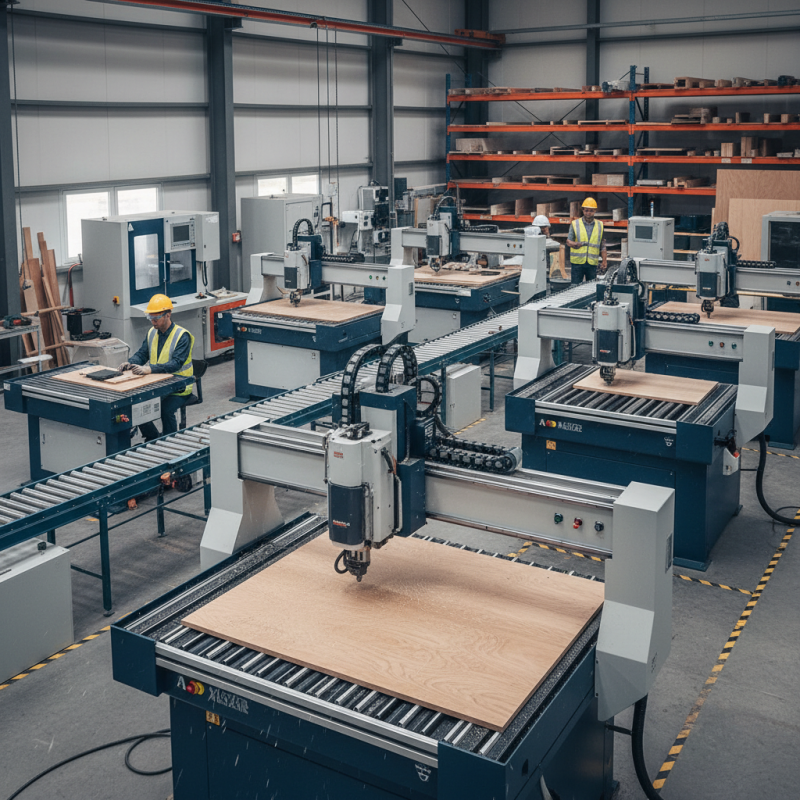
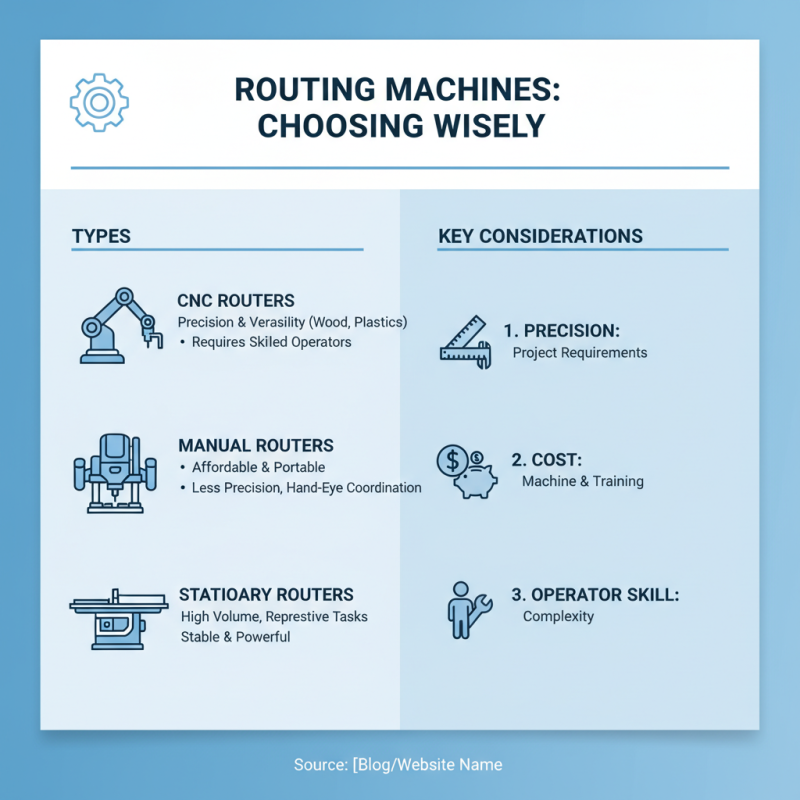
When selecting the right routing machines, it's crucial to understand the options available. There are several types of routing machines, each designed for specific tasks. CNC routers are popular. They offer precision and versatility, suitable for woodworking and plastics. However, they require skilled operators. Mismanagement can lead to costly mistakes.
Another type is the hand-held router. This portable option is great for small jobs. It's less intimidating than a CNC machine but demands a steady hand. Users often struggle with control, especially on detailed work. Weighing the pros and cons can be challenging.
Lastly, consider laser routers. They provide clean cuts and can handle various materials. Yet, they come with high energy requirements. Maintenance can be demanding. Evaluating your production needs is essential. Each machine has its strengths and weaknesses. A thorough understanding will guide your choice.
Evaluating Your Business Needs: Key Factors to Consider in Routing
When selecting routing machines, understanding your business needs is crucial. Start by assessing your production volume. How many products do you need to route daily? If it’s high, a robust machine is essential. For lower demands, you might opt for simpler models. Keep an eye on potential growth, too. A machine that meets today’s needs might not suffice tomorrow.
Quality and precision matter significantly. Consider the materials you work with. Some machines handle specific materials better than others. Evaluate whether your team has the expertise to operate advanced machinery or if simpler options are a better fit. Training costs and time can impact your decision.
Don’t overlook the maintenance aspect. Regular servicing is vital for machine longevity. Factor in downtime and costs that arise from repairs. Think about your budget, but also consider the long-term benefits of investing in reliable equipment. It's tempting to go for the cheaper option; however, this could lead to unforeseen issues. Always weigh your options carefully, and don’t be afraid to reflect on the complexities of your choice.
Comparative Analysis of Costs: Investment vs. Long-Term Savings
When considering routing machines for your business, a critical factor is cost analysis. According to industry reports, businesses can save up to 30% in operational costs by selecting the right machine. However, initial investments can be substantial. It's vital to weigh this upfront spending against potential long-term savings.
Investing in high-quality routing machines may seem steep. Yet, cheaper options often lead to higher maintenance costs. A study shows that businesses that invest in durable machines see a decrease in breakdowns by 40%. This not only reduces repair costs but also minimizes downtime.
Tips: Always calculate the total cost of ownership. This includes maintenance, energy consumption, and productivity losses. Compare these figures against the price of upfront investments. Consider a machine's efficiency. Machines with lower energy consumption can save businesses thousands over time.
It's essential to reflect on the purchase decision. A lower price doesn’t guarantee better value. Assessing the long-term implications may reveal hidden costs. Investing the right amount now could yield greater savings later.
How to Choose the Right Routing Machines for Your Business Needs? - Comparative Analysis of Costs: Investment vs. Long-Term Savings
| Machine Type |
Initial Investment ($) |
Maintenance Cost/Year ($) |
Expected Lifespan (Years) |
Total Cost Over Lifespan ($) |
Annual Operating Cost ($) |
Total Savings Over Lifespan ($) |
| Entry-Level Router |
5,000 |
500 |
5 |
7,500 |
1,200 |
3,000 |
| Mid-Range Router |
15,000 |
800 |
10 |
23,000 |
900 |
10,000 |
| High-End Router |
30,000 |
1,500 |
15 |
52,500 |
700 |
25,000 |
Assessing Technological Features: Software and Hardware Considerations
When selecting routing machines, consider both software and hardware features. Evaluate the technology behind the machines.
Software plays a crucial role in automation. Look for user-friendly interfaces. This can enhance productivity. Check compatibility with your existing systems. Integration issues can cause delays and headaches.
Tip: Prioritize machines with customizable software to adapt to future needs.
Hardware considerations are equally important. Assess the durability of the machines. High-quality materials can withstand intense usage. Also, evaluate the machine's processing speed. Slow machines can hinder operation flow.
Tip: Inspect user reviews for insights on hardware reliability. Real-world experiences provide valuable information.
Remember, not all machines will meet your specific needs. Testing them in real-world conditions is essential. Seek out machinery that matches the unique demands of your business. This will minimize setbacks in the long run.
Industry-Specific Routing Solutions: Tailoring Machines to Unique Demands
Choosing the right routing machines requires understanding unique industry demands. Different sectors have specific routing needs. For instance, the manufacturing industry often requires precision and speed. According to a recent industry report, 70% of manufacturers report that outdated routing technology affects their productivity. Tailoring machine capabilities to specific requirements can significantly enhance performance.
Tips: Assess your production volume. A high-volume operation may need faster machines with advanced automation features. Understand your materials too. Different materials require different routing techniques. For example, wood and metal have diverse needs when it comes to cut quality and speed.
In the construction sector, machines must handle larger dimensions and heavier materials. Efficiency is critical. Studies show that 65% of construction firms see improved outcomes by adopting tailored routing solutions. Investing in industry-specific machines can lead to better precision and cost savings.
Tips: Regularly evaluate your machine capabilities. Are they meeting current demands? Consider scalability. Your needs might change over time; flexibility is key for long-term success.