Why Choose CNC Drilling Machines for Your Business Needs?
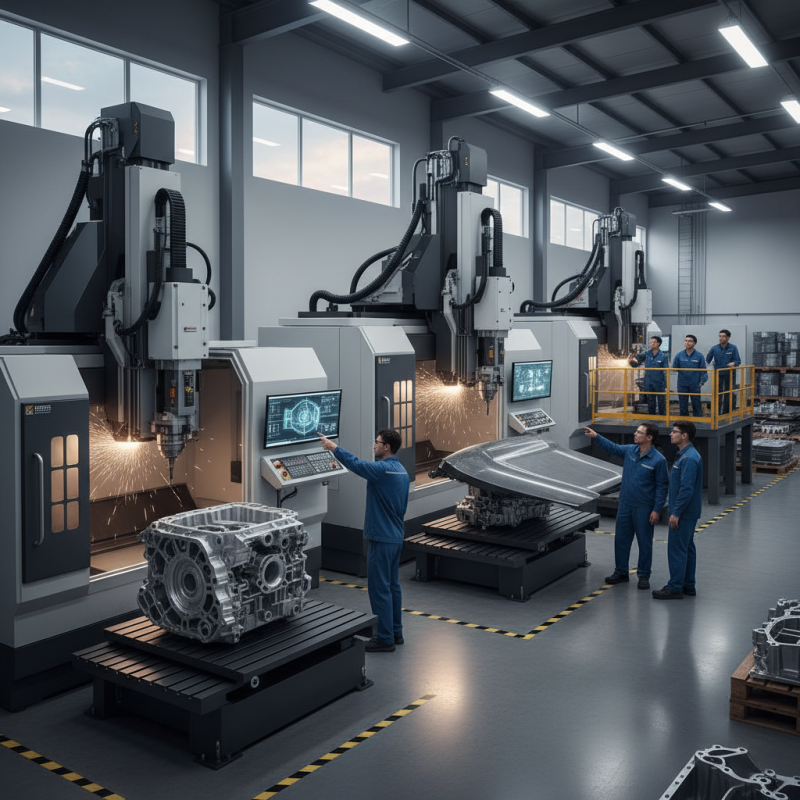
In today's manufacturing landscape, efficiency is paramount. Cnc Drilling Machines offer solutions that enhance precision and speed. These machines cater to diverse industries, from automotive to aerospace.
Investing in Cnc Drilling Machines can significantly boost productivity. They allow for the rapid drilling of complex shapes and sizes. This reduces the time spent on manual operations. Yet, the learning curve for operators can be steep. Businesses need to allocate time for proper training.
Moreover, ongoing maintenance is crucial. Without it, even advanced machines can falter. Understanding the integration of Cnc Drilling Machines into current workflows is essential. Balancing technology and workforce needs requires reflection. Businesses must evaluate their long-term goals and adapt accordingly.
Benefits of CNC Drilling Machines for Precision Manufacturing
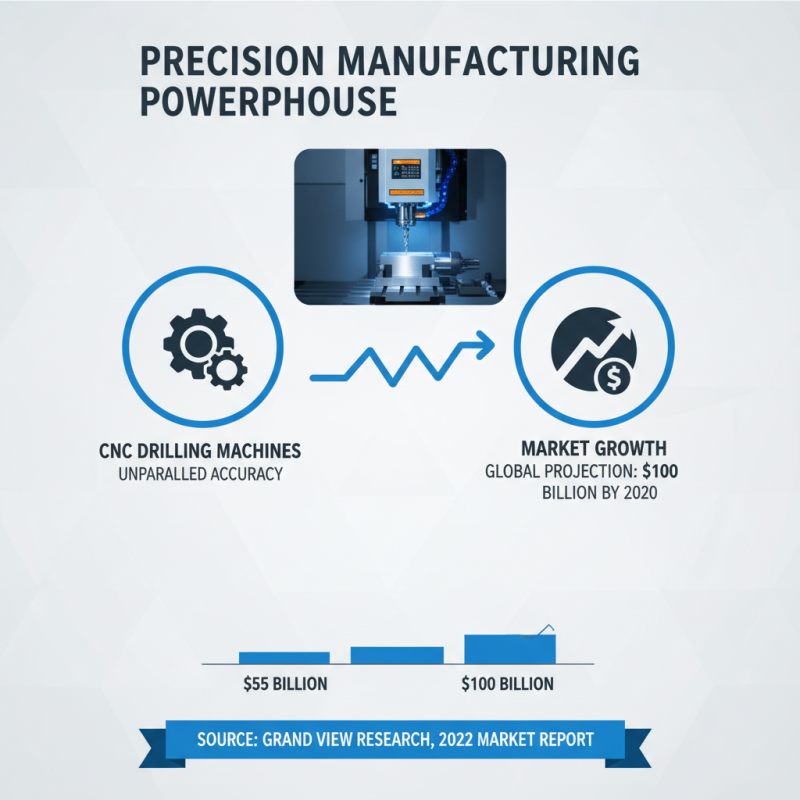
CNC drilling machines play a vital role in precision manufacturing. These machines offer unparalleled accuracy for various industries. According to a 2022 market report by Grand View Research, the global CNC machining market is projected to reach $100 billion by 2030, showcasing the growing reliance on CNC technology.
One significant benefit is the consistency in part production. Manufacturers report up to 98% reduction in error rates when using CNC drilling machines. This precision minimizes waste and saves costs. However, the initial investment can be steep. Smaller businesses might feel the pressure of high upfront costs. Yet, the long-term savings often outweigh this concern when considering efficiency and material savings.
Flexibility is another advantage. CNC machines can be programmed for multiple tasks. One machine can switch between drilling, milling, and engraving without major downtime. Despite this, the steep learning curve for programming and operation remains a challenge. Businesses must invest time and resources in training their workforce. This highlights an area that needs reflection, as not preparing employees can lead to underutilization of these advanced machines.
How CNC Drilling Enhances Production Efficiency and Speed
CNC drilling machines revolutionize production efficiency in various industries. These machines automate the drilling process, reducing manual labor and errors. With precise control, they can achieve consistent results. This leads to better quality products. Every operation is completed quickly and accurately, saving time.
Speed is crucial in today’s competitive market. CNC drills operate at high speeds, allowing for faster turnarounds. Operators can set them up for multiple tasks, enhancing versatility. However, not every situation benefits from these machines. For instance, intricate designs may require more attention.
Even with advanced technology, issues can arise. Calibration problems or tool wear might affect output quality. Regular maintenance is essential to ensure optimal performance. Operators must stay vigilant to avoid potential setbacks. Adopting CNC drilling can enhance productivity, but it's important to weigh the challenges.
Key Features to Consider When Choosing a CNC Drilling Machine
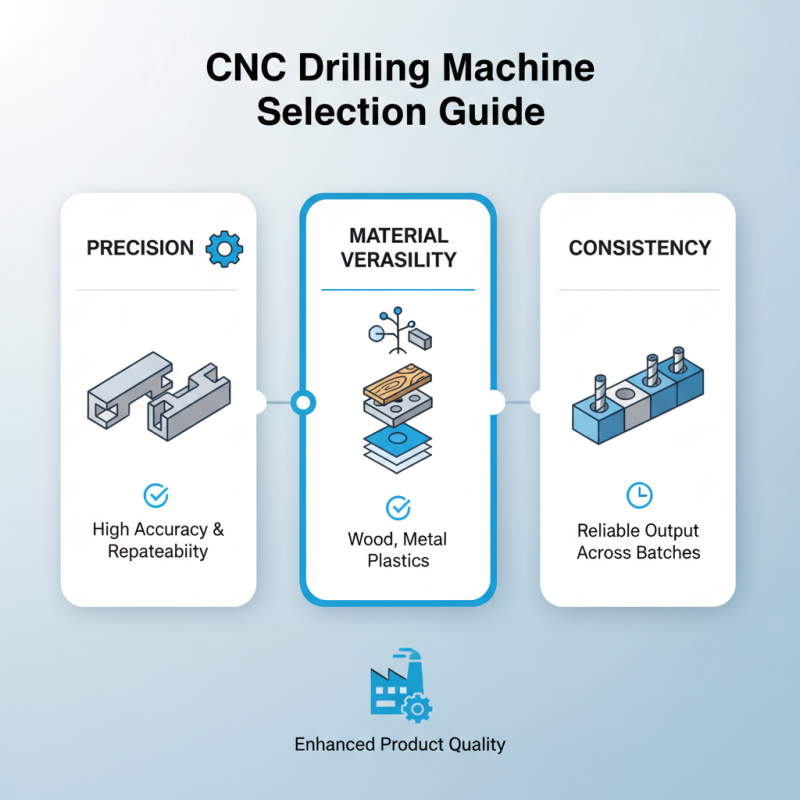
When selecting a CNC drilling machine, several key features deserve attention. Precision is crucial. Machines must deliver high accuracy, producing parts that fit together seamlessly. This contributes to the overall quality of your products. Look for machines that ensure consistent results across various materials. The ability to work with wood, metal, or plastics can broaden your business opportunities.
Speed is another factor. A machine that drills quickly without compromising quality can enhance productivity. However, it's essential to balance speed with accuracy. Investing in a faster machine may not always yield better results. Consider your workflow and the types of projects you typically handle.
Ease of use is vital too. A user-friendly interface can save time during training. Your team should be able to operate the machines efficiently without extensive practice. Maintenance needs also matter. Machines that require frequent repairs can hinder operations. Evaluate the long-term costs associated with upkeep. Think critically about these elements to find a machine that meets your unique business needs.
Applications of CNC Drilling in Various Industries
CNC drilling machines are essential in various industries. They provide precision and efficiency that traditional drilling methods can't match. The aerospace sector relies heavily on these machines for manufacturing components. According to a recent industry report, CNC drilling eliminates up to 30% of production errors. This accuracy is crucial for safety and performance in flight.
In the automotive industry, CNC drilling plays a vital role in creating engine parts and chassis components. The fast-paced nature of car production demands reliable tools that maintain quality under pressure. A study showed that companies that adopted CNC technology saw a 20% increase in output. Such improvements showcase the adaptability and strength of CNC drilling.
Tips: Always consider the specific needs of your project before choosing a CNC machine. Each model has unique capabilities that can affect your production.
CNC machines require regular maintenance to ensure accuracy. Ignoring this can lead to significant downtime. In a recent case, a company faced a production delay due to a malfunctioning CNC drill that was overlooked for maintenance. The lesson is clear: proactive upkeep is essential for maintaining efficiency and performance.
Comparing CNC Drilling Machines with Traditional Drilling Methods
CNC drilling machines offer significant advantages over traditional drilling methods. According to recent industry reports, CNC machines can achieve drilling speeds up to 30% faster than conventional equipment. This speed can significantly boost productivity. Additionally, CNC technology ensures a consistent level of precision. Research indicates that CNC machines can reduce tolerances to less than 0.01 mm. Traditional methods, in contrast, can deviate more widely, affecting part quality.
Tips: Maintain your CNC equipment regularly. This helps prevent issues that could affect precision and speed. Also, invest in training for operators. Skilled personnel are essential to maximize the machine's capabilities.
Using traditional drilling often requires more manual intervention. This can lead to human error, which in turn wastes materials and time. A study found that defects in manually drilled parts can be as high as 5%. This not only impacts production costs but can also strain relations with customers. Reflecting on this, businesses should weigh the long-term advantages of CNC machines against the shortfalls of traditional methods. Transitioning to CNC may involve upfront costs, but the returns can be substantial in efficiency and accuracy.
Comparison of CNC Drilling Machines vs Traditional Drilling Methods