What is a Cnc Router and How Does It Work?
CNC routers have revolutionized the manufacturing landscape. They are versatile tools used for cutting, engraving, and shaping various materials, including wood, plastics, and metals. According to market research, the CNC machining market is projected to grow at a CAGR of 7.5% from 2021 to 2028, indicating a rising demand for CNC routers.
These machines operate using computer numerical control technology. This allows for precision and repeatability that manual processes cannot match. A study by Statista revealed that the global market size for CNC machines could reach over $100 billion by 2026. This growth reflects the increasing adoption of automation in various industries.
Despite their advantages, CNC routers also present challenges. Operators must be skilled and understand programming. Mistakes can lead to material waste and time losses. It's essential to balance efficiency with training and oversight. CNC routers are powerful tools, but their success hinges on proper use and understanding.
What is a CNC Router?
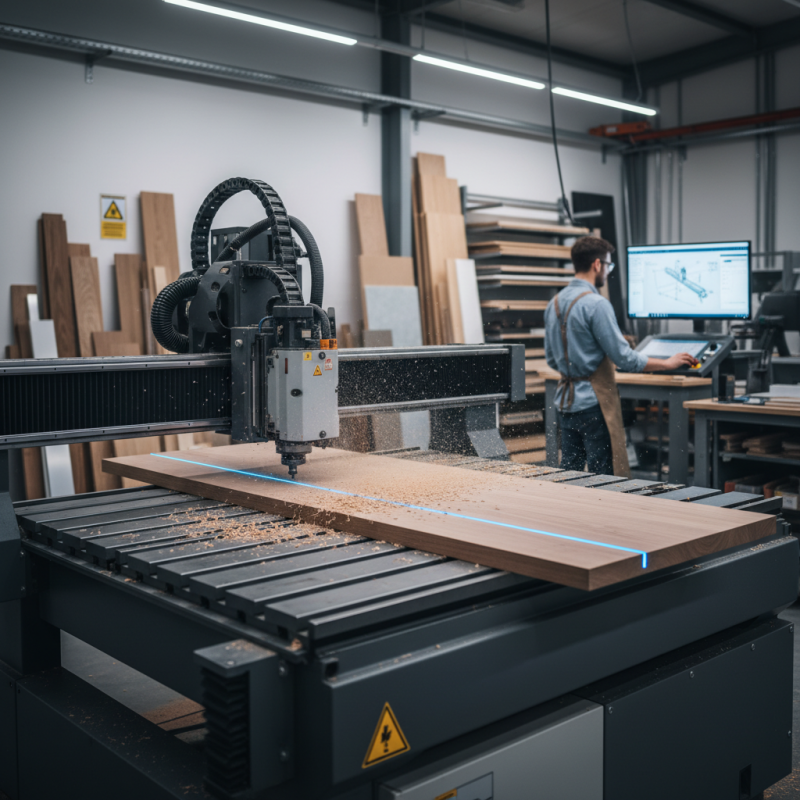
A CNC router is a versatile machine used in various industries. It automates the cutting, carving, and engraving of materials like wood, plastic, and metal. By utilizing computer numerical control, it enhances precision and efficiency. According to a recent industry report, the CNC router market is expected to grow at a CAGR of 7.5% by 2025. This growth highlights the increasing adoption of automation in manufacturing.
CNC routers operate by translating digital designs into physical objects. Users input a design file into the router. The machine then follows the instructions to create intricate shapes and patterns. The ability to produce complex designs quickly is one of its significant advantages. However, operating a CNC router requires skill. Beginner operators may struggle with machine calibration and programming.
**Tip:** Always test cuts on scrap materials before final production. This ensures design accuracy without wasting resources. Mistakes in programming can lead to unnecessary delays.
Despite their benefits, CNC routers can present challenges. For instance, material waste can occur from incorrect measurements. Furthermore, maintenance is crucial. An uncalibrated router can cause uneven cuts. Regularly checking the machine's parameters can prevent these issues.
Usage of CNC Routers in Various Industries
This chart illustrates the percentage of CNC router usage across various industries, highlighting its most common applications in woodworking, metal fabrication, aerospace, signmaking, and automotive sectors.
Components of a CNC Router
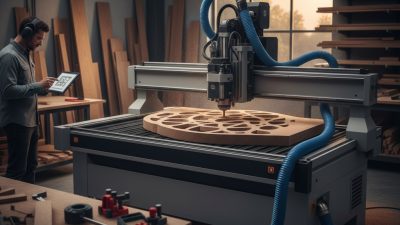
A CNC router is a powerful tool used for cutting and engraving materials. Understanding its components is essential for efficient operation. The main parts include the frame, spindle, and control system.
The frame provides stability and support. It's usually made from sturdy materials to withstand vibrations. The spindle is the heart of the router. It rotates the cutting tool at high speeds. Different tools can be swapped out for various tasks. The control system allows users to input designs and commands. This system can be complex, requiring some technical knowledge.
Additional parts include the drive motors and software. Drive motors control the movement of the router on multiple axes. These motors need to be precise and responsive. Software can sometimes be confusing for beginners. Mistakes in design can lead to wasted materials. It's crucial to double-check designs before starting. Understanding these components can greatly enhance the user experience.
What is a Cnc Router and How Does It Work? - Components of a CNC Router
| Component |
Description |
Function |
| CNC Controller |
The brain of the CNC router, it interprets G-code and controls the movement. |
Translates design into machine movements. |
| Spindle |
Holds and rotates the cutting tool. |
Drives the cutting process on the material. |
| Frame |
The structure that holds the entire machine together. |
Provides stability and support. |
| Motion System |
Includes the rails, motors, and belts or lead screws that move the machine. |
Enables precise positioning and cutting. |
| Cutting Tool |
The tool used for machining the material. |
Shapes the material as per the design. |
| Software |
Programs like CAD/CAM are used to create or edit designs. |
Generates G-code for the CNC controller. |
The CNC Routing Process Explained
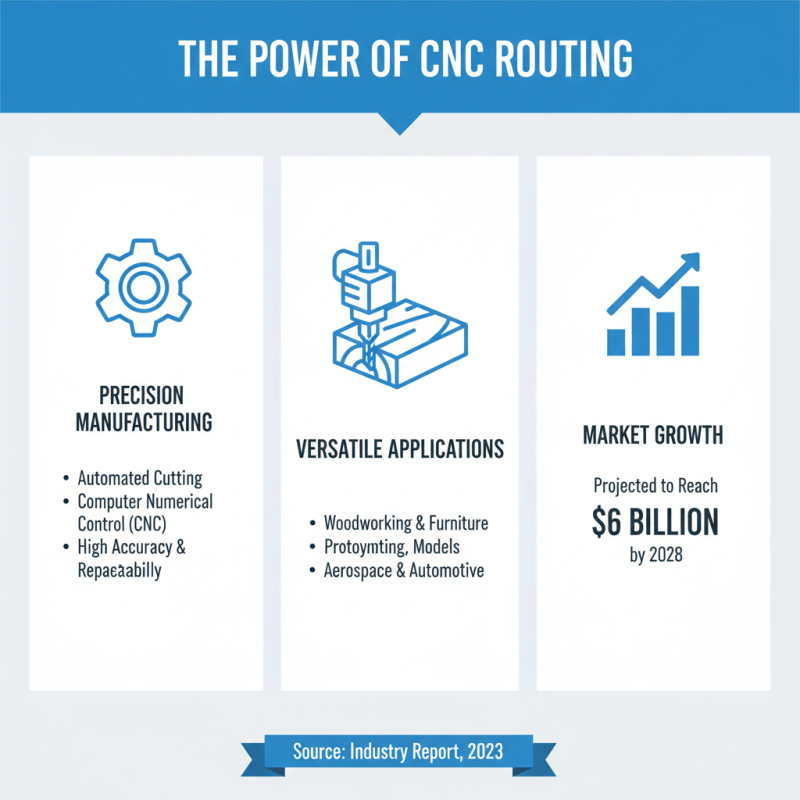
CNC routing is a precise method used in woodworking and manufacturing. This process relies on computer numerical control (CNC) technology to automate the cutting of materials. The router utilizes various cutting tools to create intricate designs with high accuracy. According to a recent industry report, the CNC router market is projected to reach $6 billion by 2028, highlighting its growing importance in modern production.
The CNC routing process begins with a digital design, often created in CAD software. This design is translated into machine code, which instructs the router on how to operate. The machine moves along multiple axes to execute cuts, engravings, and other details. Many users note that while CNC routers can improve efficiency, mistakes can happen due to design errors. An estimated 30% of all CNC machining is impacted by errors in design files, leading to wasted materials and time.
Operators must continually refine their skills and update their knowledge. The calibration of the machine is crucial for accurate outcomes. Even slight misalignments can lead to imperfect cuts. It’s worth noting that 15% of issues arise from user input mistakes, emphasizing the need for careful training and monitoring. As the technology evolves, the balance between human oversight and machine automation remains a critical discussion.
Applications of CNC Routers in Various Industries
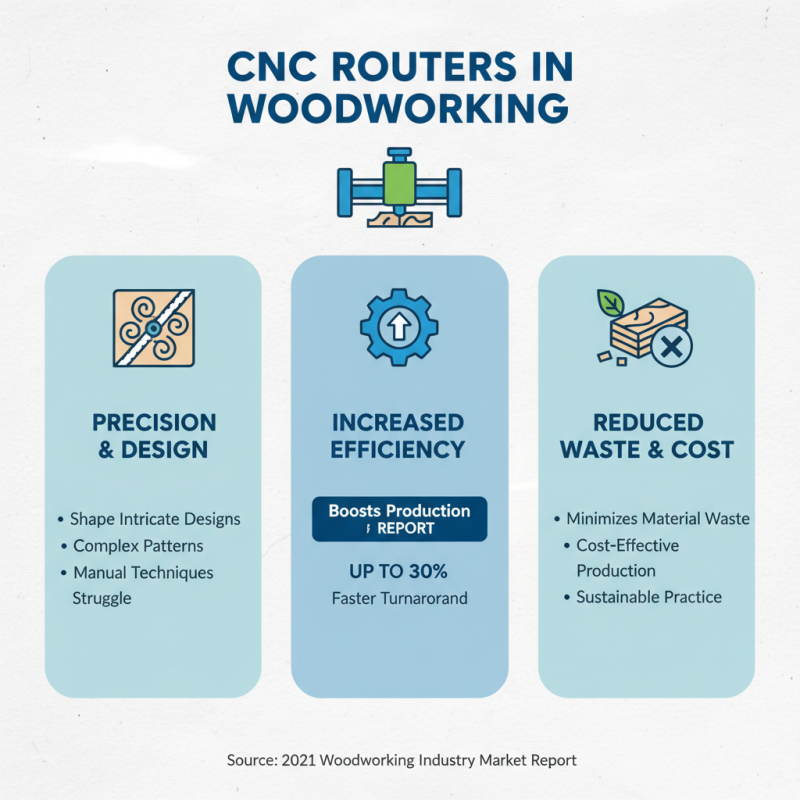
CNC routers play a vital role across various industries. In woodworking, they shape intricate designs with precision. According to a 2021 market report, the woodworking industry utilizes CNC technology to increase production efficiency by up to 30%. This precision cuts down on material waste significantly. Carpenters find that CNC routers can create complex patterns that manual techniques struggle to replicate.
In the signage industry, CNC routers are used to create durable and attractive signs. They can carve detailed designs on various materials, including acrylic and wood. Data suggests that businesses using CNC routers to produce signage see a 25% increase in client engagement. Alternative methods can't keep pace with this effectiveness. Yet, not every shop has access to such technology, leaving some behind.
Another significant application is in the aerospace industry. CNC routers aid in producing lightweight components that meet strict safety regulations. However, implementing this technology can be costly, pushing smaller manufacturers to reconsider their production methods. These challenges underscore the need for investment in technology that can ultimately enhance capabilities and reduce costs in the long run.
Benefits of Using CNC Routers Over Traditional Methods
CNC routers have revolutionized the manufacturing landscape. According to a recent industry report by Grand View Research, the CNC machine market is expected to reach $117.2 billion by 2027. This growth highlights the increasing preference for CNC routers over traditional methods.
One major benefit of CNC routers is their precision. They can achieve tolerances as tight as 0.001 inches. In contrast, manual methods rely heavily on the operator's skill, leading to inconsistencies. A study published by SME reveals that quality issues reduced productivity by 43% in traditional machining. With CNC, you minimize human error, which directly impacts the bottom line.
Another advantage is efficiency. CNC routers can operate continuously, increasing output significantly. While traditional machining often requires breaks, CNC systems can run unattended. According to a survey by Modern Machine Shop, companies reported a 30% increase in production speed using CNC technology. However, adopting CNC comes with challenges, such as the initial investment cost and the need for skilled operators. Balancing these factors is crucial for businesses looking to upgrade their capabilities.