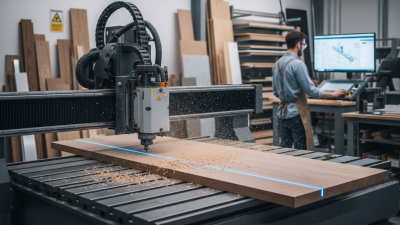
Mastering 3 Axis Machines in CNC machining is a skill that requires dedicated practice and knowledge. These machines are pivotal in various industries, producing intricate parts with precision. However, becoming proficient is not merely about understanding the equipment.
Many beginners struggle with setup and tool selection. Each mistake can lead to wasted materials and lost time. Understanding the nuances of the 3 Axis Machines is essential. This journey involves trial and error, as well as an ability to adapt. It's crucial to embrace the learning curve and recognize that mastery takes time.
Equipped with ten essential tips, you can enhance your skills significantly. By focusing on the details, such as proper feed rates and tooling, you can pave your path to success. Every operator has room for improvement, and even simple adjustments can yield significant results.
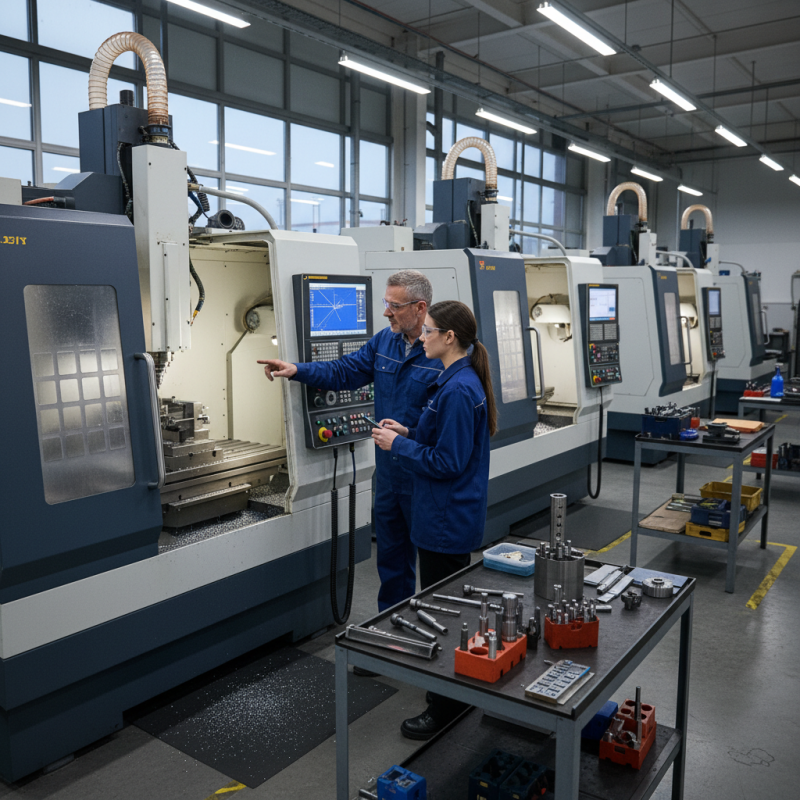
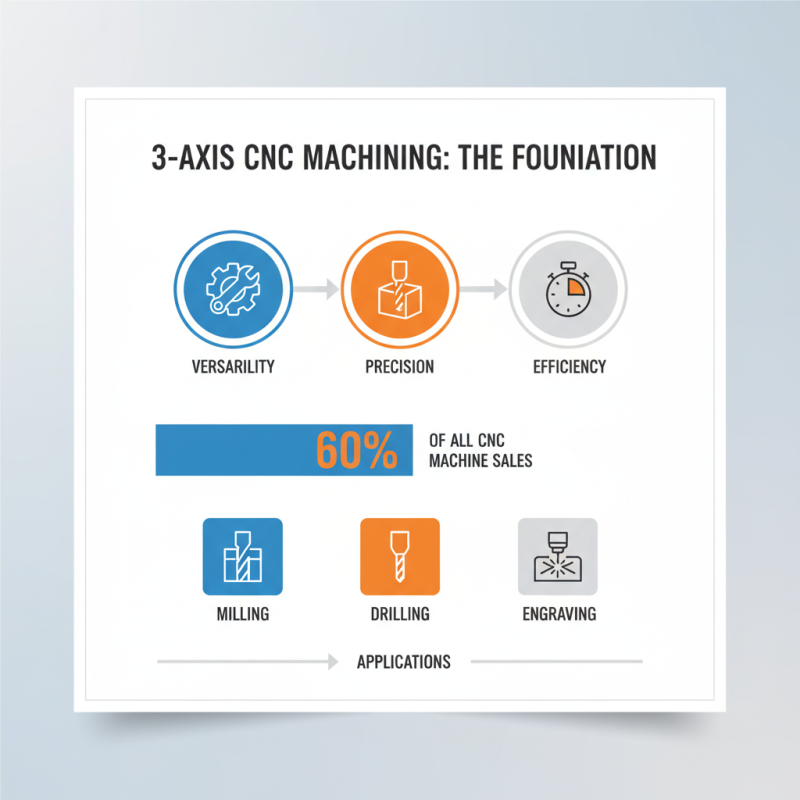
Three-axis CNC machining is foundational in manufacturing. Many industries rely on its precision. Reports indicate that 3-axis machines account for approximately 60% of all CNC machine sales. This popularity stems from their versatility and efficiency in various applications, such as milling, drilling, and engraving.
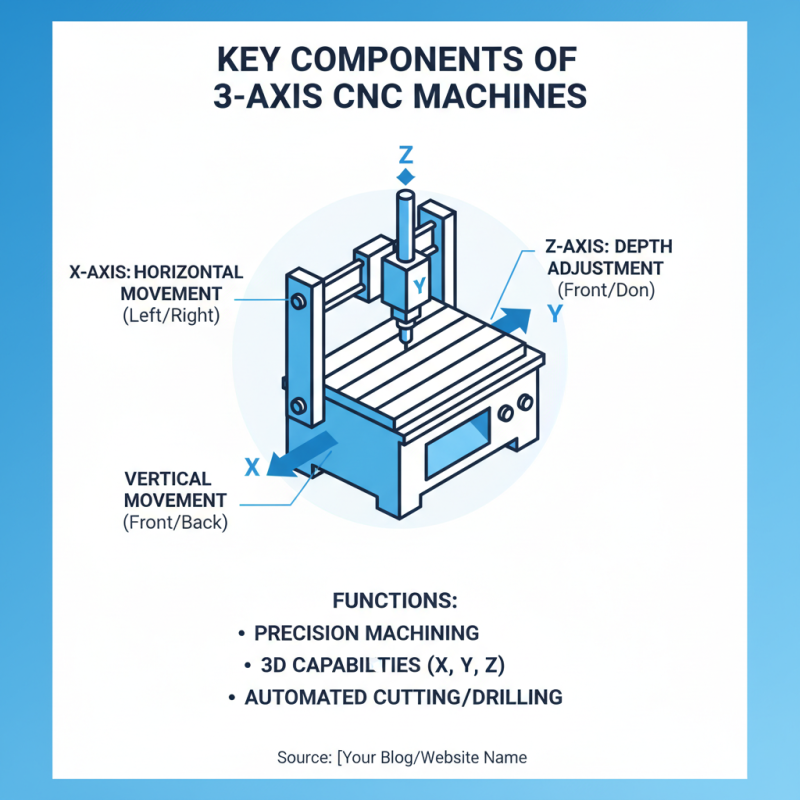
Understanding the basics of three-axis machining is vital. It operates on three linear movements—X, Y, and Z axes. Each axis corresponds to a directional movement, allowing tools to create complex parts with high accuracy. However, mastering these machines requires more than just operational knowledge. Operators must have a solid grasp of tool selection, feed rates, and cutting speeds. A small error in settings can lead to significant quality issues.
The learning curve can be steep. Many new users struggle with setup and calibration. It's crucial to regularly check machine alignment to ensure precision. Regular maintenance also plays a vital role. Neglecting it can result in unanticipated downtime. Understanding these intricacies will lead to improved outcomes and greater efficiency in production.
Understanding the key components of 3-axis CNC machines is crucial for effective machining. These machines primarily consist of three linear axes: X, Y, and Z. Each axis plays a vital role in executing precise movements. The X-axis typically controls horizontal movement, the Y-axis manages vertical motion, while the Z-axis raises or lowers the tool for depth adjustments.
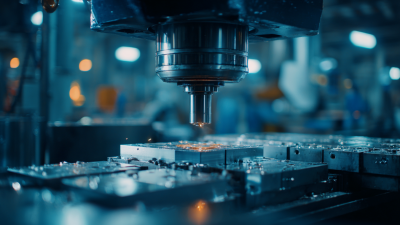
Research indicates that over 50% of errors in machining stem from misalignment or improper calibration of these axes. This highlights the importance of regular maintenance and checks. End mills, which are crucial for material removal, need proper selection based on material type and desired finish. The spindle, another essential component, directly affects machining speed and accuracy. A poorly chosen spindle can lead to significant production delays and increased wear.
Operators must also pay attention to tool holders and fixtures. These elements are often overlooked, yet they greatly influence the precision of the machining process. Tool holders must be compatible with the chosen tools to avoid runout and vibration. Studies show that even minor runout can decrease the lifespan of cutting tools by up to 30%.
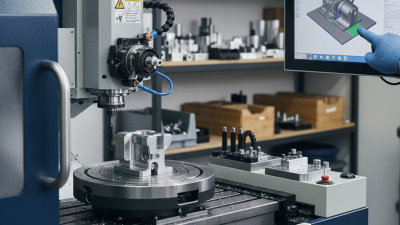
When setting up a CNC machine, accuracy is crucial. The first step is to ensure your workpiece is properly secured. Use clamps or vises that are appropriate for the material. This prevents any movement during the machining process. Even a slight shift can lead to disastrous results.
Next, it’s essential to calibrate the machine. Check the tool offsets carefully. A small error in the tool length can cause major deviations in the final product. Run a few test cuts on scrap material to confirm that your setup is correct. If the test cuts aren't satisfactory, take the time to analyze the issue. Maybe the tool is dull, or the feed rate is too aggressive.
Another important aspect is to maintain cleanliness. Dust and debris can throw off measurements. Keep your workspace tidy. Regularly clean the machine surfaces. This simple act can significantly improve machining precision. It’s easy to overlook, but it can make a big difference in your results. Balancing these setup steps will lead to a more efficient CNC machining process.
Precision is vital in CNC machining. Mastering a 3-axis machine requires a deep understanding of various techniques. One effective strategy is using the right cutting tools. Choosing tools with the correct geometry affects the surface finish. Dull tools can lead to poor quality. Regularly inspect and replace them.
Another important aspect is machine calibration. Regularly check your setup for alignment and level. Even small deviations can lead to significant errors. It’s essential to understand how temperature and material types affect your machining process. For example, aluminum behaves differently than steel.
Don’t overlook the importance of proper feed rates. Adjusting your speeds can enhance overall performance. A feed rate that’s too high can damage both the tool and the material. Experiment with different settings to find the sweet spot. While you aim for perfection, remember that every mistake is a learning opportunity. Evaluate your results regularly. This will not only improve your skills but your confidence in the long run.
| Tip Number | Technique | Description | Expected Outcome |
|---|---|---|---|
| 1 | Proper Setup | Ensure machine is calibrated and correctly configured before starting. | Increased accuracy and reduced errors. |
| 2 | Tool Selection | Choose the right tools for the material being machined. | Enhanced tool life and surface finish. |
| 3 | Speed and Feed Rates | Calculate optimal cutting speeds and feeds for efficiency. | Maximized productivity and minimized wear. |
| 4 | Tool Path Optimization | Plan the tool path to reduce unnecessary movement. | Lower cycle times and improved efficiency. |
| 5 | Regular Maintenance | Schedule periodic maintenance for the machine. | Increased reliability and longer machine lifespan. |
| 6 | Simulation Software | Use software to simulate machining operations. | Identify potential issues before actual machining. |
| 7 | Feedback and Adjustments | Collect feedback from each operation and make adjustments. | Continuous improvement in machining processes. |
| 8 | Cooling Methods | Implement effective cooling strategies to prolong tool life. | Better part finish and reduced thermal distortion. |
| 9 | Workpiece Clamping | Ensure workpieces are securely clamped during machining. | Improved dimensional accuracy and safety. |
| 10 | Training | Invest in training for operators on best practices. | Enhanced skill level and reduced mistakes. |
Troubleshooting CNC machines can be daunting. Many operators face issues like tool wear, misalignment, and software glitches. According to a report from a CNC machining industry study, 30% of machine downtime results from these common problems. Maintaining sharp tools is essential. Dull tools can lead to inaccurate cuts. This not only affects quality but can also increase cycle time.
You should regularly check alignment. Misalignment can cause unexpected deviations in machining accuracy. Simple tests can help reveal misalignment issues early. In fact, a survey indicated that 20% of CNC operators overlook this crucial aspect. Regular calibration can save both time and material. Operators must recognize that software errors are just as significant. Unexpected crashes can lead to costly errors. Implementing routine software updates is crucial for performance. Many machines face slow performance due to outdated software.
Establishing a feedback loop with colleagues can be helpful. Discussing recent issues might uncover new solutions. Additionally, documenting recurring problems can lead to improved troubleshooting processes. A report suggests that teams with effective communication see a 15% increase in productivity. Reflecting on these aspects can enhance overall CNC machine performance. It’s not always easy, but small adjustments can lead to significant improvements.