2026 How to Choose the Best Cnc Woodworking Machine for Your Projects?
Choosing the right CNC woodworking machine can greatly impact your project outcomes. James Thompson, a noted expert in the CNC woodworking industry, states, "Your choice in CNC machines defines the quality of your craftsmanship." This emphasizes the importance of making an informed decision.
CNC woodworking machines come in various models and sizes. Each type offers unique features suited for different tasks. For instance, a larger machine may handle bigger projects but can be less versatile in tight spaces. Smaller machines might excel in detail work but can limit production speed.
Before making a purchase, consider your project needs. Analyze the materials you will use and the complexity of your designs. Remember, the best CNC woodworking machine is not always the most expensive one. Reflect on your specific requirements and how a machine aligns with them. Doing so can lead to better efficiency and potentially improved craftsmanship.
Factors to Consider When Choosing a CNC Woodworking Machine
Choosing the right CNC woodworking machine can be a daunting task. There are many factors to consider. The type of projects you plan to undertake is essential. For example, intricate designs require precise machines. On the other hand, simpler projects may not need high-end features. Understanding your specific needs is crucial.
Another important factor is the machine's size and capabilities. Consider your workspace. A larger machine occupies more space and may limit your options. Pay attention to the software as well. Compatibility with design files can save significant time. Furthermore, think about ease of use. Some machines have a steep learning curve, which can be frustrating.
Budget also plays a significant role. It's tempting to choose a cheaper option. However, investing in quality often pays off. Look for long-term benefits and potential growth. Researching reviews can help gauge reliability. It’s a journey that requires patience and reflection. Sometimes, experiences will reveal areas for improvement. So, take your time to make an informed choice.
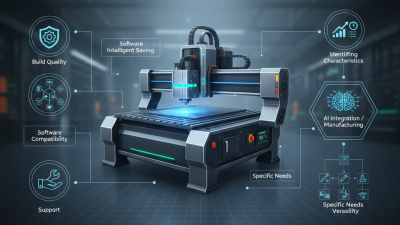
2026 CNC Woodworking Machine Features Comparison
Understanding Different Types of CNC Machines for Woodworking
When considering CNC machines for woodworking, understanding the types available is crucial. Common options include CNC routers, CNC lasers, and CNC milling machines. Each type has unique strengths tailored for specific tasks. For example, routers excel at intricate designs, creating detailed carvings and patterns. Laser machines efficiently cut and etch surfaces with precision, while milling machines are more suitable for heavy material removal and shaping.
According to a report by MarketsandMarkets, the global CNC machine market is expected to reach $100 billion by 2025, reflecting the growing demand for automated solutions. This growth indicates that more hobbyists and professional woodworkers are embracing CNC technology. However, selecting the right machine also comes with challenges. Users often underestimate the importance of software compatibility and material limitations, which can lead to frustration and wasted resources. Additionally, learning curves vary widely; beginners might feel overwhelmed by complexities.
Purchasing decisions should consider project requirements and budget. Research shows that 70% of users emphasize functionality over brand reputation. Ensure your choice aligns with the tasks you intend to undertake. Reflect on your specific needs before committing to a purchase. A well-informed decision will likely yield better results in your woodworking projects.
2026 How to Choose the Best CNC Woodworking Machine for Your Projects?
| Type of CNC Machine |
Best For |
Machine Features |
Approximate Price Range |
| CNC Router |
Large projects, intricate designs |
3D carving, cutting, engraving |
$2,000 - $5,000 |
| CNC Mill |
Precision machining |
High precision, multiple axes |
$3,000 - $20,000 |
| Laser Cutter |
Detailed engraving, fine cuts |
Laser engraving, cutting, high speed |
$1,000 - $6,000 |
| CNC Plasma Cutter |
Metalworking, thick materials |
Plasma cutting, high power |
$2,500 - $10,000 |
| CNC Laser Engraver |
Small projects, engraving |
Fine details, affordable |
$500 - $3,000 |
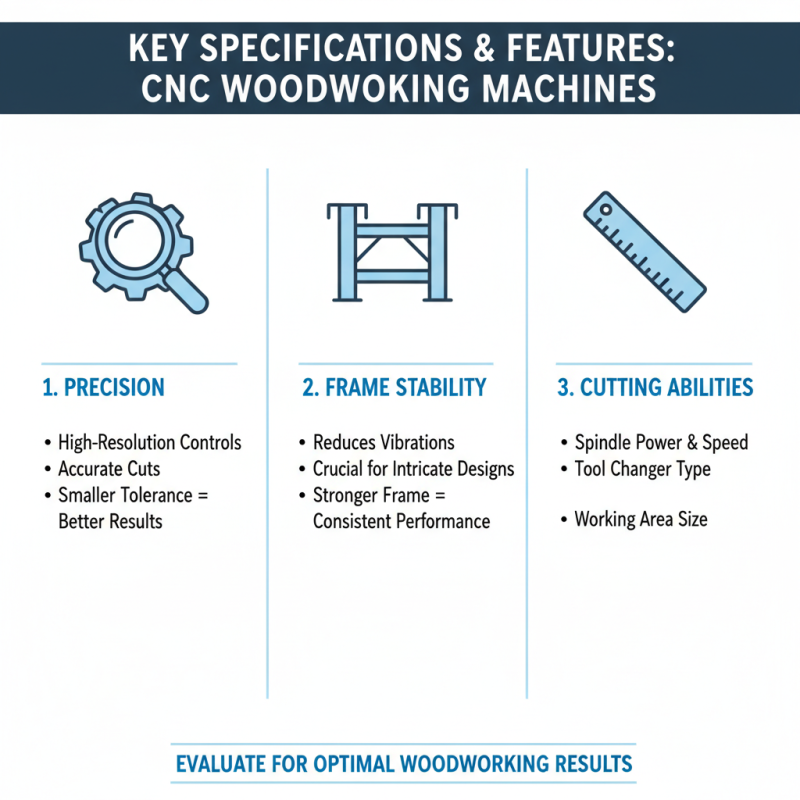
Key Specifications and Features to Evaluate in CNC Woodworking Machines
When selecting a CNC woodworking machine, there are several critical specifications to consider. The machine's precision is paramount. Look for equipment that offers high-resolution controls. This ensures your cuts are accurate. A machine with a smaller tolerance level provides better results. The frame stability affects performance, especially during intricate designs. Stronger frames lead to fewer vibrations.
Next, evaluate the router power. A high-wattage router enables deeper cuts. This is particularly important for thick materials like hardwood. Consider the spindle speed as well. Faster speeds are beneficial for softer woods, while slower speeds suit denser materials. Pay attention to the software compatibility as well. A user-friendly interface improves the overall experience and productivity.
Also, think about the machine's size and cutting area. Larger machines accommodate bigger projects but require more space. Check the availability of accessories and support. These can influence both your original purchase and future upgrades. Reflect on your specific projects and needs. This can be a challenge, as styles and requirements vary widely. Factors like these build a clearer picture of what you truly need for your workshop.
Budgeting for Your CNC Woodworking Project: Cost vs. Benefit Analysis
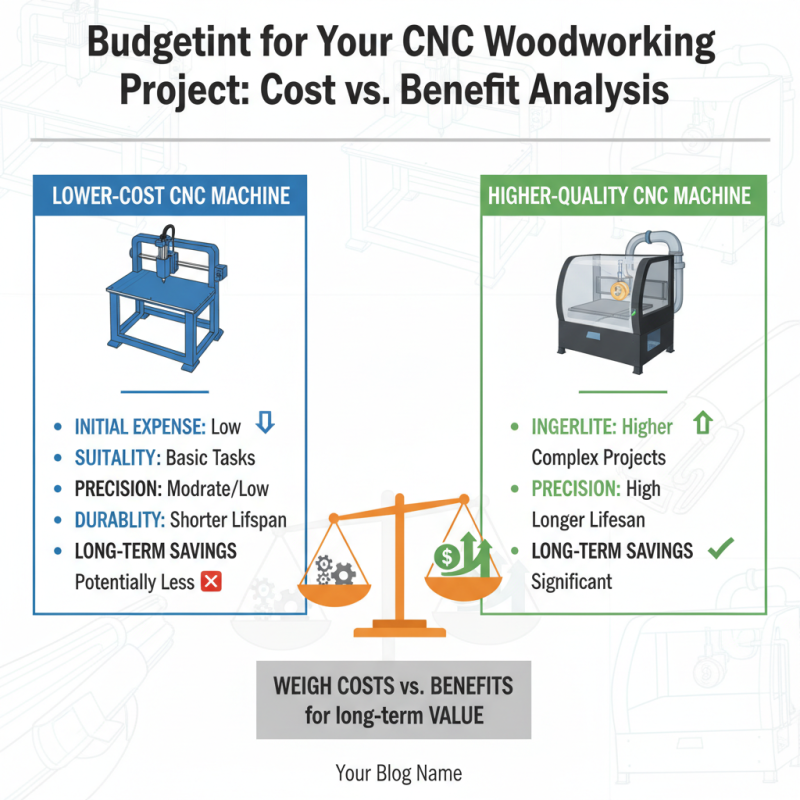
When budgeting for CNC woodworking projects, it’s important to weigh costs against benefits. The initial expense of a CNC machine can vary widely. A lower-cost machine may suit basic tasks, but may lack precision or durability. Investing in a higher-quality machine can lead to superior results and longevity, which may save you money in the long run.
Consider additional costs beyond the machine itself. Software, maintenance, and materials all add up. For example, quality materials often yield better cuts and finishes. However, calculating the return on investment requires careful analysis. It is essential to understand how much you will use the machine. If it's a hobby versus a business venture, this will significantly influence your budget.
Reflect on your project needs. Do you require intricate designs or simple cuts? The complexity of your projects should dictate your choice. While a high-end CNC can create stunning results, it might be overkill for basic applications. Striking a balance between functionality and cost is crucial for effective budgeting. Always research heavily before making decisions.
Industry Standards and User Reviews: Making Informed Decisions
Choosing the right CNC woodworking machine can be overwhelming. Focusing on user reviews and industry standards will guide you in making informed decisions. These resources offer insights based on real experiences, highlighting strengths and weaknesses. Pay attention to the ratings, but read the comments as well. They often reveal useful details that numbers can't show.
Tips: Look for machines with a balance of features and price. A high-cost option may not always meet your needs. Also, consider the size of your projects. Smaller machines can be limiting if your work requires larger pieces. Some users regret not choosing a more versatile model.
User reviews help identify common troubleshooting issues, such as software compatibility or maintenance challenges. Many users express dissatisfaction when machines do not perform as advertised. A machine that seemed perfect may later reveal flaws in accuracy, leading to rework. Approach reviews with a critical eye, paying attention to consistent feedback.