Why Invest in 5 Axis Machines for Your Manufacturing Needs?
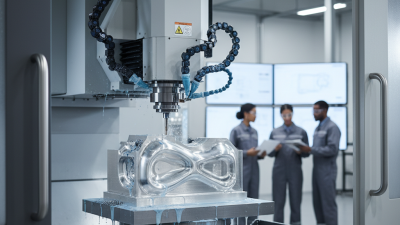
Investing in 5-Axis Machines can transform your manufacturing capabilities. Renowned expert and engineer, Dr. Emily Chen, emphasizes their importance, stating, "5-Axis Machines allow for unmatched precision in complex parts." This technology elevates efficiency and reduces production time significantly.
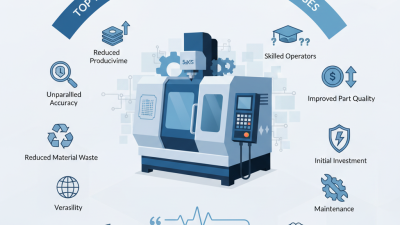
The intricacy of modern manufacturing demands advanced solutions. 5-Axis Machines facilitate intricate machining operations that traditional machines cannot handle. They enable manufacturers to develop complex geometries. However, many still hesitate. The initial investment might seem high, but the long-term savings and quality improvements are undeniable.
While the benefits are substantial, challenges exist. Mastering 5-Axis technology requires skilled operators and careful planning. Manufacturers must consider their capacity for training and maintenance. Balancing costs and benefits should be a thoughtful process. Ultimately, embracing 5-Axis Machines could redefine your manufacturing success.
Benefits of 5 Axis Machines in Modern Manufacturing Operations
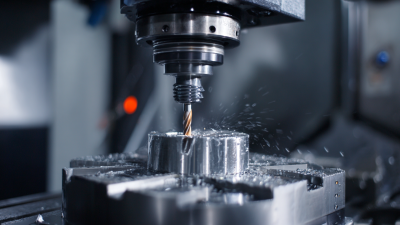
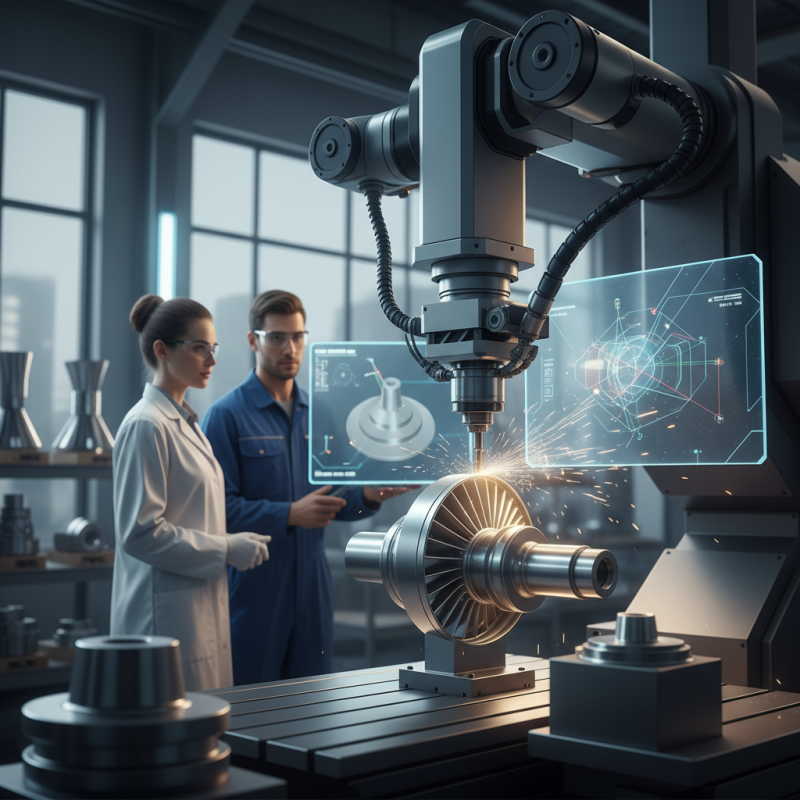
5-axis machines have transformed modern manufacturing with enhanced capabilities. These machines can operate on multiple axes simultaneously. This allows for complex shapes and intricate designs, which are often impossible with traditional setups. Their versatility is vital for industries like aerospace and automotive, where precision is critical.
Investing in 5-axis technology can lead to increased efficiency. Traditional machining methods often require multiple setups, leading to longer production times. With 5-axis machines, you can reduce setup times and streamline production. This not only saves time but also minimizes errors during the manufacturing process. While the initial investment may seem high, the long-term benefits justify the cost.
However, adapting to 5-axis machines can be challenging. Operators need specialized training to maximize their potential. Not all machining tasks benefit equally from this technology. Some simpler projects may not see significant gains in using a 5-axis approach. It's essential to evaluate your specific manufacturing needs before transitioning. The decision should be based on a clear understanding of both potential and limitations.
Why Invest in 5 Axis Machines for Your Manufacturing Needs? - Benefits of 5 Axis Machines in Modern Manufacturing Operations
| Feature |
Description |
Benefits |
| Multi-Axis Machining |
Ability to manipulate the tool on five different axes simultaneously. |
Increased precision and flexibility in manufacturing complex shapes. |
| Reduced Setup Time |
Allows for multiple operations to be performed in a single setup. |
Saves time and minimizes work-in-progress inventory. |
| Enhanced Surface Finish |
Improved machining techniques lead to superior part finishes. |
Reduces or eliminates the need for additional finishing processes. |
| Higher Complexity Handling |
Can create detailed geometries that traditional machines cannot. |
Expands the range of projects and components manufacturers can handle. |
| Cost Efficiency |
Automates processes leading to reduced labor costs. |
Improves overall productivity and lowers manufacturing costs. |
Understanding the Technology Behind 5 Axis Machining
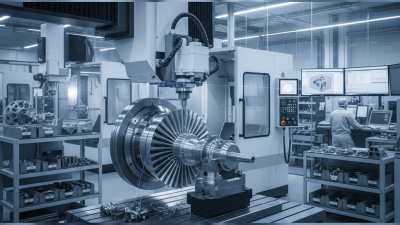
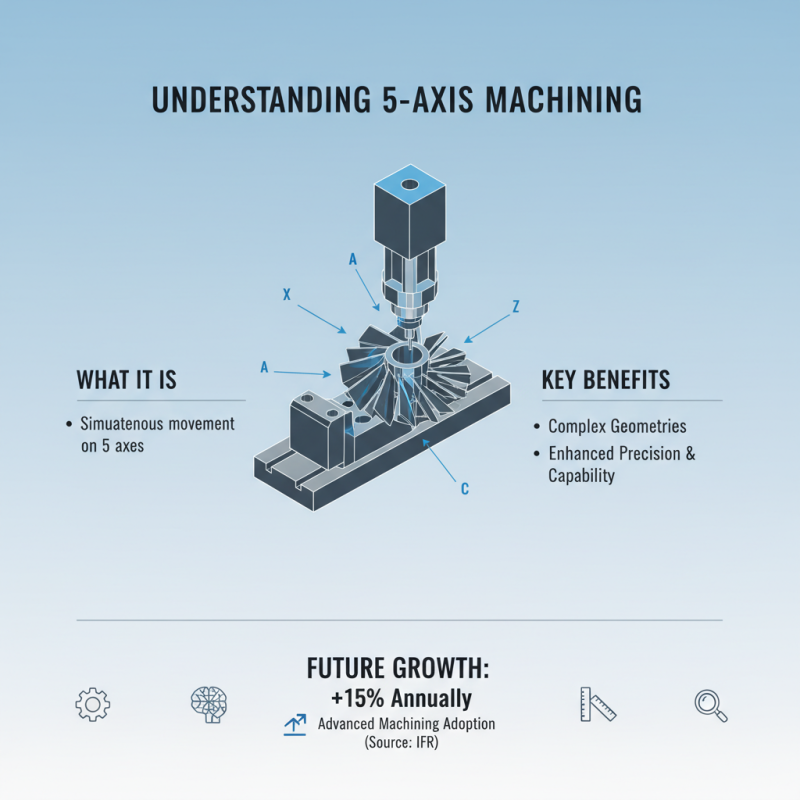
5 Axis Machining has changed the landscape of manufacturing. This technology enables machines to move on five different axes, allowing for complex geometries. According to a report by the International Federation of Robotics, the use of advanced machining techniques is expected to rise by 15% annually. This growth signifies a shift towards precision and capability in production.
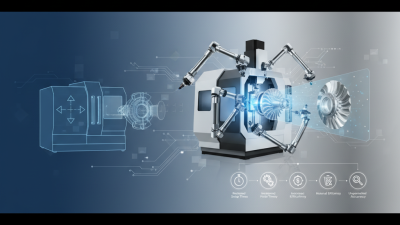
Understanding the mechanics behind 5 Axis Machining is vital. Unlike traditional methods, 5 Axis machines can reach intricate angles without repositioning the workpiece. This reduces setup time and improves accuracy. Data from the American Machining Association indicates that manufacturers can see a 30% reduction in machining time when utilizing 5 Axis technology compared to 3 Axis systems. This efficiency drive is important, yet some manufacturers struggle to fully leverage these capabilities due to inadequate training or poor integration into existing workflows.
The investment in 5 Axis machines isn't merely about speed. It’s about achieving superior surface finishes and reducing human error. A survey conducted by the Manufacturing Technology Association found that 70% of companies noted improved product quality after adopting 5 Axis technology. This statistic underlines the potential advantages, yet highlights the challenges some face in transitioning, including cost and complexity in operations.
Key Industries That Utilize 5 Axis Machining Effectively
Five-axis machining is increasingly vital across numerous industries. Aerospace and automotive are two key sectors harnessing its precision. In aerospace, components must be lightweight yet durable. Five-axis machines allow manufacturers to create complex shapes that meet strict regulations. Meanwhile, in automotive, intricate parts benefit from the speed and flexibility offered by five-axis technology.
Machinery in medical device production also leverages five-axis capabilities. The intricate designs of surgical instruments require precision and reliability. With five-axis machining, manufacturers can achieve the desired tolerances without sacrificing quality. Companies producing dental implants find similar advantages, as these components often need detailed finishes and complex geometries.
Tips: When considering investment, evaluate the type of parts you manufacture. Analyze the volume and complexity of the required components. Ensure your team is well-trained to harness the technology's full potential. Regular maintenance of machines is crucial for optimal performance and longevity. Always be ready to adapt and incorporate new advancements for continuous improvement.
Cost Analysis: Investing in 5 Axis Machines vs. Traditional Machines
Investing in 5-axis machines can be a game-changer for your manufacturing process. When comparing the cost of 5-axis machines versus traditional machines, several factors come into play. Initially, the purchase price of 5-axis machines can be higher. However, their ability to perform multiple tasks cuts down on labor costs and reduces system inefficiencies.
One major benefit of 5-axis machining is the decrease in setup times. Traditional machines often require multiple setups for complex parts, which can be time-consuming. 5-axis machines can produce intricate shapes in a single setup. This not only saves time but also enhances precision, leading to fewer errors.
Tips: When considering investment, calculate potential savings from reduced labor and faster production times. Pay attention to the learning curve, as operators may need additional training to leverage the capabilities of 5-axis machines effectively. Assess the long-term cost benefits versus the initial investment. It’s important to analyze your specific production needs before making a decision.
Cost Analysis: Investing in 5 Axis Machines vs. Traditional Machines
This chart compares the initial investment costs, operational efficiency, and maintenance costs between 5 Axis machines and traditional CNC machines over a five-year period.
Future Trends in 5 Axis Machining and Their Impact on Manufacturing
The evolution of 5 axis machining is reshaping the manufacturing landscape. A report by MarketsandMarkets estimates that the 5 axis machining market will grow to reach $2.65 billion by 2025, driven by increased precision and efficiency demands. Manufacturers are adopting these machines to produce complex geometries quickly and with minimal waste. The ability to machine multiple sides of a workpiece in a single setup has made these machines essential in industries like aerospace and automotive.
Investing in 5 axis machines can significantly enhance production capabilities. Research from the American Machinist indicates that these machines can reduce part production time by up to 75%. This efficiency is crucial as industries face rising pressure to meet shorter lead times. However, the initial investment is substantial, and not all manufacturers may see immediate returns. Companies must analyze their specific needs and challenges before transitioning to 5 axis technology.
Future trends indicate a potential shift towards automation and artificial intelligence integration in 5 axis machining. These advancements could streamline processes further, yet questions remain about workforce adaptation. Manufacturers must prioritize training and upskilling to fully leverage these innovations. The balance between technology and human expertise will be critical to ensure sustainable growth.