Why Are Milling Machines Essential in Modern Manufacturing?
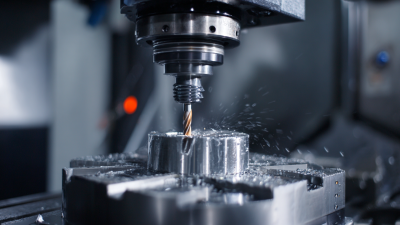
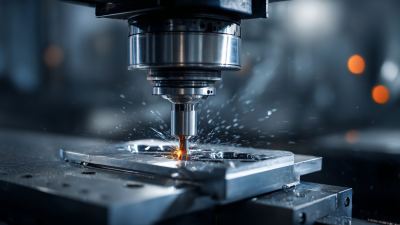
Milling machines play a vital role in modern manufacturing. According to Dr. Sarah Thompson, a leading expert in machining technology, "Milling machines transform ideas into tangible products." This insight highlights the essential nature of these machines in the production process.
In today's fast-paced industrial environment, precision and efficiency are paramount. Milling machines offer unparalleled accuracy to create complex parts. They have become indispensable in sectors ranging from aerospace to automotive. The versatility of milling machines allows manufacturers to meet diverse demands but comes with challenges. Not all operations fully utilize this technology's potential.
Undoubtedly, the evolution of milling machines has brought significant advancements. However, some companies fall short in adopting new innovations. A commitment to continuous improvement and training is essential. Only then can businesses fully harness the power of milling machines and stay competitive.
The Role of Milling Machines in Modern Manufacturing Processes
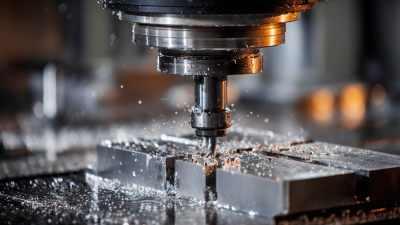
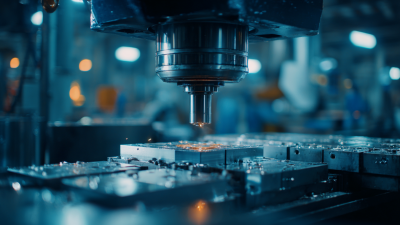
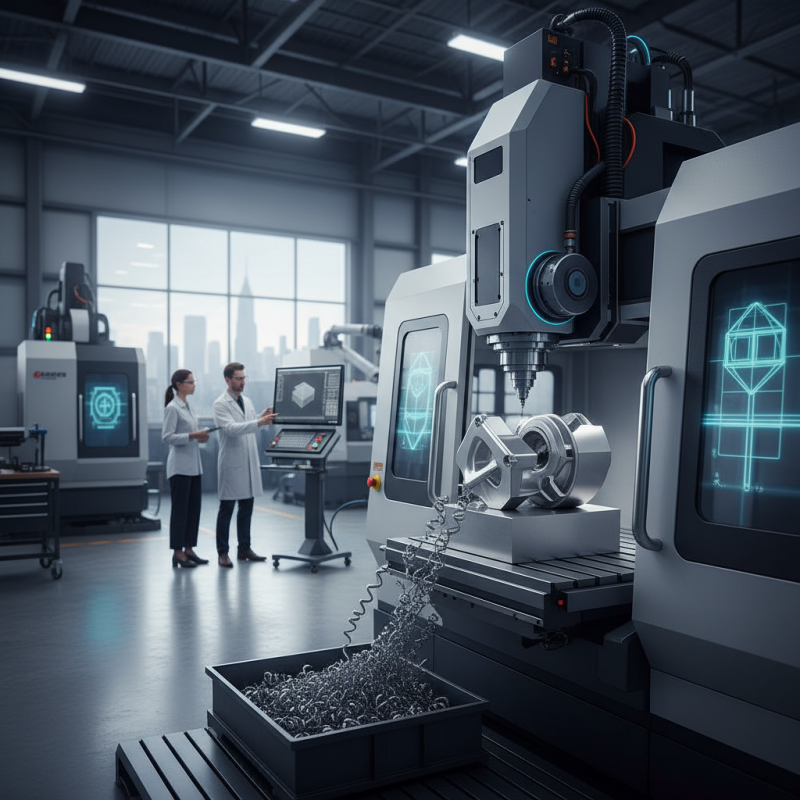
Milling machines play a pivotal role in modern manufacturing processes. They provide precision and versatility that are crucial for fabricating complex parts. These machines can cut various materials, including metals and plastics, with high accuracy. This capability is why they are a staple in industries such as aerospace, automotive, and medical device manufacturing.
The versatility of milling machines is evident in their ability to perform multiple operations. They can drill, grind, and contour materials, allowing for the production of intricate designs. However, not all milling machines are equally effective. Some operators may not fully utilize their potential. This can be due to a lack of training or outdated techniques. Manufacturers are constantly seeking ways to optimize their milling processes.
Reliability is key in a production environment. Machines must be maintained to avoid downtimes. Companies often face challenges in scheduling maintenance and ensuring machines are in peak condition. In some cases, the choice of tooling can impact performance. Experimentation with different tools may yield better results, but it requires time and resources. Balancing these factors can be complex but is essential for maintaining competitive advantage.
Types of Milling Machines and Their Specific Applications
Milling machines play a pivotal role in modern manufacturing. Different types of milling machines cater to various industrial needs. Vertical milling machines are common in workshops. They provide versatility and ease of use. Horizontal milling machines excel in producing heavy-duty parts. They can handle larger workpieces effectively.
According to industry reports, the global milling machine market is projected to reach $7 billion by 2025, indicating robust growth. CNC milling machines are gaining popularity. They offer precise automation for intricate designs. This precision often leads to waste reduction in materials. However, the high initial cost presents a challenge for small manufacturers. Despite this, the investment can yield substantial long-term savings and efficiency gains.
Some applications include aerospace, automotive, and medical sectors. Each requires specific milling techniques and capacities. For instance, aerospace components demand lightweight materials and fine tolerances. Not all milling machines can meet these requirements effectively. The industry continuously evolves, pushing for greater technological advancements. Yet, the complexity of these machines often poses a learning curve. Users must adapt to new systems to harness their full potential.
Advantages of Using Milling Machines in Production Efficiency
Milling machines play a crucial role in modern manufacturing. Their ability to create precise cuts and complex shapes boosts production efficiency significantly. One major advantage is their versatility. They can work with various materials, including metal and plastic. This flexibility allows manufacturers to produce a wide range of products without needing multiple machines.
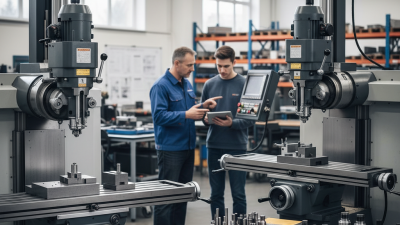
Another key benefit is the speed at which milling machines operate. They can execute intricate designs quickly, reducing lead times. Quick processing translates to efficient workflows. However, operators must be skilled, as improper handling can lead to errors. Investing in training can mitigate this risk and enhance overall productivity.
Tips: Regular maintenance is essential to keep milling machines in top condition. Check for wear on parts to avoid unexpected failures. Additionally, always evaluate the cutting tools used. The right tool can significantly improve efficiency and precision. Remember, a small mistake can lead to costly rework. Pay attention to fine details to maximize your output.
Comparing Milling Machines to Other Manufacturing Equipment
Milling machines play a pivotal role in modern manufacturing. Comparing them to other equipment reveals their unique advantages. CNC machines, for instance, offer high precision, but milling machines excel in versatility. They can handle a variety of materials such as metals, plastics, and composites. This adaptability makes them essential for diverse manufacturing needs.
Other tools, like lathes, focus on specific tasks like shaping cylindrical parts. However, milling machines can perform complex operations. They cut, drill, and engrave all in one setup. This capability reduces production time and increases efficiency. Additionally, milling machines can create intricate designs that are often unattainable with simpler equipment.
Despite their benefits, challenges exist. Programming and setup can be time-consuming. Operators must be skilled to use them effectively. Mistakes in setup can lead to costly errors. Therefore, while milling machines are indispensable, their operation requires careful consideration.
Comparison of Manufacturing Equipment Usage in Modern Manufacturing
This bar chart illustrates the percentage usage of various manufacturing equipment in modern manufacturing processes, highlighting the pivotal role milling machines play within the industry.
Future Trends in Milling Machine Technology and Automation
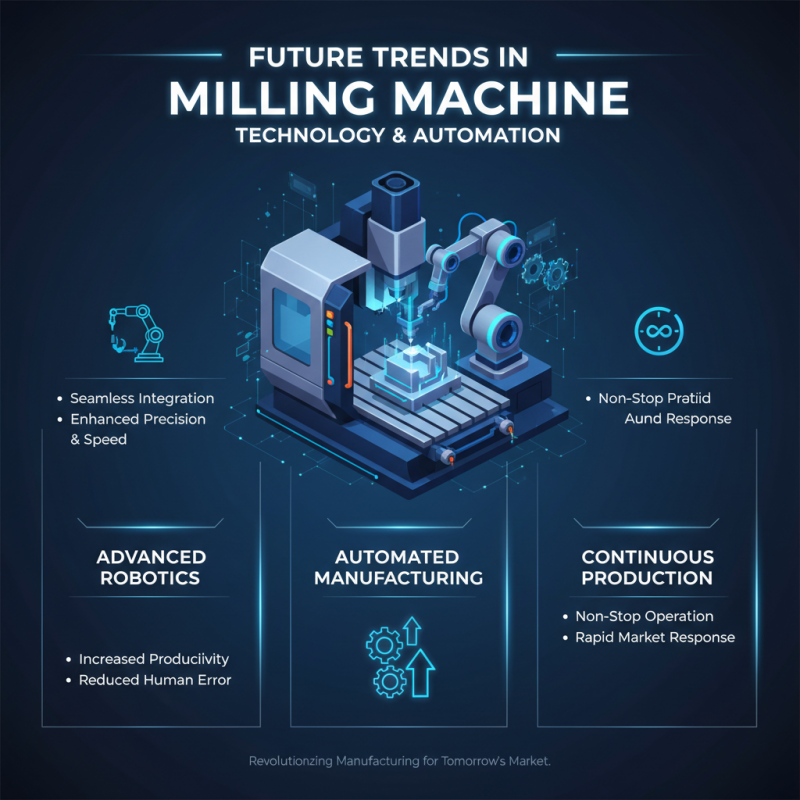
The future of milling machine technology is highly promising. Automation is revolutionizing the way we approach manufacturing. New milling machines are increasingly integrated with advanced robotics. These systems can operate more efficiently and precisely than ever before. The automation enhances productivity while reducing human error. Moreover, they allow for continuous production, which is vital in today’s fast-paced market.
Dust and noise are common in traditional milling. With automation, many of these issues can be mitigated. For instance, newer machines have better dust collection systems. This leads to a cleaner and safer working environment. There’s still room for improvement in user interfaces, though. Many operators find them complex and unintuitive. Feedback from users is key to refining these systems.
Additive manufacturing is another exciting trend. Some milling machines now incorporate 3D printing capabilities. This hybrid approach allows for complex geometries that were previously impossible. However, it can be challenging to balance both processes in one machine. Understanding the limitations of each method is vital. Each advancement brings questions, reminding us that the journey of innovation is ongoing.