5 Tips for Buying a Five-Sided Drilling Machine?
Choosing a Five-Sided Drilling Machine is a production decision, not a simple equipment purchase. The right model must match panel sizes, hole patterns, materials, software, and daily workload. A machine that looks impressive in a showroom may struggle with your actual cabinet parts.
Industry data supports careful evaluation. The Freedonia Group’s woodworking machinery research identifies automation, labor efficiency, and digital integration as major purchasing drivers. Acimall’s annual reports also track continuing investment in advanced woodworking technologies across global markets. These trends matter because drilling accuracy now depends on more than spindle speed. Tool changing, barcode recognition, dust extraction, and software communication can directly affect output and rework.
Manufacturing quality expert W. Edwards Deming stated, “Quality comes not from inspection, but from the improvement of the production process.” That principle fits this machine category closely. Buyers should examine repeatability, calibration access, service response, and operator training before comparing prices. Ask for a live demonstration using your own board thickness and hardware layout. Small details matter. A loose fixture can become a costly pattern error.
The five tips ahead focus on practical checks: machine structure, drilling performance, control software, maintenance support, and total ownership cost. Some recommendations may seem obvious. They are still often missed. A low purchase price can hide tooling expenses, software limitations, or long service delays. I would also question any supplier promising perfect results without discussing material variation. Reliable production requires evidence, not confident brochures.
Define the Five-Sided Drilling Machine’s Core Functions
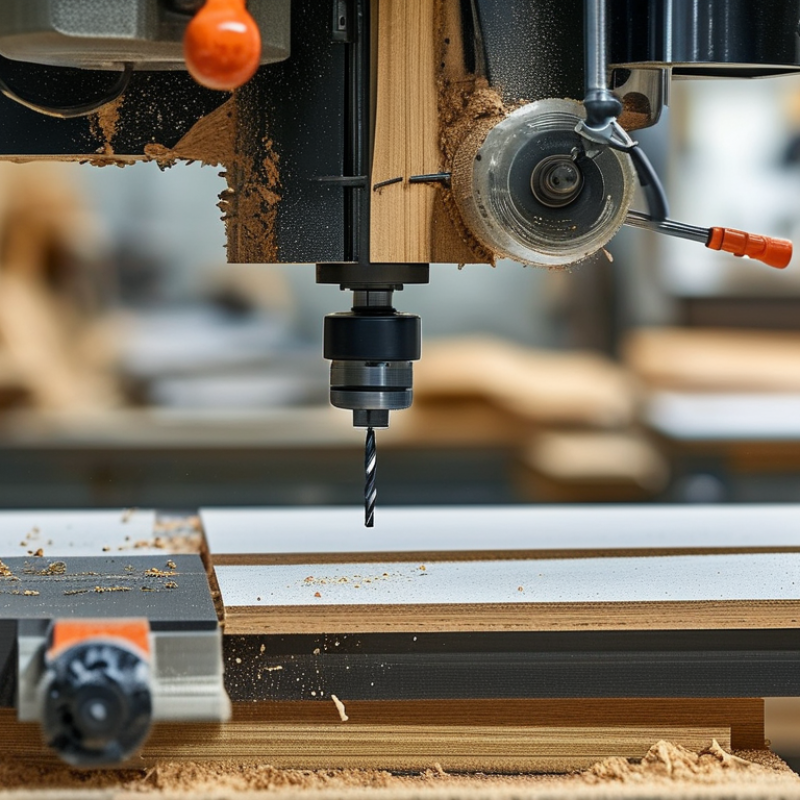
A five-sided drilling machine should be defined by its actual working functions, not its impressive specifications. Its core task is drilling the top and four vertical sides of a panel in one setup. This reduces repositioning errors and can improve production consistency. Confirm the machine’s drilling range, spindle speed, tool capacity, and positioning accuracy. Small details matter.
Check whether it supports vertical drilling, horizontal drilling, boring, routing, and automatic tool changes. These functions should match your panel materials and hole patterns. A reliable control system should import production files accurately and reduce manual programming. Ask for a sample demonstration using your own panels. A showroom test may look perfect.
Clamping performance also deserves careful attention. Weak clamping can cause vibration, chipped edges, or misplaced holes. Examine dust extraction, guarding, emergency controls, and access for routine maintenance. Operators should reach filters and moving parts safely. A practical buyer should compare cycle time under real workloads, not empty-table speed. I would also review service response and spare-part availability before purchasing. Specifications can be clear, but daily operation may reveal limitations. Be willing to question features you may never use.
5 Tips for Buying a Five-Sided Drilling Machine: Define the Core Functions
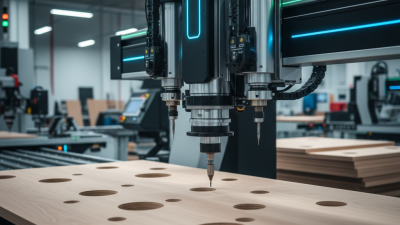
A five-sided drilling machine is designed to access five workpiece faces in a single setup: top, front, back, left, and right. This reduces repositioning and helps improve hole-location consistency. Actual drilling, doweling, boring, routing, and tool-change capabilities depend on the selected machine configuration.
Compare Safety Systems, Maintenance Needs, and Operator Usability
5 Tips for Buying a Five-Sided Drilling Machine
When comparing machines, inspect the safety system before studying speed or output. Look for guarded drilling zones, interlocked access doors, emergency stops, and clear status lights. A reliable system should stop motion quickly when a door opens. Ask to see this test during a demonstration. Do not accept a verbal promise. Check whether alarms are visible from the operator’s normal position.
Maintenance affects production more than many buyers expect. Check how easily operators can reach filters, lubrication points, drills, and dust channels. A machine requiring awkward access may lose hours each month. Review the service schedule, spare-part availability, and diagnostic records. Ask who performs electrical and mechanical repairs. Simple access matters. Dust buildup is often underestimated.
Operator usability deserves equal attention. The control screen should show tool position, alarms, setup steps, and remaining cycle time in plain language. Test the loading height with the actual panel sizes used in your workshop. Watch an experienced operator complete a changeover without coaching. Notice reaching, bending, and repeated button presses. These details become fatigue. Do not judge usability from a polished showroom demonstration. Run sample jobs with different materials, hole patterns, and dust levels. Compare setup time, cleaning effort, and error recovery. I would record operator feedback after several shifts, not only after one trial. Even strong safety features can fail when training is rushed or procedures are ignored.
Review Total Cost, Supplier Support, and Long-Term Value
5 Tips for Buying a Five-Sided Drilling Machine
Review Total Cost, Supplier Support, and Long-Term Value
A low purchase price can hide expensive surprises. Calculate tooling, installation, training, electricity, maintenance, and downtime before comparing offers. Ask for a written estimate covering five years. I once underestimated fixture replacement costs, and that mistake affected the project budget.
Inspect the machine’s working range, spindle capacity, positioning accuracy, and control system. Match these details with your actual materials and daily workload. Request sample machining data, inspection records, and references from similar workshops. A practical test is valuable. Watch how operators load panels, change tools, and recover from an alarm. Small delays become costly during repeated production.
Supplier support often determines long-term value. Confirm response times, spare-parts availability, remote assistance, and technician coverage in your region. Clarify warranty exclusions and service rates before signing anything. Ask whether training includes preventive maintenance, not just basic operation. Some suppliers promise fast support, but their answers become vague after delivery. That deserves attention. Compare software updates, safety documentation, and future upgrade options. Also measure the supplier’s technical knowledge through detailed answers, not confident language. A cheaper machine may still cost more if repairs interrupt production. Leave room for uncertainty, because real workloads rarely match the sales forecast.