Essential Tips for Purchasing 4 Axis Machines in 2026?
As the manufacturing landscape continues to evolve, investing in advanced technology such as 4-Axis Machines is crucial for competitive edge. According to recent industry reports, the global market for machining centers, including 4-Axis Machines, is set to grow at a CAGR of 5.6% through 2026. This indicates a strong demand for machines that offer enhanced precision and efficiency.
In 2026, choosing the right 4-Axis Machine requires careful consideration of various factors. This includes understanding the machine’s capabilities, their suitability for specific projects, and the associated costs. Reliability is key; having access to quality support and maintenance services can elevate a business's manufacturing prowess. Yet, even with the best research, some choices may lead to unexpected challenges.
Industry trends also highlight a growing emphasis on automation. This automation can enhance productivity but may also require additional training for staff. It's not a straightforward choice. As firms navigate these complexities, they must weigh their immediate needs against long-term objectives to make informed decisions about their future investments in 4-Axis Machines.
Understanding 4 Axis Machine Technology: Key Trends for 2026
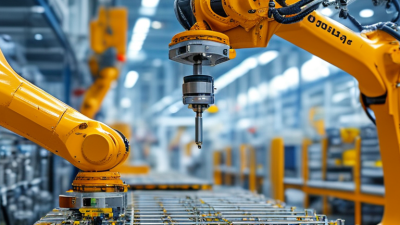
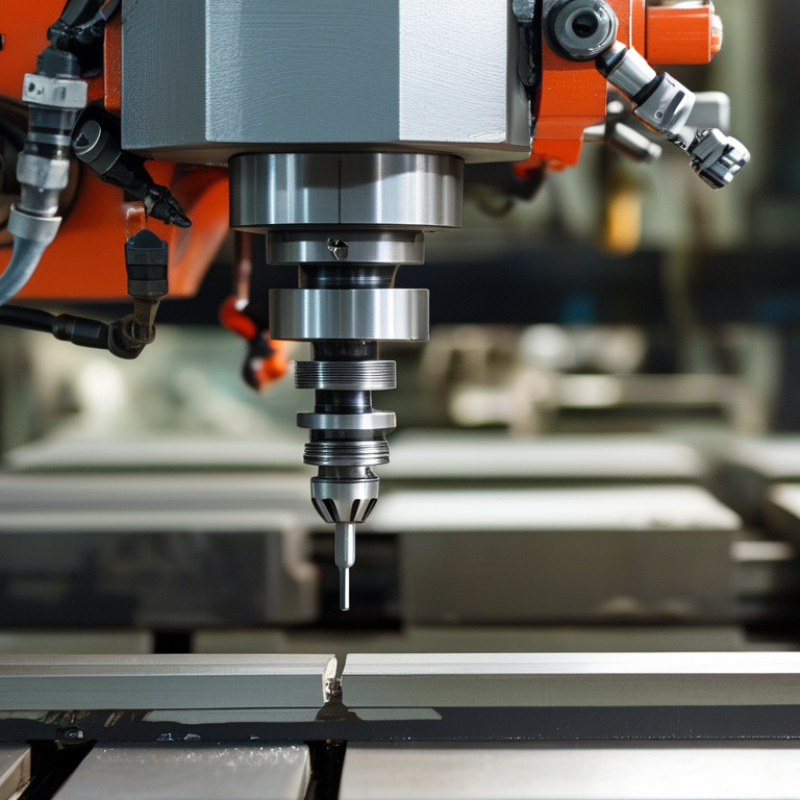
In 2026, the landscape of 4-axis machine technology is evolving rapidly. Key trends highlight increased automation and enhanced precision. Many manufacturers are embracing artificial intelligence to optimize production processes. This shift allows for real-time monitoring and adjustments, significantly reducing downtime.
While these advancements are promising, challenges remain. Integration of new technologies can be complex. Manufacturers must ensure that operators are well-trained to handle sophisticated systems. Miscommunication or lack of knowledge can lead to inefficiencies. The balance between innovation and practicality is crucial today.
Sustainability is also a vital consideration. Eco-friendly practices are becoming essential in machine operations. Energy-efficient designs and reduced waste processes are gaining attention. However, not all companies are prepared to invest in these sustainable technologies. Commitment to greener practices requires a shift in operational mindset.
Assessing the Cost-Benefit Analysis of 4 Axis Machines in Manufacturing
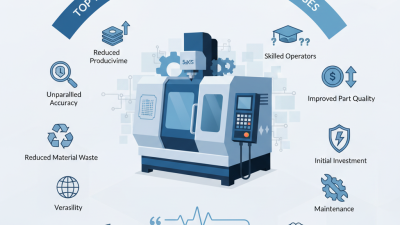
Understanding the cost-benefit analysis of 4 axis machines in manufacturing is crucial for informed purchasing decisions. These machines offer greater flexibility in machining, but their initial costs can be substantial. Comparing the price with the potential productivity gains is essential. Consider the types of projects they may enhance. Is the increased capability worth the investment?
Maintenance and operational costs also factor into the analysis. While 4 axis machines can produce complex parts efficiently, they require skilled operatives. Regular training and support impact overall expenses. Additionally, downtime for repairs can offset gains in productivity. Evaluate the reliability of machine suppliers and their service support. This reliability ensures fewer interruptions and better long-term returns.
Assess the manufacturing environment. Will the current setup accommodate a 4 axis machine? Integration with existing systems can present challenges. Evaluate the layout and workflow. Are additional resources needed for optimal operation? This reflection on layout efficiency is vital for maximizing returns. Sometimes, a 4 axis machine may not fit all production processes. Careful consideration and analysis are essential.
Evaluating Precision and Accuracy Standards in 4 Axis Machines
When purchasing 4 axis machines, precision and accuracy are vital. Many industry standards highlight how these measurements can impact production. For instance, the International Organization for Standardization (ISO) sets benchmarks that directly influence machine performance. According to a recent report, machines meeting ISO 9001 standards can increase manufacturing efficiency by up to 20%. This is crucial for companies aiming for competitive advantage.
The accuracy of a 4 axis machine is not just a number; it’s a reflection of its capability. Precision machining often requires tolerances within 0.001 inches. Achieving this level can significantly affect product quality. Industry data shows that machines with improved stability and repeatability can reduce error rates by as much as 50%. This reduction translates to high-quality outputs and less rework.
Evaluating the specifications of a machine is often complex. Users must analyze the metrics provided in technical documents. Some machines may pass initial inspections but fail under prolonged use. This potential for variability underscores the need for a detailed assessment process. Industry experts recommend extensive testing before committing to a purchase to ensure expected performance levels are met. Adaptability in machine usage can also present challenges, requiring operators to be well-trained to avoid costly mistakes.
Choosing the Right Software for 4 Axis Machine Operations in 2026
Choosing the right software for 4 axis machine operations in 2026 is crucial. You need software that maximizes the capabilities of these advanced machines. Powerful features should include intuitive interfaces and robust simulation tools. This ensures accuracy during complex machining processes. Users often overlook the importance of compatibility with existing hardware. Double-check this aspect to avoid future headaches.
Consider the level of technical support offered. Some software providers may have limited resources. This can delay your projects if issues arise. Look for options that provide comprehensive tutorials and responsive customer service. Peer reviews can be invaluable. However, you may find conflicting opinions about certain features. Trust reputable sources, but be prepared to assess the software yourself.
Data security is another concern. Choose software that prioritizes safe data management. Malware threats are increasingly common. Ensure that your chosen software has strong encryption protocols. Lastly, think about scalability. As your operations grow, the software should adapt to new challenges. Strive for a balance between current needs and future growth. Each choice influences overall efficiency. Be mindful of these details to navigate the market successfully.
Maintenance and Support Considerations for Long-Term Use of 4 Axis Machines
Maintenance is a critical aspect of owning a 4 Axis machine. Regular checks can prevent significant downtime. Routine inspections should be conducted at set intervals. Look for signs of wear and tear on parts. Don't ignore unusual noises during operation. Such details often signal underlying issues.
Planning for spare parts is wise. Stock essential components to minimize disruptions. Understanding common failures can aid in this process. Create a maintenance log. Document all repairs and service dates. This practice helps you track patterns and predict future needs.
Support is another vital consideration. Choose suppliers who offer robust post-purchase assistance. Knowledgeable technical support is invaluable. Ensure training is available for your team. Proper training reduces mistakes and enhances efficiency. Lastly, online resources and forums can provide additional insights. Collective experiences can guide best practices.
Essential Tips for Purchasing 4 Axis Machines in 2026
| Feature |
Importance |
Considerations |
| Precision |
High |
Ensure the machine meets required tolerances for your projects. |
| Speed |
Medium |
Evaluate the trade-off between speed and precision based on application. |
| Ease of Use |
High |
Look for intuitive interfaces and comprehensive training support. |
| Maintenance Support |
High |
Check for availability of spare parts and service contracts. |
| Technology Updates |
Medium |
Ensure compatibility with future tech advancements. |
| Cost of Ownership |
High |
Assess both initial investments and long-term operational costs. |
| User Community |
Medium |
Active communities can provide support and shared resources. |