China’s 5 Axis Machines market reflects a wider shift toward faster, more integrated production. Grand View Research’s CNC Machine Tools Market Size, Share & Trends Analysis Report, 2024–2030, projects steady global growth, driven by aerospace, automotive, medical, and precision-engineering demand. These sectors increasingly require fewer setups, tighter tolerances, and smoother machining of curved surfaces.
This guide examines ten leading Chinese manufacturers of 5 Axis Machines. The selection considers simultaneous five-axis capability, spindle performance, positioning accuracy, controller compatibility, machine rigidity, and after-sales support. Factory experience also matters. A machine that performs well in a showroom may behave differently beside a dusty production line, under continuous cutting loads.
Professor Yusuf Altintas, a leading authority in machining science, has described machine tools as “the mother machines of manufacturing.” That idea remains relevant. A five-axis center is not merely a three-axis machine with two additional rotary movements. It combines kinematics, software, tooling, thermal control, and operator skill. Poor calibration can leave visible witness marks across an impeller blade.
Reports from MarketsandMarkets and the International Federation of Robotics also indicate stronger automation investment and rising demand for flexible manufacturing systems. However, rankings require caution. Public data on Chinese manufacturers is uneven, and advertised accuracy does not always equal verified production accuracy. The shortlist is therefore practical, not absolute. Readers should still compare test-cut results, certification records, service response times, and installed references before purchasing.
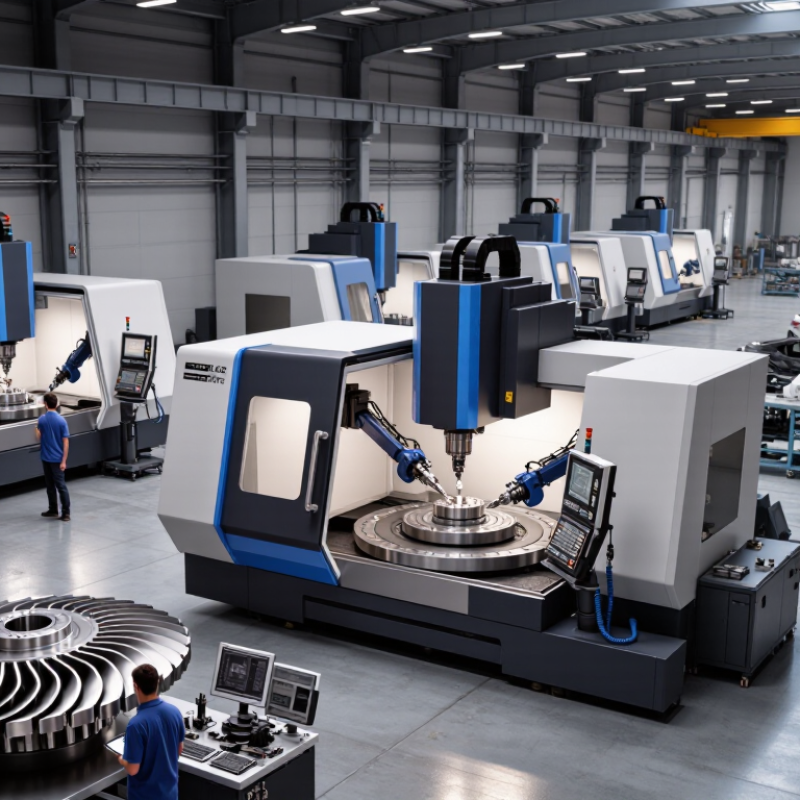
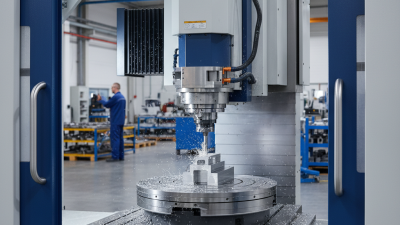
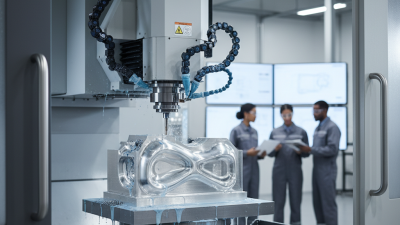
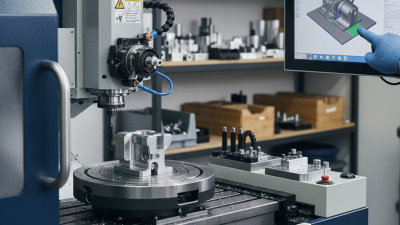
A five-axis CNC machine moves a cutting tool across three linear axes and two rotary axes. The rotary axes tilt or rotate the workpiece, the spindle, or both. This arrangement reaches curved surfaces without repeated fixture changes. It improves access around turbine blades, medical components, molds, and aerospace structures. Fewer setups can reduce alignment errors. However, five-axis capability does not automatically create better parts. Programming quality, machine rigidity, and operator judgment remain critical.
According to Grand View Research, the global CNC machine market was valued at more than 80 billion US dollars in 2023. Its report expects continued growth through 2030, driven by automation and complex-part production. A separate MarketsandMarkets analysis identifies multi-axis machining as an important direction within advanced manufacturing. These figures show demand, not guaranteed return on investment. In factory evaluations, cycle time, tool reach, thermal stability, and post-processor accuracy deserve closer attention. The brochure is never the whole machine.
Tips: Check simultaneous and 3+2 machining separately. Ask for verified sample cuts using your material, tolerances, and tools. Review spindle torque at low speed, not only maximum RPM. Small details matter. Also test chip evacuation and operator training. A perfect demonstration may hide difficult maintenance, and that weakness should be questioned before purchase.
Ranking China’s five-axis machine manufacturers requires more than catalog comparisons. Practical experience should carry serious weight. A capable machine must maintain accuracy during simultaneous movement, not only during showroom demonstrations. We assess positioning accuracy, repeatability, thermal stability, spindle performance, and rotary-axis stiffness. Test cuts using titanium, aluminum, and hardened steel reveal more than polished specifications. Evidence matters.
A strong ranking also examines engineering depth. Does the manufacturer offer useful post-processing support, simulation guidance, and operator training? Can the control system connect smoothly with common CAD/CAM workflows? We review factory quality procedures, calibration records, component traceability, and documented acceptance tests. Service response deserves equal attention. Spare-part availability, remote diagnosis, and technician coverage often determine whether production stays stable after installation. Customer references should come from comparable workshops, not anonymous testimonials.
Price remains relevant, but the lowest quotation can hide expensive downtime. We compare total ownership costs, including installation, training, maintenance, energy use, and software support. Independent site visits are preferable to sales presentations. Numbers can mislead. A manufacturer may report excellent accuracy under controlled conditions, while real production exposes vibration or heat drift. I would also record weaknesses openly, because no supplier performs equally well across every material, envelope, or batch size. A ranking should reflect verified performance, not advertising confidence.
| Rank | Evaluation Criterion | Weight | What Should Be Verified | Objective Evidence or Standard | Maximum Score |
|---|---|---|---|---|---|
| 1 | Simultaneous Five-Axis Capability | 18% | Whether the machine can coordinate three linear axes with two rotary axes during continuous tool movement, rather than only positioning the rotary axes between cuts. | Demonstration of a verified simultaneous five-axis cutting cycle, supported by the machine configuration and controller documentation. | 18 points |
| 2 | Positioning Accuracy and Repeatability | 16% | Measured linear-axis and rotary-axis accuracy under defined test conditions, including the effect of thermal stabilization. | Independent or factory test results based on ISO 230-2. Results should identify measurement equipment, environmental conditions, travel length, and test uncertainty. | 16 points |
| 3 | Machine Structure and Rigidity | 13% | Structural stiffness, vibration control, spindle support, guideway design, and resistance to deformation during heavy or interrupted cutting. | Machine layout drawings, casting or welded-structure specifications, spindle-bearing information, and cutting trials using the target workpiece material. | 13 points |
| 4 | Rotary Table or Tilting-Head Performance | 12% | Rotary-axis torque, maximum speed, clamping strength, angular travel, table load, and stability during continuous interpolation. | Published rotary-axis specifications, load tests, angular positioning reports, and confirmation that the rotary system is suitable for the intended workholding method. | 12 points |
| 5 | Spindle and Cutting Performance | 11% | Spindle speed range, rated power, torque curve, tool interface, thermal behavior, and suitability for aluminum, steel, stainless steel, titanium, or other target materials. | Spindle power and torque data, tool-holder specification, runout measurement, thermal-growth test, and a documented sample-part cutting test. | 11 points |
| 6 | Control System and Five-Axis Functions | 9% | Look-ahead processing, tool-center-point control, collision avoidance, rotary-axis compensation, post-processor compatibility, and program transfer capability. | Controller technical documentation, supported five-axis functions, sample NC programs, simulation results, and compatibility with the customer’s CAM workflow. | 9 points |
| 7 | Quality Management and Compliance | 7% | Consistency of manufacturing processes, traceability of critical components, inspection procedures, and conformity of supplied machines to contractual specifications. | A current ISO 9001 certificate, documented inspection records, factory acceptance procedures, serial-number traceability, and calibration records for inspection equipment. | 7 points |
| 8 | After-Sales Service and Spare Parts | 6% | Availability of commissioning, operator training, remote diagnostics, preventive maintenance support, service response, and critical spare parts. | Written service-level commitments, support contact structure, spare-parts list, warranty terms, installation procedure, and documented response times. | 6 points |
| 9 | Application Experience and Sample-Part Results | 5% | Demonstrated experience with aerospace, medical, energy, mold, automotive, or other industries relevant to the buyer’s parts and tolerances. | Repeatable sample-part results showing cycle time, surface finish, dimensional inspection, tool life, and the inspection method used. | 5 points |
| 10 | Total Cost of Ownership | 3% | Purchase price together with installation, training, tooling, energy consumption, maintenance, software, calibration, and expected downtime costs. | A five-year cost model using the same machine configuration, warranty period, service scope, consumables, and operating assumptions for every candidate. | 3 points |
Profiles of Ten Leading Chinese Five-Axis Machine Manufacturers
China’s five-axis machining sector includes large industrial groups, focused automation builders, and specialized precision workshops. This profile examines ten representative manufacturers through engineering depth, machine stability, service coverage, and production evidence. The selection is not a rigid ranking. A factory may excel in aerospace parts yet perform poorly on small medical components.
One manufacturer profile highlights rigid gantry structures and rotary tables for aluminum aircraft parts. Another focuses on compact mill-turn platforms for crowded workshops. A third emphasizes high-speed spindle design, while a fourth develops machines for steel dies and molds. The remaining profiles cover robotic loading, customized fixtures, heavy-duty cutting, and unattended production cells. One supplier stands out for thermal compensation testing. Another provides strong application support, but its documentation needs improvement. Small details count.
Reliable evaluation requires more than catalog figures. Buyers should inspect sample cuts, positional accuracy reports, spindle warm-up data, and service response records. A machine producing a clean impeller at low feed rates may struggle during continuous roughing. That matters. Factory visits can reveal assembly discipline, calibration routines, and operator training. Some manufacturers communicate confidently, yet their real-world data remains limited. That is worth questioning. The strongest candidates usually explain limitations clearly, offer traceable test results, and adapt fixtures, software, and tooling to the customer’s process. Their profiles show practical experience, not merely impressive specifications.
China’s top ten 5-axis machine manufacturers should be compared by capability, not publicity. A vertical trunnion machine suits compact aerospace parts and medical components. Gantry designs handle large molds, turbine structures, and rail equipment. Mill-turn centers reduce setups for complex shafts and impellers. Each type creates different risks in rigidity, accessibility, and operator training.
Technical evaluation needs measurable evidence. The ISO 230-2 positioning test helps verify accuracy, while thermal drift data reveals performance during long cycles. The International Federation of Robotics reported 276,288 industrial robots installed in China in 2023, representing about 51% of global installations. This manufacturing density supports strong automation integration, but robot availability does not prove machining quality. Buyers should request sample parts, inspection charts, spindle-load records, and service response times.
Industry fit matters more than impressive specifications. Aerospace users may require high-speed spindles, collision avoidance, and traceable inspection. Mold makers often prioritize surface finish and five-axis interpolation. Energy suppliers may need large work envelopes and stable cutting under heavy loads. Deloitte’s 2023 Smart Manufacturing Survey found that 86% of manufacturing leaders expect smart production to become a major competitiveness factor within five years. That forecast is useful, but optimistic. Some factories still struggle with basic data collection. A practical ranking should therefore weigh machine accuracy, software openness, local support, lifecycle cost, and real cutting results—not brochure speed alone.
A top-ten list can narrow your search, but it cannot replace a factory audit. When choosing a Chinese five-axis machine manufacturer, check its experience with your materials, tolerances, and production volume. Ask for sample parts cut from aluminum, stainless steel, or titanium. Inspect the surface finish, dimensional report, and cycle time. Real evidence matters more than polished brochures.
Review the machine’s spindle speed, axis travel, positioning accuracy, control system, and thermal compensation. Confirm how calibration is performed and how often it is repeated. A reliable manufacturer should provide clear drawings, test records, and acceptance standards. Visit the workshop if possible. Look at assembly areas, inspection equipment, and spare-part storage. Weak organization can become your delay later. I have seen promising machines fail because service response was treated as an afterthought.
Tips: Request two or three customer references from similar industries. Ask about installation, training, remote support, and average repair times. Clarify what the quotation excludes, including tooling, software, shipping, and commissioning. Use a written acceptance test before final payment. Do not judge only by the lowest price. That decision often feels efficient, until production stops. Also, leave room for doubt: a supplier may pass a demonstration yet struggle with your continuous workload.