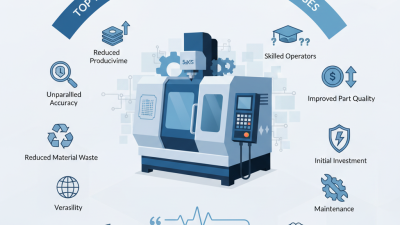
Top 5 Axis Machines for Precision Manufacturing Solutions?
Precision manufacturing is evolving rapidly, driven by advancements in technology and increasing demand for complex parts. The adoption of 5-Axis Machines is at the forefront of this transformation. According to a report by Grand View Research, the global market for 5-axis machining centers is projected to reach $5.92 billion by 2025, growing at a CAGR of 9.5%. This growth underscores the critical role these machines play in various sectors, including aerospace, automotive, and medical devices.
5-Axis Machines offer unmatched versatility and precision. They can perform complex machining tasks in a single setup, reducing production time and enhancing accuracy. This efficiency is vital in industries where tolerances are tight and time-to-market is crucial. However, integrating 5-axis technology can be challenging. Organizations often face steep learning curves and require skilled operators to maximize machine potential. Despite these hurdles, the benefits of reduced cycle times and improved part quality are significant.
As manufacturers seek competitive advantages, choosing the right 5-Axis Machine becomes essential. Factors such as build quality, software capabilities, and support services must be considered. Understanding specific needs and challenges is crucial to leveraging the full potential of 5-axis technology.
Overview of Precision Manufacturing and Axis Machines
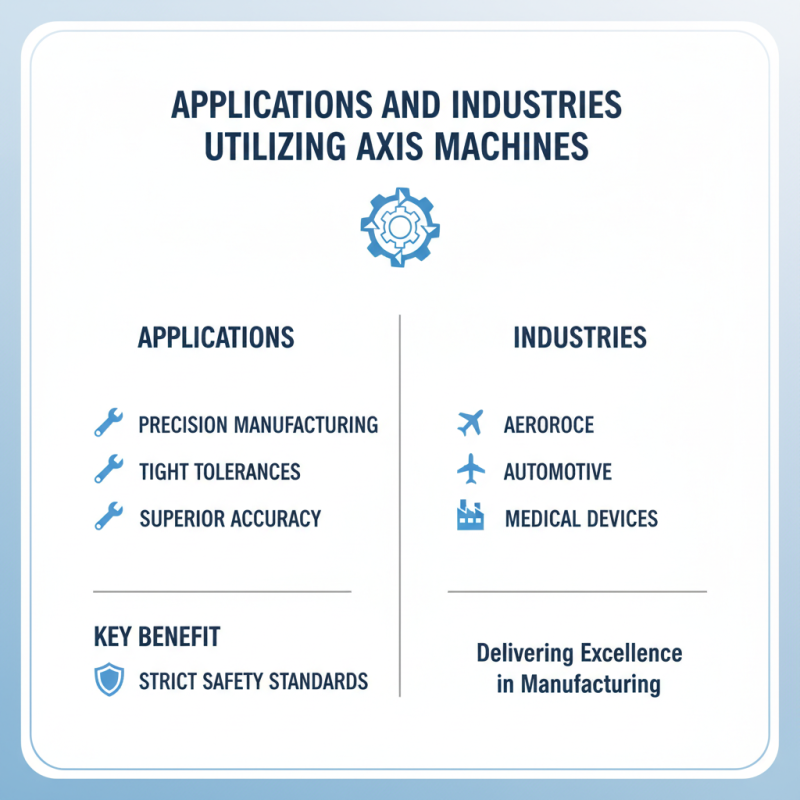
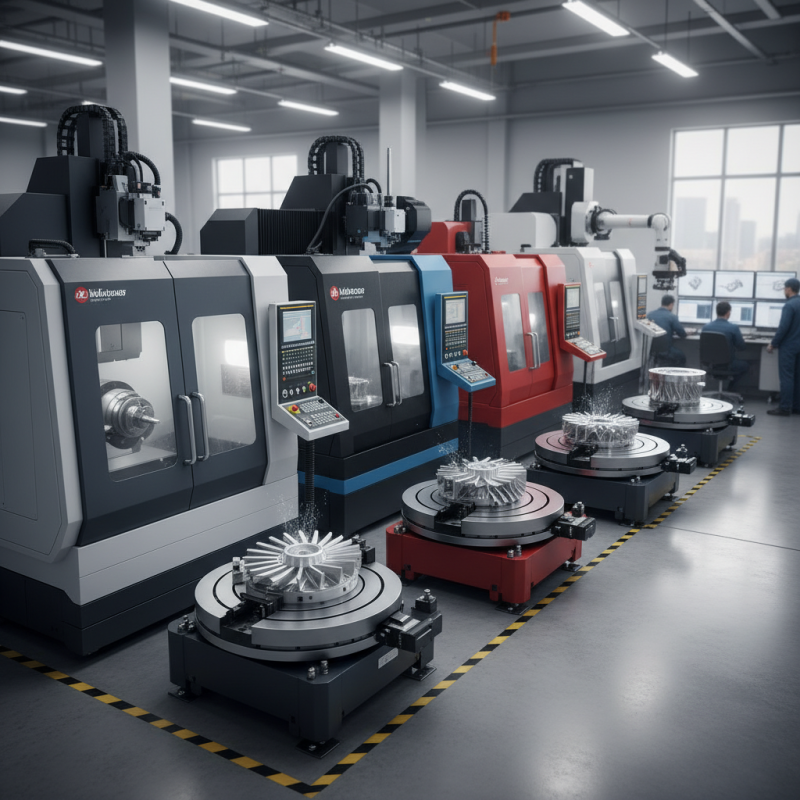
Precision manufacturing relies heavily on advanced technology. Among these, axis machines play a crucial role. These machines allow for intricate designs and high tolerances. They are essential in fields like aerospace and medical device manufacturing. Their ability to operate on multiple axes enhances productivity and precision.
The precision of axis machines can vary. Factors include the machine’s build quality and the software it uses. Users often encounter challenges in achieving perfect alignment. This requires experience and continual adaptation. Machine operators must regularly assess their processes. This often leads to identifying areas needing improvement.
Precision manufacturing remains an evolving field. As technology advances, the capabilities of axis machines will likely expand. Yet, the need for skilled operators who understand both the machine and the craft will persist. Training and experience remain vital for optimizing performance and ensuring reliability. Continuous learning is key in this competitive landscape.
Key Features to Look for in Axis Machines
When selecting axis machines for precision manufacturing, several key features should be prioritized. A study from the International Journal of Advanced Manufacturing Technology highlights the importance of machine rigidity. Rigidity ensures stability during operations. It directly impacts the accuracy of the finished products. Machines with superior rigidity can reduce vibration and improve overall product quality.
Another critical feature is the control system. Advanced control systems allow for more intuitive operation and higher precision. Recent data indicates that machines with real-time monitoring capabilities can enhance efficiency by up to 30%. This improvement comes from minimizing downtime and optimizing the production cycle. Moreover, user-friendly interfaces contribute to smoother workflows and fewer errors in settings.
Lastly, considering the machine's adaptability is essential. A flexible machine can accommodate various materials and complexities. A report by the Manufacturing Institute outlines that adaptability correlates with a 25% increase in productivity during peak demands. These insights suggest a strategic, thoughtful approach in selecting axis machines. Balancing performance with adaptability remains a challenge in this highly competitive field.
Top 5 Axis Machines for Precision Manufacturing Solutions
This chart illustrates the key features and capabilities of the top five axis machines used in precision manufacturing. Each machine is evaluated based on various factors such as Precision, Speed, Versatility, Ease of Use, and Maintenance.
Top 5 Axis Machines for Precision Manufacturing
The realm of precision manufacturing has evolved significantly with the advent of advanced axis machines. These machines enhance accuracy and efficiency in production processes. Precision is paramount in industries like aerospace and automotive, where even minor errors can lead to major setbacks. Thus, understanding the capabilities of different axis machines is essential for any manufacturer.
Five-axis machines provide unmatched flexibility and precision. They can manipulate tools in multiple orientations, reducing the need for multiple setups. This versatility decreases production time and optimizes workflow. Despite these advantages, operating these machines can present challenges. Users must possess the right skills to maximize their capabilities, and training can be a significant investment.
Moreover, the integration of high-quality software is crucial. Good software improves the machine's functionality, yet not all systems are intuitive. Users often encounter a steep learning curve. The intricacies involved in setting up and calibrating these machines can be daunting. Achieving precision may require repeated trial and error. This reveals the importance of experience in navigating these complexities and enhancing manufacturing outcomes.
Top 5 Axis Machines for Precision Manufacturing Solutions
| Machine Model |
Axis Configuration |
Max Speed (RPM) |
Cutting Area (mm) |
Control System |
| Model A |
5-Axis |
12000 |
600 x 500 x 400 |
CNC |
| Model B |
5-Axis |
15000 |
800 x 600 x 500 |
PLC |
| Model C |
5-Axis |
10000 |
750 x 500 x 400 |
CNC |
| Model D |
5-Axis |
11000 |
650 x 550 x 450 |
CNC |
| Model E |
5-Axis |
13000 |
700 x 600 x 500 |
PLC |
Comparative Analysis of the Selected Axis Machines
In the realm of precision manufacturing, the selection of axis machines is crucial. Different machines offer varying levels of accuracy and functionality. A comparative analysis can highlight key differences. For instance, some machines excel in five-axis capabilities. They allow for complex geometries that are vital in intricate projects. However, they may be more expensive to operate and maintain.
Efficiency is another critical factor. Certain axis machines are designed with speed in mind, reducing cycle times significantly. Yet, speed can sometimes compromise accuracy. It’s essential to balance these attributes based on specific manufacturing needs.
User experiences play an important role here. Feedback from operators can illuminate potential drawbacks. In some cases, high-tech machines require specialized training to harness their full capabilities.
Additionally, reliability remains paramount. Machines that consistently deliver quality output tend to be favored. That said, even the best machines can encounter issues. Regular maintenance is necessary to prevent downtime.
Evaluating machine performance, user satisfaction, and maintenance requirements can lead to informed decisions. In the end, understanding these factors allows manufacturers to choose the best solutions for their precision needs.