2026 Top Reliable CNC Router Options for Your Workshop Needs?
In the rapidly evolving world of manufacturing, finding a "Reliable CNC Router" is essential for any workshop. According to James Anderson, a leading expert in CNC technology, "The right CNC router can redefine your approach to precision and efficiency." With advancements in design and versatility, these machines are no longer just tools; they are pivotal to competitive manufacturing processes.
As we explore the top CNC router options for 2026, it's vital to understand what makes a router reliable. Features such as build quality, software compatibility, and support are crucial. Many workshops invest in equipment without fully considering these aspects, leading to frustration and inefficiency.
Emerging technologies, such as AI integration, will play a role in selecting the best CNC routers. This shift toward intelligent manufacturing allows buyers to focus on specific needs. However, navigating options can be overwhelming. Identifying the characteristics of a reliable CNC router can save time and resources in the long run.

Overview of CNC Routers and Their Importance in Modern Workshops
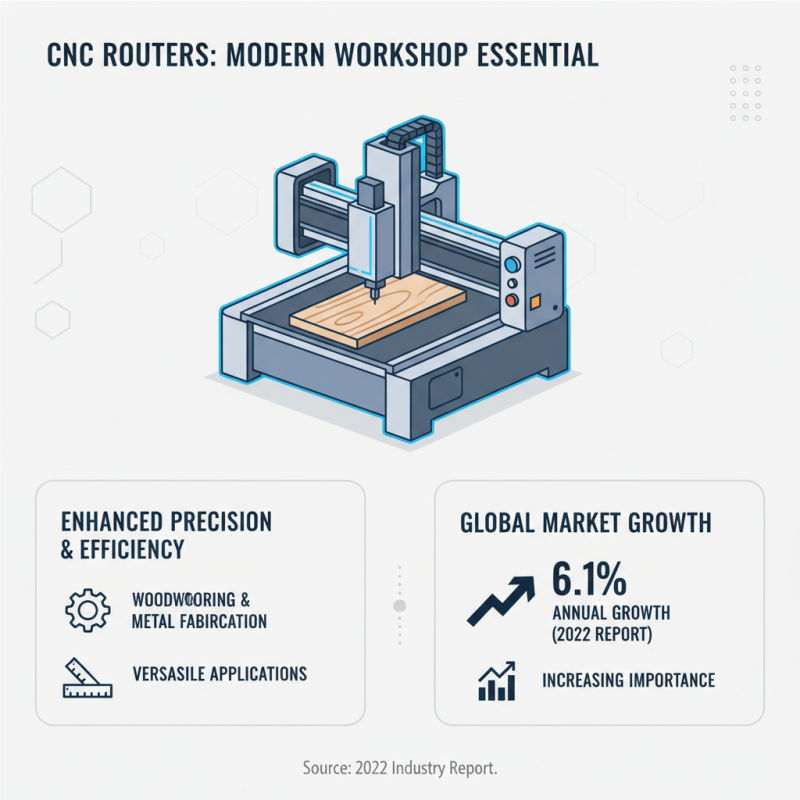
CNC routers play a crucial role in modern workshops. They enhance precision and efficiency in a variety of applications, from woodworking to metal fabrication. According to a 2022 industry report, the global CNC router market is projected to grow by 6.1% annually. This trend highlights their increasing importance.
In workshops, CNC routers allow for intricate designs that manual techniques cannot achieve. Consider the accuracy: they can operate within tolerances of just a few thousandths of an inch. However, not all workshops have access to these tools. The initial investment can be daunting. Knowledge and skill gaps can also hinder optimal use.
Moreover, maintenance is key. Even the best machines require care. Neglect can lead to operational failures, affecting production schedules. Workshops must assess their budget, skill level, and maintenance capabilities before investing in CNC technology. This reflection is vital for long-term success.
Key Features to Look for in a Reliable CNC Router
When choosing a CNC router, several key features are vital. First, consider the machine's rigidity. A robust frame reduces vibrations during operation. This leads to cleaner cuts. The materials used in construction also matter, as they impact durability and accuracy.
Next, explore the router's software compatibility. An intuitive control system improves user experience significantly. Look for models that support various design software. This allows for flexibility in projects. Additionally, check the router’s cutting depth and speed. A machine with variable speed settings caters to different materials.
Don’t overlook the importance of customer support. Reliable assistance can save time and frustration down the line. A good warranty reflects the manufacturer's confidence in their product. Ultimately, taking the time to evaluate these features will pay off in achieving precise and satisfying results in your workshop.
2026 Top Reliable CNC Router Options
Top 2026 CNC Router Brands and Models for Consideration
Choosing a CNC router for your workshop is crucial. The market is filled with notable brands and models that cater to various needs. According to a recent industry report, the global CNC router market is projected to grow by 12% annually until 2026. This significant increase highlights the rising demand for reliable CNC solutions.
When considering options, users should evaluate precision and versatility. Many top brands focus on features like easy software integration and multi-material capability. Some routers can handle materials ranging from wood to metal. However, it's essential to know that not every model meets high accuracy standards. Reports indicate that up to 30% of users encounter issues with calibration. This can lead to time wastage and increased production costs.
Another vital aspect is customer support. A reliable brand often offers robust after-sales service. Inadequate support can hinder operations and lead to frustration. Research suggests that nearly 25% of CNC users experience difficulties when technical assistance is lacking. Ensuring that the company provides comprehensive support is as crucial as the machine's quality itself. Thus, careful consideration of both brand reputation and customer feedback is essential in making the right choice.
Comparative Analysis of CNC Router Performance and Durability
In the world of CNC routers, performance and durability are crucial factors. A recent industry report highlights that nearly 30% of users reported issues with drop-in accuracy over time. This can significantly impact the quality of work. Many CNC routers boast high-speed capabilities but fail to maintain long-term precision. Therefore, it's essential to analyze performance data thoroughly before making a purchase.
When evaluating CNC routers, consider their construction materials. Machines built with robust steel frames tend to outperform aluminum counterparts. Data suggests that steel-based routers last 20% longer under heavy use. However, this often leads to higher upfront costs. Maintenance is another aspect worth considering. Some routers require frequent calibration, which can affect workflow. Regular inspections can mitigate performance dips. Yet, not all workshops can afford such downtime.
Durability plays a significant role in the overall cost-effectiveness of CNC routers. Reports indicate that nearly two-thirds of businesses experience a drop in productivity due to machine failures. Investing in durable machines can save time and money in the long run. However, manufacturers often underreport failure rates during the sales process. Users must perform independent research to gather authentic insights. In the end, understanding the balance between cost and reliability is key for workshop success.
Budgeting for Your CNC Router: Cost vs. Value Assessment
When budgeting for a CNC router, evaluating cost versus value is crucial. The initial expense can be a barrier for many workshops. However, the right machine can offer significant long-term savings. Look for machines with good durability. Reliable routers minimize downtime and maintenance costs.
Many buyers focus solely on the price tag. This often leads to regrettable decisions. A cheaper option might save money upfront but could falter in performance. Take into account the materials and projects you'll be working on. Consider how each router aligns with your specific needs. A CNC router that excels in one area may not perform well in another.
Additionally, reflect on the learning curve associated with new machinery. Investing in a more sophisticated router can elevate your skill set. It might be challenging initially, but the rewards are often worth the effort. In the end, the best value is about aligning your budget with effective solutions that meet long-term workshop goals.