2026 Top Strategies for Optimizing Machines to Enhance Efficiency
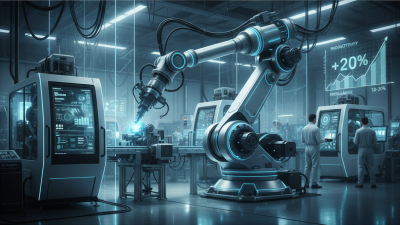
In 2026, the manufacturing landscape demands innovative approaches to improve efficiency. Optimizing machines stands at the forefront of this challenge. According to a recent report by McKinsey, companies that enhance equipment performance can achieve up to a 30% increase in productivity. This statistic highlights the critical need for effective strategies in machine optimization.
The implementation of IoT and AI technologies has transformed traditional manufacturing. These advancements allow real-time monitoring and predictive maintenance, which improve operational uptime. Yet, approximately 70% of organizations struggle with integrating these technologies. This gap indicates a need for better planning and execution in machine optimization strategies.
A focused approach in optimizing machines not only drives efficiency but also affects sustainability. The World Economic Forum states that enhancing energy efficiency in machinery can reduce operational costs by 15%. However, countless businesses overlook this opportunity, often due to limited resources or knowledge. Reflecting on these challenges reveals the complexity of optimizing machines while maintaining competitive advantages in a rapidly evolving marketplace.

Key Principles of Machine Optimization for Enhanced Efficiency
Machine optimization is crucial for enhancing efficiency in production processes. Key principles guide this optimization journey. According to a report by McKinsey, companies that invest in machine efficiency can increase operational productivity by up to 20%. This statistic highlights the potential benefits of systematic optimization practices.
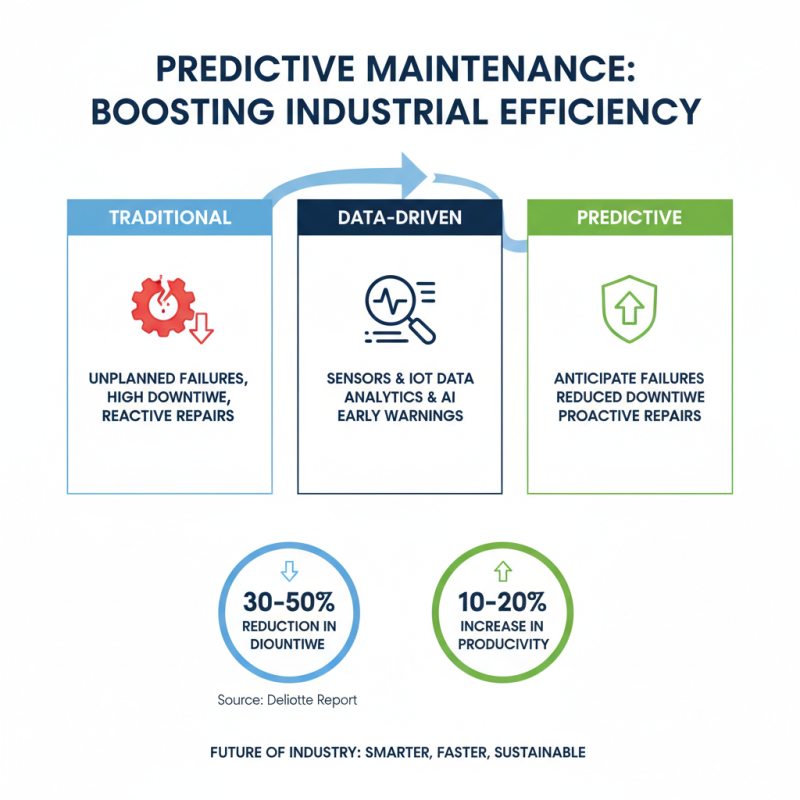
One essential aspect is data-driven decision-making. Gathering and analyzing machine performance data allows for targeted improvements. For example, predictive maintenance can reduce downtime by 15% to 30%, as noted in a study from Deloitte. Regularly monitoring machine conditions leads to timely interventions, preventing costly repairs and extending equipment life.
- Tip: Implement IoT sensors to collect real-time data for better analysis.
Another important principle is employee training. Staff must understand new systems and optimization tools. A skilled workforce can make quick adjustments that lead to increased efficiency. Companies often overlook this and fail to bridge the skills gap. According to a report from PwC, 62% of companies still struggle with employee upskilling. Addressing this issue can yield significant returns on investment.
- Tip: Schedule regular training sessions to keep your team updated on the latest tools.
Creating a culture of continuous improvement is vital. Fostering an environment where employees feel empowered to suggest changes can lead to innovative solutions. However, many organizations resist this approach. They may feel the risk of change outweighs potential rewards. Embracing flexibility can drive substantial enhancements in machine efficiency.
2026 Top Strategies for Optimizing Machines to Enhance Efficiency
| Optimization Strategy |
Description |
Expected Efficiency Increase (%) |
Implementation Time (Weeks) |
| Predictive Maintenance |
Utilizing data analytics to predict machine failures before they occur. |
15% |
8 |
| Energy Efficiency Improvements |
Upgrading machines to consume less energy during operations. |
12% |
10 |
| Process Automation |
Implementing robots and automated systems to reduce human error. |
20% |
12 |
| Routine Calibration |
Regularly calibrating machines to maintain precision and accuracy. |
10% |
4 |
| Advanced Data Monitoring |
Using IoT sensors to monitor machine performance in real-time. |
18% |
6 |
Data Analytics: Leveraging Insights for Machine Performance Improvement
Data analytics plays a pivotal role in optimizing machine performance. By analyzing data, companies can uncover patterns and insights that drive efficiency. Regularly collected data from machinery serves as a goldmine of information. However, not all insights are immediately actionable. It takes expertise to interpret these findings correctly.
Utilizing advanced analytical tools can highlight trends. For instance, predictive maintenance can reduce downtime and improve productivity. Yet, reliance on data alone can lead to oversight. It's essential to balance human judgment with analytics. Some operators may resist data-driven changes, fearing disruption in their routine.
A proactive approach combines data with real-world observations. Operators often have valuable insights based on their daily experiences. Integrating these viewpoints with data analysis can lead to more robust solutions. This synergy can drive continuous improvement, but it requires an open mind and a willingness to adapt.
2026 Machine Efficiency Optimization Strategies
Integrating Automation Technologies for Streamlined Production Processes
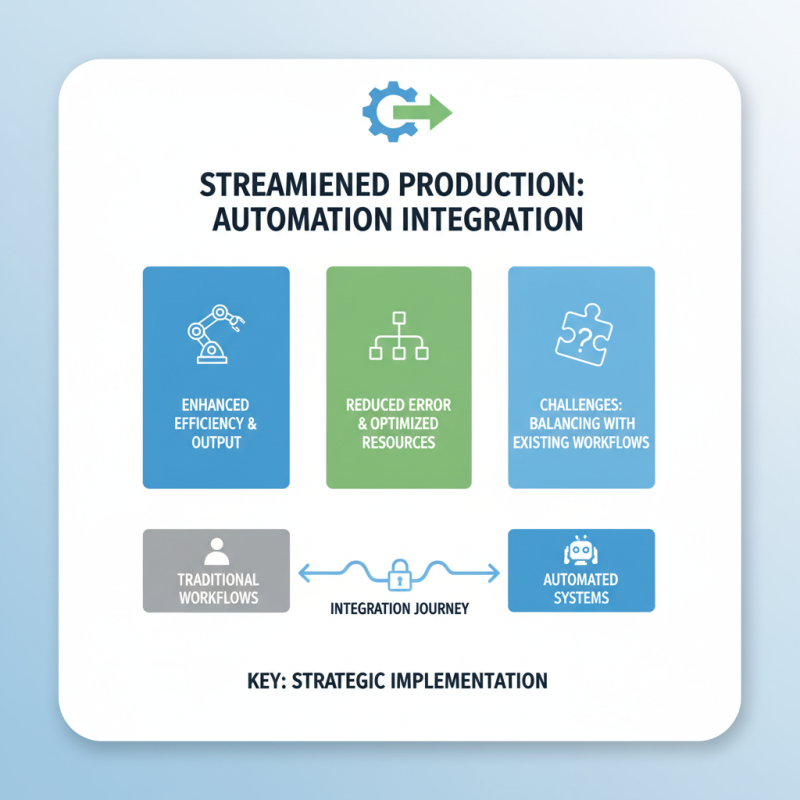
In today's fast-paced manufacturing world, integrating automation technologies is vital for enhancing efficiency. Automated systems can streamline production processes, reduce human error, and optimize resource allocation. However, the journey to full automation is filled with challenges. Many companies find it difficult to balance automation with existing workflows.
A systematic approach is necessary. Begin by assessing current processes. Identify bottlenecks and areas prone to errors. Afterward, evaluate automation tools that fit your specific needs. Choosing the right technology is key, but it’s equally important to involve your team. Worker feedback can reveal insights that technology alone might miss. Proper training ensures the workforce adapts to new tools.
While automation brings numerous benefits, it also demands thoughtful implementation. Some systems may not integrate smoothly with legacy equipment. This can lead to downtime and frustration. Continuous monitoring and adjustments are necessary. As you optimize your machines, remain open to feedback and encourage a culture of experimentation. Embracing automation is a journey, not a destination.
Continuous Training and Skill Development for Operators to Maximize Machine Use
Continuous training and skill development for operators play a vital role in optimizing machine efficiency. When operators are well-trained, they can effectively manage machines. This reduces downtime and enhances production output. It's essential to focus on hands-on training to help operators understand how to troubleshoot issues in real-time.
Tips for effective training include regular workshops. These create a platform for sharing knowledge and best practices. Encourage operators to participate in skill competitions. This fosters camaraderie and sparks interest in innovation. Providing feedback after each training session can also help identify areas for improvement.
However, training should not be a one-time event. The pace of technology evolves constantly. Operators need to adapt to new systems. Implementing a continuous learning environment helps maintain their skills. Encourage them to reflect on their experiences. This will build a culture of growth and resilience, leading to better machine utilization.