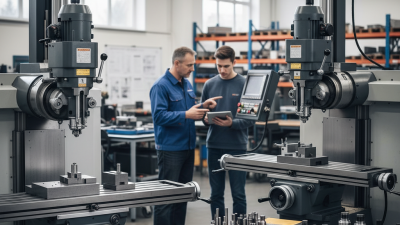
Milling Machines remain essential because they turn digital designs into accurate, functional components. Manufacturers use them to cut metal, plastic, and composite materials with controlled movement. Their versatility supports automotive, aerospace, medical, energy, and general engineering production. One machine can produce slots, pockets, contours, holes, and complex three-dimensional surfaces.
In a modern workshop, a five-axis Milling Machine may shape an aluminum housing in one setup. Fewer setups can reduce alignment errors and shorten production time. CNC controls also repeat programmed movements across hundreds of parts. That consistency helps engineers maintain tight tolerances and document quality results. Tool monitoring, coolant systems, and automated probing add practical support during demanding production runs. However, automation does not remove responsibility. Operators still check tool wear, fixtures, cutting data, and surface finish.
The benefits are measurable.
Reliable manufacturers combine machine capability with skilled judgment. A powerful spindle cannot correct poor programming or unstable workholding. Likewise, advanced software cannot replace careful inspection. This is where professional experience matters. Engineers compare cycle time, energy use, maintenance needs, material behavior, and total ownership cost before selecting equipment. The cheapest machine may create expensive downtime later. That point deserves honest reflection.
Global manufacturing also faces changing designs, smaller batches, and stricter quality expectations. Milling Machines provide the flexibility needed to respond without rebuilding an entire production system. Their value comes from accuracy, adaptability, and dependable repeatability. Yet results vary between facilities. Training, maintenance, tooling, and process discipline remain decisive factors. Understanding these realities explains why milling technology continues to support competitive manufacturing worldwide.
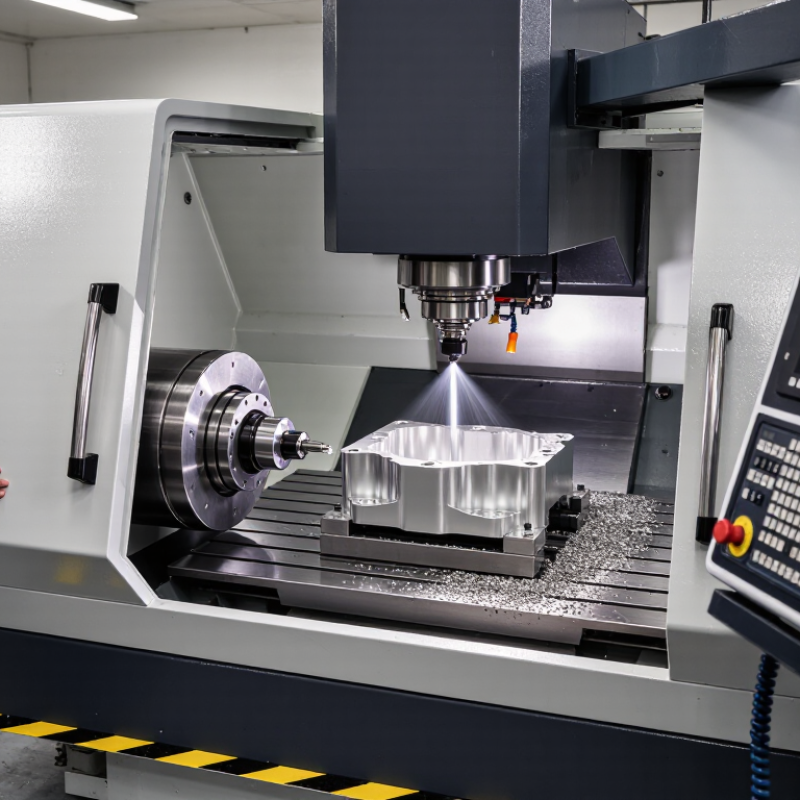
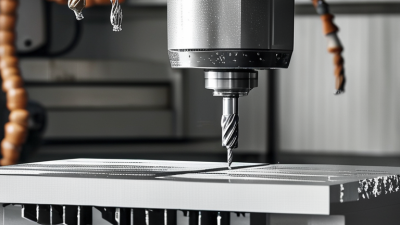
A milling machine removes material with a rotating cutting tool. The workpiece stays clamped while the tool moves along controlled axes. In a three-axis machine, the cutter travels left, right, forward, backward, and vertically. More advanced machines rotate the table or spindle, creating complex aerospace, medical, and automotive parts.
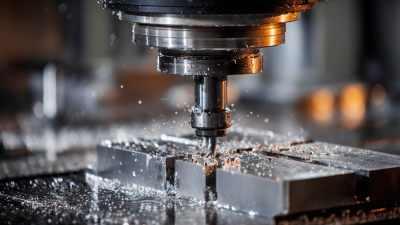
The cutting edge shears small chips from metal, plastic, or composite material. Operators set spindle speed, feed rate, cutting depth, and coolant flow. These settings depend on hardness, tool geometry, and the required surface finish. Too much feed can break the tool. Too little feed may cause rubbing, heat, and poor accuracy. That balance is learned on the shop floor, not only from software.
The International Federation of Robotics reported 541,302 industrial robot installations worldwide in 2023, showing how strongly manufacturers are investing in automated production. Milling increasingly connects with probing systems, digital models, and machine monitoring. The U.S. Bureau of Labor Statistics also projects continuing demand for machinists who can operate and program computer-controlled equipment through 2033. Yet automation does not remove every risk. A wrong coordinate, loose fixture, or worn insert can ruin a costly part within seconds. Practical inspection remains essential. According to ISO 230-1, machine-tool accuracy depends on controlled testing conditions, so published tolerance claims should be read carefully. Precision is measurable. It is never automatic.
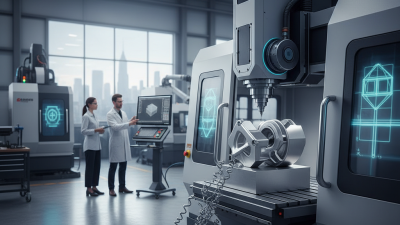
Milling machines remove material with a rotating cutting tool while the workpiece or tool moves along controlled axes. Three-axis machines handle standard cuts, while four- and five-axis configurations provide additional rotary movement for complex parts, angled surfaces, and fewer setups.
Milling machines shape metal, plastic, and composite parts with controlled cutting tools. Their flexibility supports automotive, aerospace, medical, energy, and general engineering production. In daily shop-floor work, the right machine reduces setup time and improves repeatability. However, material behavior still surprises experienced operators.
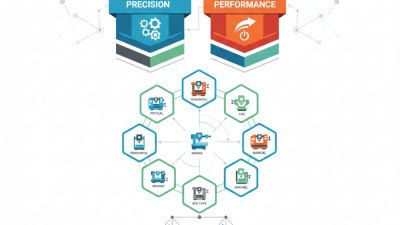
Vertical milling machines are common for drilling, slotting, and producing flat surfaces. Their upright spindle gives operators clear access to the workpiece. They suit prototypes, repair parts, and smaller production runs.
Horizontal milling machines use a side-mounted spindle and often remove material faster. They perform well on deep slots, large surfaces, and heavy workpieces.
CNC milling machines follow programmed tool paths with consistent motion. They help manufacturers produce complex parts across different facilities. A five-axis machine can cut several faces without repeated clamping. This reduces alignment errors around curved components.
Bed-type mills support larger workpieces and provide strong cutting stability. They are useful when rigidity matters more than quick repositioning.
Machine selection should reflect tolerance, batch size, material, and operator skill. A sophisticated system cannot correct poor fixturing or unclear drawings.
Maintenance is also easy to underestimate. Worn tools may leave burrs, heat marks, or unexpected dimensions. In practice, inspection data often reveals problems before production teams notice them.
Some manufacturers also combine milling with probing systems to check part position during machining.
Milling machines improve production accuracy by controlling how material is removed. In a production shop, a rotating cutter shapes metal with measured movements across several axes. This controlled process creates precise slots, holes, faces, and complex contours. Digital readouts help operators monitor each movement during machining. When operators verify dimensions with calibrated gauges, small deviations become easier to detect. That matters. I have seen a minor setup error create dozens of rejected parts.
Efficiency improves when one machine completes several operations without repeated repositioning. A stable fixture holds the workpiece firmly and reduces alignment time. For repeated parts, saved setup minutes can become valuable production hours. Toolpath simulation can also reveal collisions, excessive cutting depth, or unnecessary movements before machining begins. However, speed should never replace inspection. Small errors grow.
The best results depend on more than machine capability. Maintenance teams should check spindle condition, guideways, lubrication, and tool wear at planned intervals. Coolant condition also affects cutting temperature and surface quality. Operators need practical training, not only software instructions. In practice, setups still take longer than planned, especially with unfamiliar materials. An efficient machine cannot rescue a poor drawing or rushed inspection. Not every job benefits. Simple parts may be faster on dedicated equipment, while complex parts gain more from flexible milling. Reviewing cycle times, scrap records, and measurement data helps manufacturers adjust methods honestly.
Why Are Milling Machines Essential for Global Manufacturers?
Industries and Applications That Depend on Milling Machines
Milling machines support aerospace manufacturing, where accuracy matters around wing fittings, engine housings, and structural brackets. Cutting tools remove material from aluminum, titanium, and advanced composites. These parts often require tight tolerances and carefully controlled surface finishes. A small setup error can create expensive rework.
Automotive factories use milling equipment for engine blocks, transmission parts, suspension components, and production molds. Toolmakers also machine jigs that hold parts during welding or inspection. In medical manufacturing, milling produces bone plates, surgical instruments, and custom implant components. Clean processes and documented inspections are essential in that environment. Material behavior can still surprise experienced operators.
Energy equipment depends on milled valve bodies, pump housings, turbine components, and heat-transfer parts. These products may face pressure, vibration, and high temperatures. In electronics production, milling creates precise enclosures, cooling channels, and prototype fixtures. Smaller workshops often use the same principles for one-off repairs and short production runs.
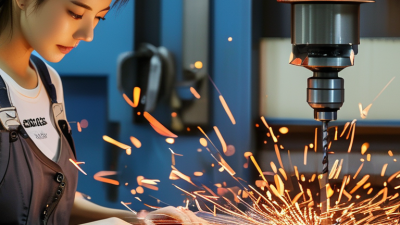
Milling is not always the fastest choice. Complex shapes may require several tool changes, careful workholding, and repeated measurements. I have seen a beautiful surface finish hide a dimensional problem. That is why skilled machinists verify drawings, calibrate equipment, check tool wear, and inspect parts throughout production. Software improves repeatability, but it does not replace judgment. Better results often come from questioning the process before cutting metal.
| Industry | Typical Components | Common Milling Applications | Frequently Machined Materials | Why Milling Is Essential | Key Manufacturing Requirements |
|---|---|---|---|---|---|
| Aerospace | Structural brackets, wing fittings, engine mounts, housings, ribs and custom tooling. |
|
Aluminum alloys, titanium alloys, nickel-based alloys and engineering plastics. | Milling removes material efficiently while producing complex lightweight structures and accurately positioned features from solid stock. | High dimensional accuracy, repeatability, traceability, controlled cutting forces and reliable surface quality. |
| Automotive and Transportation | Engine and transmission housings, suspension parts, brake components, molds, fixtures and prototype parts. |
|
Aluminum, cast iron, steel, stainless steel and reinforced polymers. | CNC milling supports repeatable production of functional interfaces, mounting surfaces and complex prototype geometries. | Fast cycle times, stable production, consistent interchangeability and compatibility with automated inspection. |
| Medical Devices | Surgical instruments, orthopedic implants, prosthetic components, instrument handles and diagnostic equipment parts. |
|
Titanium, cobalt-chromium alloys, stainless steel, PEEK and other medical-grade polymers. | Milling can create intricate geometries, controlled contact surfaces and patient-specific components with repeatable results. | Tight process control, clean machining practices, burr reduction, surface integrity and documented quality inspection. |
| Energy and Power Generation | Valve bodies, pump components, turbine parts, gearbox housings, flanges and maintenance replacement parts. |
|
Carbon steel, stainless steel, alloy steel, nickel alloys and corrosion-resistant materials. | Milling provides accurate sealing faces, alignment features and replacement parts for equipment that must operate under demanding conditions. | Robust fixturing, high rigidity, heat management, repeatable alignment and reliable surface finish. |
| Industrial Machinery | Machine frames, shafts, gear housings, guide rails, mounting plates, brackets and custom assemblies. |
|
Mild steel, cast iron, aluminum, stainless steel and bronze. | Milling produces accurate mating surfaces and functional features needed for machine alignment, movement and assembly. | Flexible setup, dependable material removal, dimensional consistency and economical one-off or batch production. |
| Tooling, Dies and Molds | Injection molds, stamping dies, forging dies, forming tools, inserts and production fixtures. |
|
Hardened tool steel, pre-hardened steel, carbide, aluminum and copper alloys. | Milling directly forms complex cavities, parting surfaces and precision inserts that determine the quality of repeated manufactured parts. | Fine surface finish, accurate geometry, tool-path control, rigidity and effective chip evacuation. |
| Electronics and Instrumentation | Equipment enclosures, heat sinks, connector bodies, mounting plates, sensor housings and test fixtures. |
|
Aluminum, copper, brass, stainless steel and engineering plastics. | Milling creates lightweight housings, accurate mounting locations and thermal-management surfaces required for compact equipment. | Burr control, clean edges, dimensional stability, precise hole locations and protection of delicate features. |
| Rail, Marine and Heavy Equipment | Bogie components, couplings, hydraulic blocks, structural connectors, propeller parts and repair components. |
|
Structural steel, stainless steel, cast iron, aluminum and bronze. | Milling restores or produces large, load-bearing components with accurate interfaces for assembly and service replacement. | High machine rigidity, secure workholding, dependable material removal and suitability for large or irregular workpieces. |
Milling machines remain essential because manufacturers need accurate parts, repeatable quality, and flexible production. Their value is changing, however. Future global milling operations will depend less on cutting speed alone. Data integration, energy efficiency, workforce skills, and resilient supply chains now shape investment decisions.
The International Federation of Robotics reported 541,302 industrial robots were installed worldwide in 2023. This growth signals a wider move toward connected production cells. Modern milling centers can exchange tool-life, vibration, and inspection data with factory systems. That information helps engineers detect wear before a damaged cutter ruins a batch. Deloitte’s 2024 Smart Manufacturing and Operations Survey found that 86% of manufacturing leaders view smart manufacturing as important for future competitiveness. Still, automation is not a universal cure. Poor process data can simply make mistakes faster.
Energy pressure will also influence machine design. Manufacturers increasingly measure idle power, compressed-air use, coolant waste, and material removal rates. Skilled technicians remain critical, especially when machines handle titanium, hardened steel, or complex five-axis paths. The World Economic Forum’s Future of Jobs Report 2025 estimates that 39% of workers’ existing skills may change or become outdated by 2030. That figure deserves reflection. Training cannot be treated as an optional software update.
Tips: Track spindle utilization, scrap causes, tool costs, and energy use together. Test one connected workflow first. Keep a manual fallback for uncertain data. Review results monthly, not after a crisis.