Top Cabinet Drilling Machines for Global Buyers
Choosing the right Cabinet Drilling Machines can shape production speed, drilling accuracy, and long-term operating costs. Global buyers face different workshop conditions, electrical standards, labor skills, and service expectations. A machine that performs well in a European factory may need adjustments in Southeast Asia, North America, or Africa. Small details matter. Spindle stability, drilling depth, table design, dust extraction, and software compatibility can directly affect cabinet quality.
Woodworking machinery consultant Markus Schuler explains, “Reliable drilling begins with stable mechanics, clear setup procedures, and support after installation.” This practical view guides our comparison. The best Cabinet Drilling Machines should deliver repeatable hole patterns, clean edges, and simple changeovers. They should also support common cabinet systems, including hinge holes, shelf-pin rows, dowel drilling, and connector preparation. For international buyers, documentation, spare-part availability, remote assistance, and technician training deserve equal attention.
Performance figures alone can mislead. A high-speed spindle is not automatically the best choice. A cheaper model may create higher costs through downtime, difficult maintenance, or unavailable components. No ranking is perfect. Workshop volume, material thickness, operator experience, and future expansion all change the decision. Buyers should request sample drilling, inspect finished holes, and confirm service response times before ordering. Even experienced purchasers sometimes overlook voltage requirements and dust-collection capacity. That oversight can become expensive. This guide compares leading options through practical, buyer-focused criteria, helping manufacturers choose equipment with confidence, while recognizing that the ideal machine depends on real production conditions.
Cabinet Drilling Machine Types: CNC, Multi-Spindle, and Line-Boring Systems
Top Cabinet Drilling Machines for Global Buyers
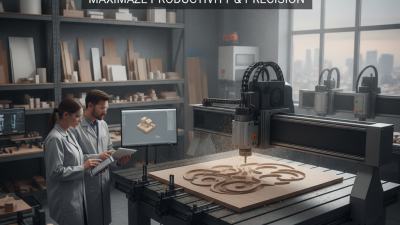
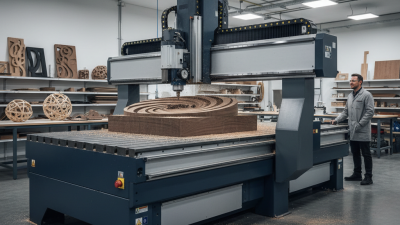
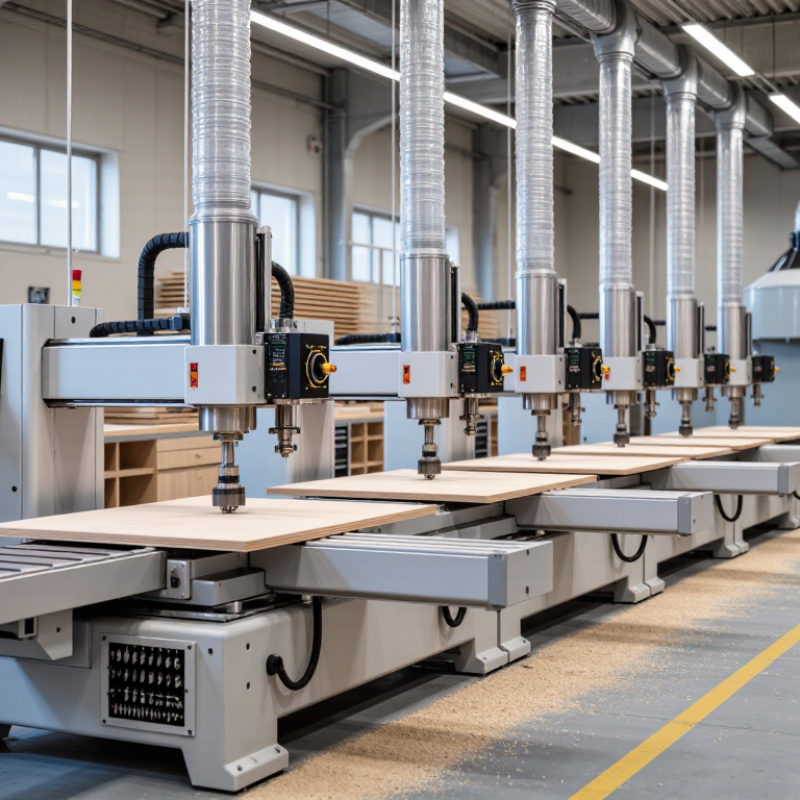
Cabinet drilling machines fall into three practical groups: CNC, multi-spindle, and line-boring systems. Each suits a different production rhythm. CNC machines handle varied cabinet designs with programmable hole patterns, dowel points, and connector positions. They reduce manual marking and support quick changeovers. Repeatability matters. A stable frame, accurate servo control, and clear software directly affect finished panels.
Multi-spindle machines use several drilling heads at once. They work well for repeated side panels, shelves, and hinge holes. Cycle times can be short, but setup accuracy becomes critical. Operators should inspect spindle spacing, drilling depth, and tool replacement access. A small adjustment error may appear across hundreds of panels. Production managers should compare actual throughput, not only the advertised cycle time.
Line-boring systems are practical for standardized cabinet construction. They drill aligned rows efficiently and often require less programming than CNC equipment. However, they may be less flexible when product dimensions change. A common mistake is choosing a line-boring machine for highly customized orders. That decision can create extra templates, manual corrections, and wasted material. Think carefully.
Global buyers should request sample drilling tests using their own board thicknesses and hardware. Check dust collection ports, electrical compatibility, guarding, operator training, and spare-part availability. Machine documentation should state tolerances clearly. Remote support is useful, but local technical service can prevent longer downtime. Measure twice. Review the maintenance schedule, tooling costs, and compressed-air requirements before comparing prices.
Top Cabinet Drilling Machines for Global Buyers
Typical spindle-count ranges by cabinet drilling machine type
CNC drilling systems commonly use a small number of programmable drilling spindles, while multi-spindle and line-boring systems use fixed spindle banks for repeated 32 mm cabinet-hole patterns. Actual spindle counts vary by machine configuration and workpiece requirements.
Key Performance Metrics: 18,000–24,000 RPM and ±0.05 mm Positioning
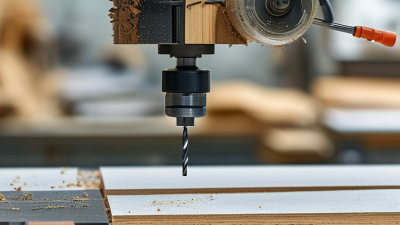
For cabinet production, spindle speed and positioning accuracy reveal far more than a polished brochure. Machines operating between 18,000 and 24,000 RPM can produce clean holes in plywood, MDF, and laminated panels. Higher speed often reduces breakout around the hole edge. It can also increase heat when tooling, feed rate, or dust removal is poorly matched.
A positioning tolerance of ±0.05 mm supports consistent hinge cups, dowel holes, and connector fittings. On the workshop floor, this accuracy depends on more than the controller. Rail stiffness, table flatness, tool runout, and calibration routines all matter. During practical evaluations, a machine may meet the specification in one test and drift after several hours. That detail deserves attention.
Ask for repeatability results, not only a single accuracy figure. Request test samples from your own cabinet materials. Measure hole centers with suitable inspection equipment, then repeat the cycle after extended operation. The spindle should maintain stable speed under load, while the clamping system prevents small panel movements. Even a 0.1 mm shift can become visible across a long cabinet run. Noise, vibration, and chip evacuation also affect operator confidence and finish quality. My own preference is cautious: fast rotation is valuable, but dependable calibration usually matters more than the highest advertised RPM.
Standards and Compliance: ISO 9001, CE Marking, and IEC 60204-1
For global buyers, compliance should be checked before comparing drilling speed or spindle power.
In factory audits, I look for a traceable quality process behind every cabinet drilling machine. ISO 9001 supports that process through controlled drawings, supplier reviews, inspection records, and corrective actions. It does not certify the machine itself. That distinction matters.
CE marking requires the manufacturer to assess applicable European requirements and retain technical documentation.
Buyers should request the Declaration of Conformity, risk assessment, electrical diagrams, and test evidence. The documents should match the delivered machine, including voltage, guards, switches, and control software. A generic certificate is weak evidence. Serial numbers and revision dates make verification practical. Still, paperwork cannot reveal a loose terminal inside the cabinet.
IEC 60204-1 provides a useful framework for machine electrical safety.
Check protective bonding, emergency-stop circuits, overcurrent protection, enclosure wiring, cable identification, and functional tests. Ask who performed the tests and which instruments were used. During acceptance, open the control cabinet and compare labels with drawings. Run the stop circuit, not only the drilling cycle. Requirements may vary by destination and machine configuration, so local review remains necessary. I would not treat any checklist as perfect; standards evolve, and overlooked details can survive a rushed inspection.
Supplier Evaluation: Output, Warranty, Service Response, and Total Cost
For global buyers, evaluate output through verified cycle data, not brochure speed. Request an eight-hour test using real cabinet boards, tool changes, and drilling patterns. Record good parts per hour, accuracy, rejected panels, and dust-collection performance. Warranty terms should define coverage, exclusions, labor, travel, and response times. A 12-month warranty means little if a technician arrives after three weeks. Require remote diagnosis within one business day and regional access to critical spare parts. Ask for anonymized service records, commissioning reports, and training details.
Build a five-year total-cost model. Include purchase price, freight, installation, training, tooling, electricity, software, maintenance, downtime, and resale value.
The U.S. Department of Energy’s Operations & Maintenance Best Practices Guide reports that preventive maintenance can save 12–18% compared with reactive maintenance. Deloitte’s predictive-maintenance research indicates downtime reductions of 5–15% and productivity gains of 5–25%. These are benchmarks, not promises. Cabinet production varies widely. A supplier should apply them to your shift pattern and failure history.
I would test output after tool wear, not only on day one. That test is less glamorous. It is more honest.
One weakness remains: buyers often score service response verbally, then accept vague clauses. Put response hours, spare-part lead times, escalation contacts, and service limits into the contract. A low-priced machine can become costly after one missed production week.