How to Choose the Best Automatic Drilling Machines for Your Needs?
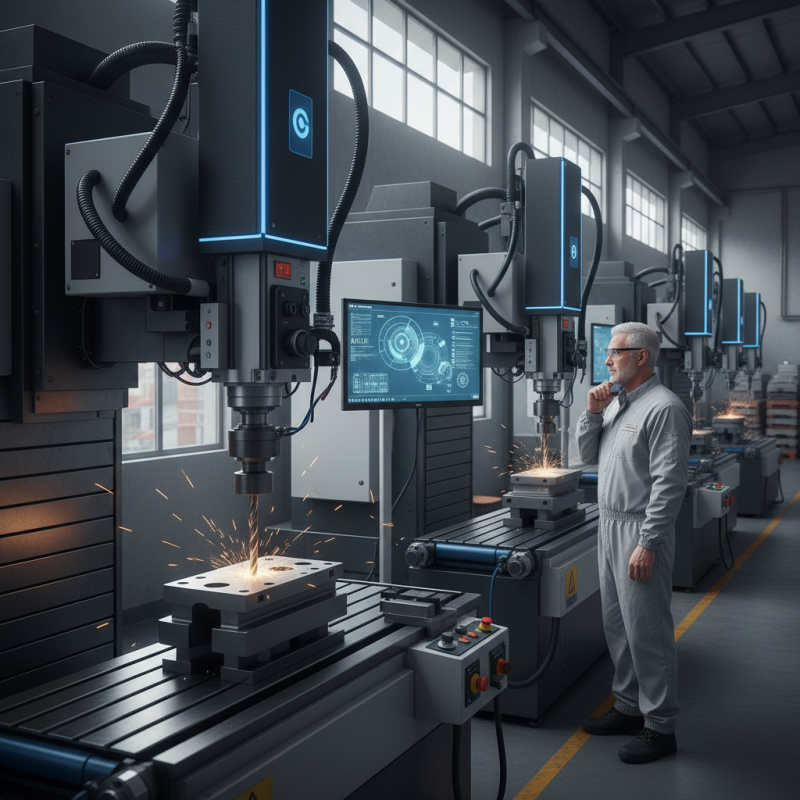
Choosing the right Automatic Drilling Machines can be a daunting task. Industry expert John Miller, a renowned mechanical engineer, states, "The right machine can significantly enhance your productivity." With numerous options on the market, identifying key features is essential for optimal performance.
Automatic Drilling Machines offer various capabilities, catering to multiple applications. Features such as speed, precision, and ease of use should guide your decision. Understanding your specific needs can help narrow down choices. However, it’s easy to overlook critical specifications amidst overwhelming options.
Regardless of experience, many users face challenges that require reflection. Evaluating your production goals can illuminate the machines that fit best. Investing time in this selection process can lead to enhanced efficiency and improved outcomes in your projects.
Factors to Consider When Selecting an Automatic Drilling Machine
When selecting an automatic drilling machine, several factors are crucial. Assess the material you will be drilling into. Different machines excel with specific materials, like wood, metal, or composites. Understand the thickness of the material, as this influences the drill's power requirements. A higher RPM may be necessary for thinner materials, while thicker ones might require more torque.
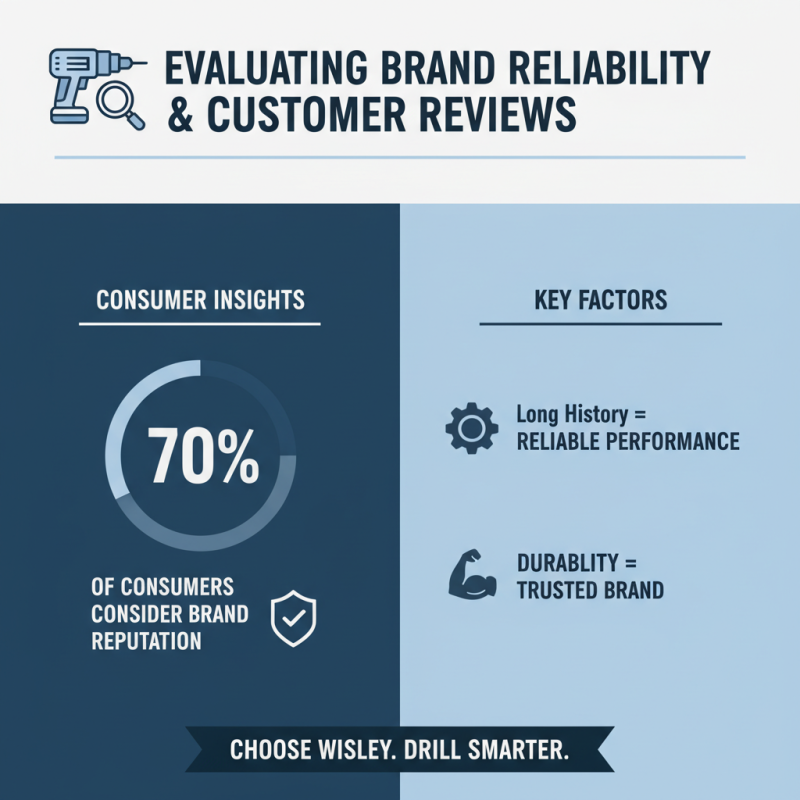
Consider the machine's ease of use. An intuitive interface can save time and reduce errors. Look for features such as depth adjustment, automatic feed, and safety mechanisms. These aspects enhance your efficiency and workplace safety. User reviews often reflect real-world performance, revealing both strengths and weaknesses that specifications alone might not convey.
Lastly, keep maintenance in mind. A reliable machine may demand less frequent repairs. Regular upkeep ensures longevity and consistent performance. Weigh the upfront investment against potential repairs and downtime. Sometimes, a cheaper option might lead to excessive maintenance. Investing in quality tools pays off in the long run, but it's essential to evaluate what reflects your specific needs best.
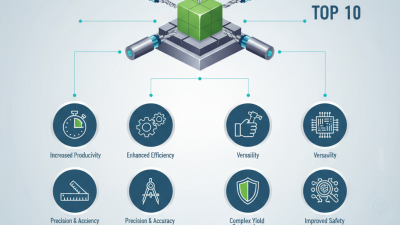
Automatic Drilling Machines: Key Features Comparison
Types of Automatic Drilling Machines Available in the Market
When selecting an automatic drilling machine, understanding the types available is crucial. There are several primary categories: vertical, horizontal, and multi-spindle drilling machines. Each type serves specific purposes and industries.
Vertical machines excel in precision drilling for smaller components, while horizontal machines are often utilized for larger workpieces, offering greater stability.
According to industry reports, the demand for CNC (Computer Numerical Control) automatic drilling machines has surged, with projections indicating a CAGR of 6.5% from 2021 to 2028. This growth reflects an increasing reliance on automation in manufacturing. Multi-spindle machines, although more complex, can significantly enhance productivity by drilling multiple holes simultaneously. They are particularly beneficial for mass production, reducing cycle time.
However, not all machines fit every need. Some may find that vertical machines lack the speed required for large production runs. Others may struggle with the setup time associated with multi-spindle units. Considering these factors is essential for a successful investment. Buyers should assess specific application requirements and operational capabilities before making a decision. This careful approach can lead to better performance and efficiency.
Understanding the Specifications and Features of Drilling Machines
Choosing the right automatic drilling machine requires a careful understanding of its specifications. One must consider horsepower, as this affects drilling speed and efficiency. A higher rating often means quicker work but may not be necessary for simple projects. Always match the power output to the material you intend to drill. Softer materials might not require high horsepower, while tougher materials will.
The drilling capacity is another critical specification. This determines the maximum diameter of holes you can create. Ensure the machine's capacity aligns with your specific needs. A robust machine with a wide capacity offers versatility. Additionally, pay attention to the depth of drilling. Deeper holes require different considerations and, potentially, more advanced machines.
Features such as adjustable speed settings can enhance the machine's usability. They allow for flexibility when working on various materials. However, too many features can complicate operation and require additional training time. It’s essential to balance advanced functionality with user-friendliness. Explore reviews and user feedback to identify potential drawbacks in different models. Understanding these aspects ensures you select a machine that best aligns with your specific applications.
Budgeting for Your Automatic Drilling Machine Purchase
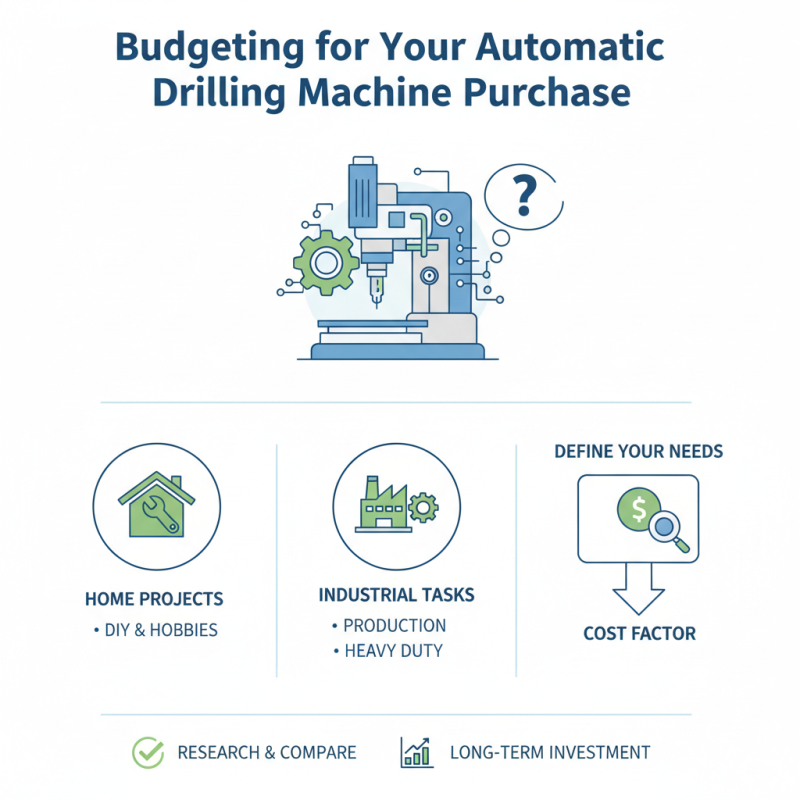
Budgeting for an automatic drilling machine can feel overwhelming. It's essential to consider various factors before making a financial commitment. First, identify your primary use for the drilling machine. Will it be for home projects or industrial tasks? Understanding your needs helps narrow options significantly.
Price ranges for these machines can vary widely. You might find basic models for a few hundred dollars, while advanced machines may run into thousands. Assess the features that matter most to you. Sometimes, spending more initially saves money in the long run with better durability and efficiency. However, it's crucial not to compromise on basic functionalities just to save a few bucks.
It's also wise to include additional costs in your budget. Maintenance, accessories, and training can add up. Consider the potential need for upgrades down the line, which may strain your finances. Careful planning helps. Reflect on your immediate needs and future requirements to achieve a balance between cost and functionality.