How to Choose the Best Drilling Machines for Your Needs?
When selecting drilling machines, understanding your specific needs is crucial. According to industry reports, the global drilling machine market is expected to grow substantially, reaching over $10 billion by 2025. This growth highlights the importance of choosing the right equipment. Drilling machines vary in type, size, and functionality.
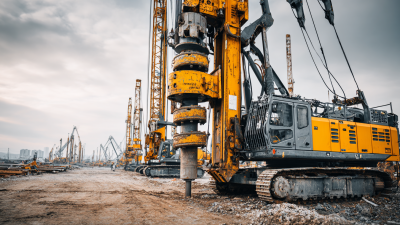
Different projects require different drilling capabilities. For instance, a construction site may demand heavy-duty drilling machines, while a DIY project might only need a compact model. Choosing poorly can lead to inefficiencies. Research shows that 30% of professionals regret their equipment choices, which can waste time and resources.
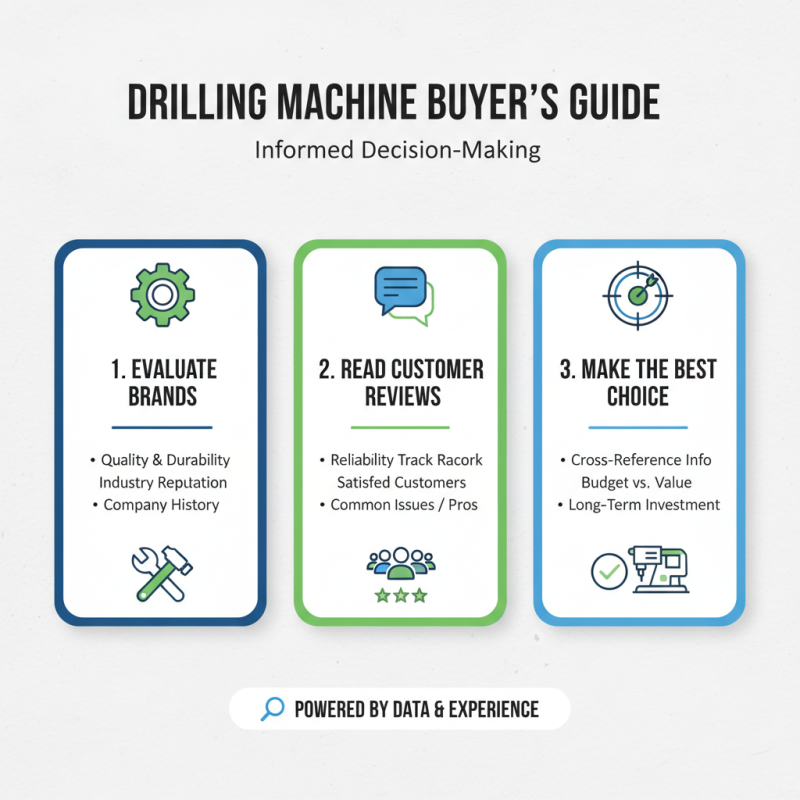
Quality matters in drilling machines. Trusted brands typically offer warranties and customer support. Always review product specifications and customer feedback. Being aware of the latest technology and trends can help you make informed decisions. Aim for balance between performance and budget. Your choice will ultimately affect productivity and project success.
Understanding Different Types of Drilling Machines and Their Applications
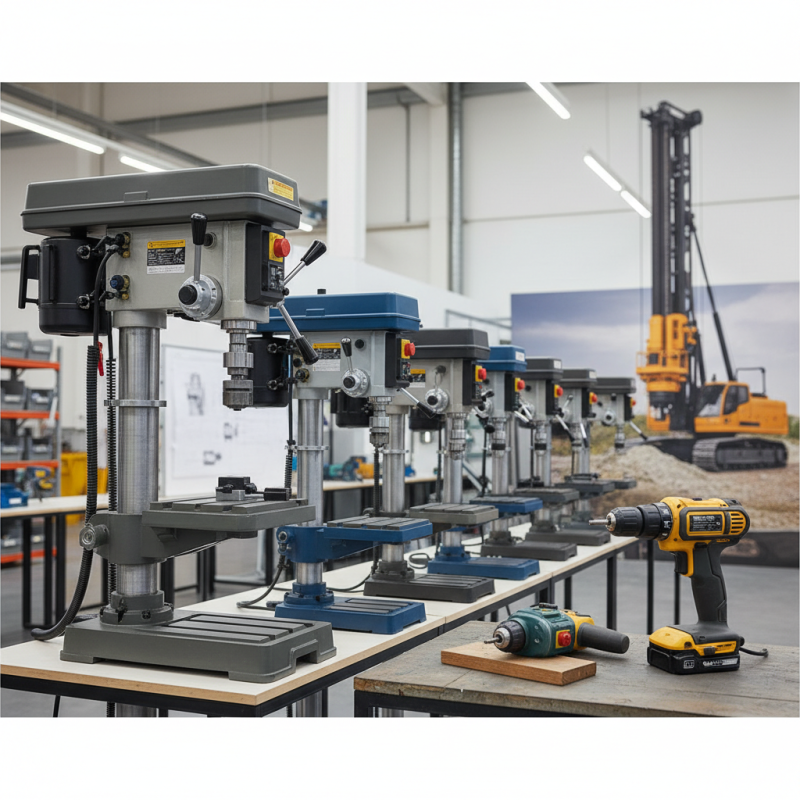
When selecting a drilling machine, understanding the various types is crucial. There are several categories, including rotary drills, hammer drills, and impact drills. Each type serves unique purposes. For instance, rotary drills are ideal for wood and soft materials, while hammer drills excel in concrete.
Each machine has specific features impacting performance. Hammer drills, for example, combine rotary action with a hammering motion. This allows them to penetrate harder surfaces effectively. However, they may not be suitable for delicate tasks, as they can cause damage. On the other hand, impact drills provide great torque for driving screws, but they can be less effective on tougher materials.
It's essential to evaluate your specific needs. Think about the materials you will work with and the tasks at hand. A versatile machine can handle various jobs, but it might lack power for demanding projects. Users must reflect on the balance between versatility and power to choose the right tool. Experimenting with different machines can also lead to unexpected insights into their capabilities and limitations.
Assessing Your Project Requirements to Determine Necessary Features
When selecting a drilling machine, it's crucial to assess your project requirements. Start by evaluating the materials you'll be working with. Hardness, density, and size play a big role in determining the best type of drill. Different projects demand varying power levels. A lightweight model might suffice for softwood, while tougher materials necessitate more robust equipment.
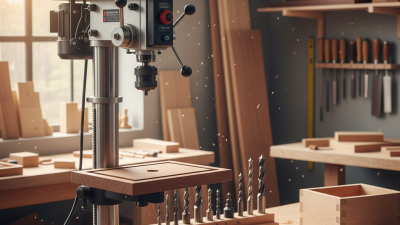
Another important aspect is the type of drilling you'll perform. Will you be drilling into concrete, metal, or wood? Each application has specific needs. For instance, a masonry drill is designed for concrete, while a spindle drill excels in metalwork. Understanding these specifics helps you narrow your choices.
Consider what features are truly necessary for your tasks. Do you need variable speeds, or is a single speed sufficient? Some drills offer advanced features, but these may not be essential for lighter tasks. It’s helpful to reflect on what you genuinely require, rather than succumbing to flashy features. A clear grasp of your project scope will streamline the selection process, making it easier to find a drilling machine that meets your needs without unnecessary complexity.
Key Specifications to Consider When Choosing a Drilling Machine
When selecting a drilling machine, understanding key specifications is crucial. The power rating is one of the most critical factors. A higher wattage typically indicates a more powerful machine, which can handle tougher materials. For instance, many professionals recommend a drill with at least 500 watts for metalwork. However, excessive power can lead to overheating and diminished lifespan.
Another important specification is the chuck size. A larger chuck can accommodate more bit sizes, offering versatility. Most models have chucks ranging from 1/4 inch to 1/2 inch. This flexibility allows users to switch between different tasks efficiently. According to industry studies, over 60% of users find having multiple chuck sizes beneficial for varied applications.
Speed settings also play a vital role. Many drilling tasks require specific speeds for optimal results. A dual-speed setting is often preferred, allowing for adjustments based on the material. For softer materials, a higher speed works well, while tougher materials may demand slower, more controlled drilling. Yet, not all machines offer user-friendly controls, which could lead to frustration. Balancing these specifications can be challenging but is essential for optimal use.
Budget Considerations: Finding the Best Value for Your Needs
When considering the purchase of a drilling machine, budget is a key factor. Set a clear budget before exploring options. It's easy to get carried away with features and specifications. However, spending beyond your means can lead to regrets later. Identify what you need the drill to accomplish. A more expensive model may not always be better for your specific tasks.
Research various models within your budget. Some machines offer great value without excessive features. Don't overlook product reviews and expert ratings. They provide essential insights. Be wary of overly generic advice; look for detailed user experiences. You might find a reliable option that suits your requirements perfectly.
Consider long-term costs as well. Maintenance and potential repairs can add up, impacting your total investment. Think about the durability of the machine. A cheaper option might end up costing you more if it breaks down quickly. Reflect on how often you'll use the drill. If it's a rare project, you might not need the most advanced model. Aim for a balance between cost and capability.