Five-Sided Drilling Machine Buying Guide for Global Buyers
When searching for a Five-Sided Drilling Machine, buyers face unique challenges. Understanding these machines is essential for informed purchasing decisions. A comprehensive buying guide can help navigate the complexities involved.
Five-Sided Drilling Machines are impressive tools in the manufacturing sector. They offer versatility and precision. However, choosing the right one requires careful consideration of various factors. Prospective buyers should evaluate machine specifications, functionality, and brand reliability.
While this guide aims to simplify the buying process, some aspects may still seem overwhelming. Buyers may feel lost amid the technical jargon and numerous options available. Reflecting on experimental insights can enhance understanding. The right machine can boost productivity and efficiency. Yet, identifying it demands diligence and reflection on one’s specific needs.
Factors to Consider When Buying a Five-Sided Drilling Machine
When considering a five-sided drilling machine, buyers should focus on several key factors. The machine's capability to perform multiple drilling operations is crucial. Look for machines that offer versatility in handling various materials. Pay attention to the power and torque ratings. Higher power can mean faster drilling and more efficiency.
Another vital aspect is the machine's size and footprint. Ensure that it fits well in your workspace. A compact machine can save space but should not compromise on performance. Consider the machine's ease of use. An intuitive interface can significantly improve workflow.
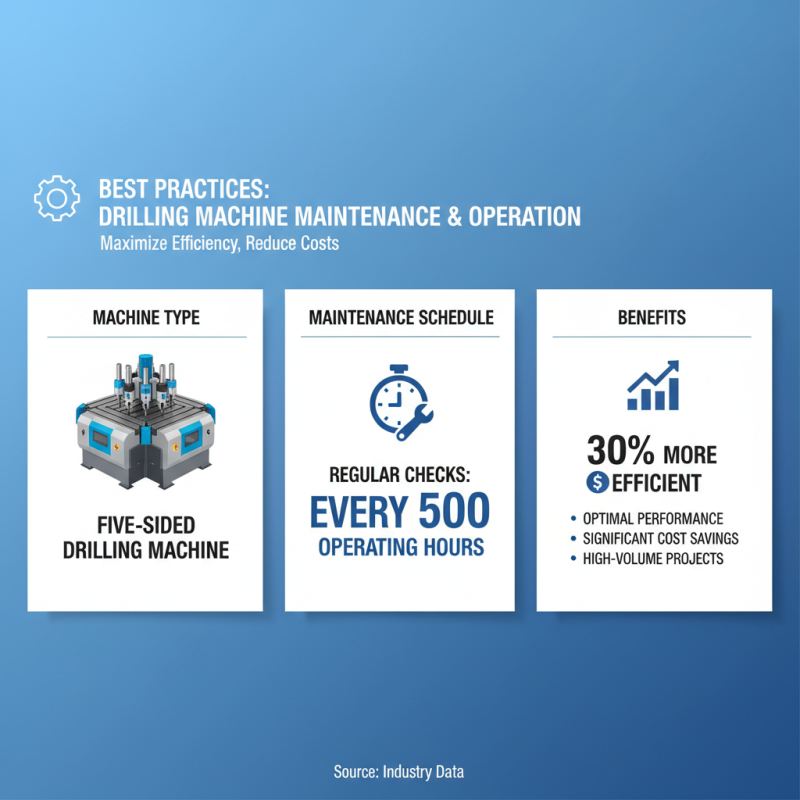
Additionally, think about maintenance requirements. Some machines may need frequent servicing, which can increase costs over time. Assess the warranty and support options available. Quality service can make a significant difference in long-term reliability. Look for machines that allow for easy access to parts for maintenance. These considerations can prevent future headaches and ensure a smooth operation.
Five-Sided Drilling Machine Features Comparison
This chart compares the average specifications of five-sided drilling machines based on critical factors such as power, torque, speed, weight, and price. These characteristics are essential for global buyers when selecting the right machine to meet their operational needs.
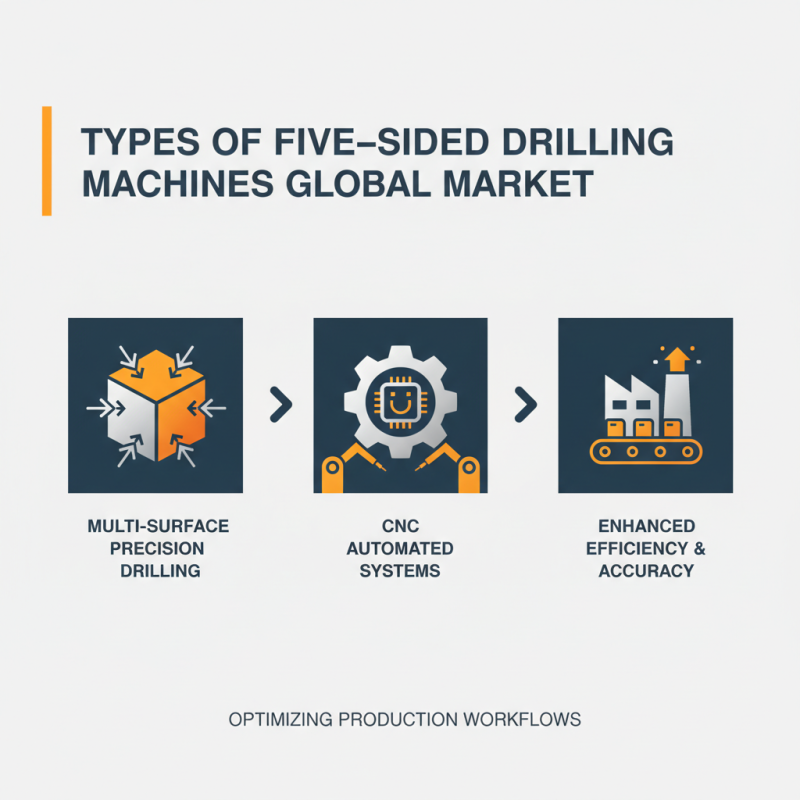
Types of Five-Sided Drilling Machines Available in the Global Market
When exploring the types of five-sided drilling machines available in the global market, there are several key options to consider. These machines are designed to enhance precision and efficiency in various drilling tasks. A popular type includes the CNC five-sided drilling machine. This technology allows for automated adjustments and accurate drilling angles, greatly improving the overall workflow in production settings.
Another option is the manual five-sided drilling machine. Often preferred by smaller operations, this type offers flexibility and ease of use. Operators can manually control the drilling processes, which allows for unique adjustments based on specific project needs. However, this method may require a trained technician to maximize its potential.
Additionally, there are hybrid models that combine both CNC and manual features. These machines can cater to diverse production requirements. While they provide versatility and adaptability, they may also require more training to operate efficiently. The choice ultimately depends on the scale of operations and the complexity of the drilling tasks at hand. Understanding the specific requirements is crucial before making a purchase decision.
Key Specifications and Features to Look for in a Drilling Machine
When considering a five-sided drilling machine, focus on key specifications and features. The machine's build quality matters significantly. Look for robust materials to ensure durability under heavy use. Precision is crucial too. Machines should maintain exact drilling angles and depths. Poor precision can lead to wasted materials and time.
Additionally, check for versatile functionality. A good drilling machine should adapt to different tasks. Features like variable speed settings contribute to its flexibility. You might need different speeds for various materials. Don't overlook automation options. They can significantly enhance efficiency and reduce manual errors.
User-friendly controls simplify operation. Clear labeling prevents confusion. Many operators prefer machines with intuitive designs. It can make training new staff easier. Consider maintenance requirements as well. Some machines require frequent servicing, which can affect productivity. Regular maintenance can avert unexpected breakdowns, but it may present challenges.
Understanding the Price Range and Budget for Five-Sided Drilling Machines
When considering a five-sided drilling machine, understanding the price range is crucial. These machines vary widely in cost, influenced by their features and capacities. Entry-level models can start at a lower price point, usually meant for small-scale operations. However, more advanced machines with enhanced capabilities significantly increase the price. It's essential to determine your specific needs before making a purchase.
Budgeting for a five-sided drilling machine requires reflection on your production needs and future expectations. A tight budget may limit options, but investing in higher-quality machines often results in better efficiency and longevity. Consider long-term gains versus initial costs. Sometimes, a cheaper machine may lead to frequent repairs and replacements, ultimately costing more. Evaluating the total cost of ownership can provide clarity. Seek expert guidance to navigate this complex landscape wisely. Balancing price with the right features is key.
Five-Sided Drilling Machine Buying Guide for Global Buyers
| Model Type |
Price Range (USD) |
Features |
Recommended Usage |
Warranty Period |
| Entry-Level |
$5,000 - $10,000 |
Basic drilling capabilities, manual controls |
Small-scale production, DIY projects |
1 Year |
| Mid-Range |
$10,001 - $20,000 |
Advanced automation, multi-tool capability |
Medium enterprises, specialized workshops |
2 Years |
| High-End |
$20,001 - $50,000 |
Fully automated, precision engineering |
Large-scale production, custom fabrication |
3 Years |
| Industrial |
$50,001 and up |
Robust construction, high speed, and efficiency |
Heavy-duty applications, mass production |
5 Years |