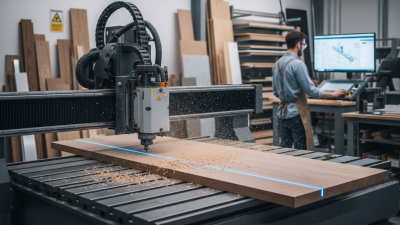
Choosing an Atc Cnc Router is not simply a matter of comparing spindle power and table size. The right machine should match your materials, production volume, workshop space, and operator experience. A router cutting oak all day faces different demands from one processing acrylic sheets occasionally. Small details matter. Dust control matters. Tool changes matter.
CNC Concepts founder Mike Lynch, a respected CNC automation specialist, states, “Automation should remove repetitive work, not remove judgment.” That principle is useful when evaluating an Atc Cnc Router. Automatic tool changing can reduce idle time, but it cannot correct poor programming, weak workholding, or unsuitable tooling. I have seen buyers focus on speed and overlook maintenance access. That mistake becomes expensive when chips collect around the tool changer.
This guide examines seven practical factors before you commit. They include spindle performance, tool capacity, control software, machine rigidity, dust extraction, service support, and total ownership cost. Each factor affects accuracy and daily productivity. Some workshops may need a compact three-axis model. Others may require a larger bed, stronger vacuum table, or advanced drilling capability. There is no universally perfect machine. That is worth remembering.
You should also question supplier claims. Request cutting samples, warranty details, training terms, and references from similar businesses. Inspect the machine if possible. Listen to the spindle. Watch a tool change. A polished brochure cannot reveal everything. These checks will help you choose an Atc Cnc Router that performs reliably, rather than one that only looks impressive on paper.
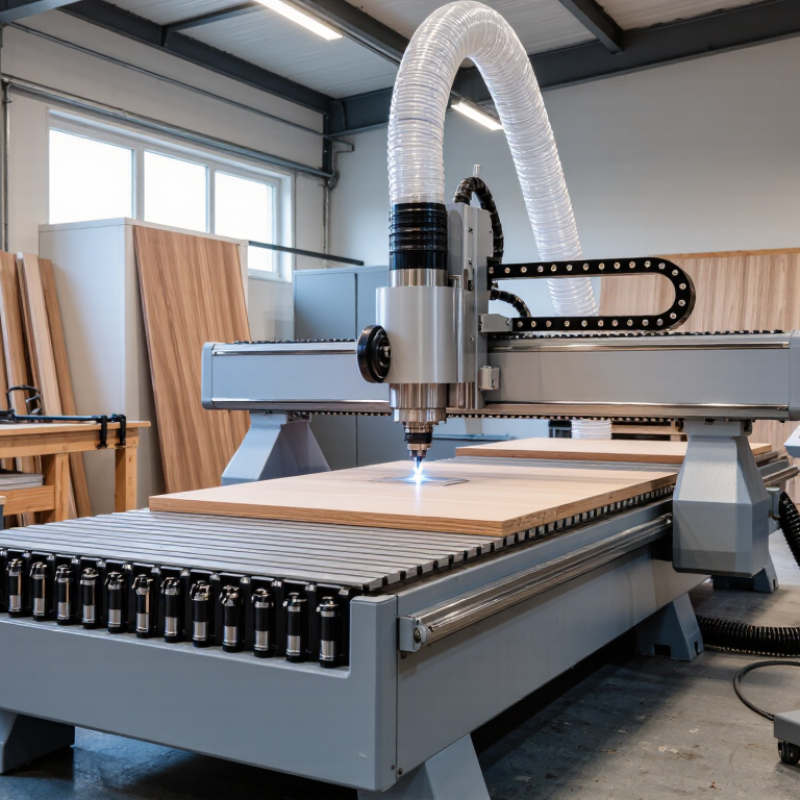
Choosing an ATC CNC router should begin with a clear production goal, not a machine specification. Decide whether you will cut furniture panels, carved signs, prototypes, or repeated components. Record the largest sheet size, expected daily workload, and acceptable cutting tolerance. An automatic tool changer saves setup time, but it cannot correct poor planning.
Material requirements should guide every major choice. Plywood and MDF need reliable dust extraction and stable vacuum holding. Hardwood may require slower feed rates and sharper tooling. Acrylic can melt when heat builds during cutting. Aluminum demands suitable rigidity, cutting parameters, and tooling clearance. Check the required thickness range, surface finish, and edge quality. Small details matter.
Do not assume bigger is better. A large working area may waste floor space and reduce practical efficiency. Compare spindle power, tool capacity, collet sizes, vacuum zones, machine rigidity, and software compatibility. Ask for documented specifications, maintenance guidance, and sample cuts using your actual material. A test cut is more trustworthy than a sales claim. It is easy to overlook electrical requirements and dust collection space. I would also leave room for mistakes, because real workshops rarely operate under perfect conditions. Recheck tool lengths, fixture positions, and clearance before production. A thoughtful goal today can prevent expensive adjustments later.
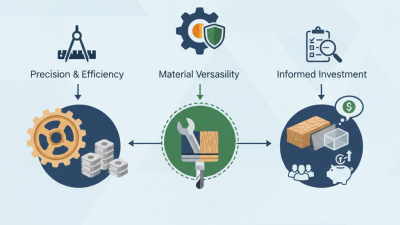
An automatic tool changer should match your real production rhythm, not an impressive brochure number. Count the tools used in one job, then add spare positions for drills, surfacing cutters, and finishing tools. A 12-position ATC may suit simple cabinets, while complex nesting work often needs 16 or more. Check tool diameter limits, holder compatibility, and carousel protection. Small details matter.
Tool-change time is only useful when measured consistently. Ask whether the figure includes spindle stopping, unclamping, carousel movement, and re-clamping. A reported three-second change may become six seconds on the shop floor. Track ten consecutive changes during a trial. Record missed sensors, air delays, and tool-holder vibration. According to the U.S. Department of Energy’s Improving Compressed Air System Performance report, leaks can waste 20–30% of compressor output, so unstable air can undermine ATC reliability.
Spindle performance needs more than peak horsepower. Review continuous power, torque at your normal cutting speed, runout, cooling, and thermal stability. ISO 230-2 testing provides a recognized framework for positioning accuracy, but it does not replace cutting trials. Request test cuts in your material. A spindle that sounds smooth at 24,000 rpm may struggle with a large cutter at low speed. I have seen buyers overvalue speed and overlook torque. That mistake is expensive.
7 Tips for Choosing an ATC CNC Router
Start with the machine’s usable size, not its advertised footprint. Measure your largest panel, fixture, and loading space before comparing models. A larger work area is helpful, but an oversized frame can waste floor space and raise operating costs. Leave room for dust collection and safe material handling. In my workshop, a tight loading path caused more delays than cutting time. That mistake was avoidable. Check the Z-axis clearance too, especially when using tall fixtures or thick laminated boards.
Accuracy should match your real production needs. Ask for positioning and repeatability data, then inspect how those figures were tested. A small error can become obvious across a long cabinet side. Speed matters, but rapid movement does not always mean faster production. Compare spindle power, acceleration, tool-change time, and cutting performance in your actual materials. Test a sample cut when possible. Fast settings can create burns, vibration, or rough edges. Slower cuts sometimes deliver better output.
Structural stability deserves close attention. Examine the gantry, linear guides, drive system, and table support. A rigid frame should remain steady during heavy passes, not only during an empty motion test. Listen for rattling and watch the cut surface. The automatic tool changer should hold tools securely and return them consistently. Also check calibration access, service records, and operator training. I still review these details twice, because impressive specifications can hide practical weaknesses.
A practical comparison guide for selecting an automatic tool-changing CNC router based on typical industrial performance ranges.
| Tip | Key Dimension | Recommended Specification | Typical Performance Range | What to Verify Before Purchase |
|---|---|---|---|---|
| 1 | Machine Size and Working Area | Match the table to your largest regular workpiece. Common useful formats include 1300 × 2500 mm, 1500 × 3000 mm, and larger custom sizes. | A 1300 × 2500 mm table is suitable for standard furniture panels and signage. A 1500 × 3000 mm table provides more capacity for full-size sheets but requires more floor space. | Confirm X/Y/Z travel, usable cutting area, machine footprint, loading clearance, and whether the table can accept your sheet dimensions without excessive overhang. |
| 2 | Positioning and Cutting Accuracy | Look for repeatability around ±0.02–0.05 mm and practical cutting accuracy around ±0.05–0.10 mm under stable operating conditions. | Ball-screw-driven Z axes commonly provide finer motion control than low-cost belt systems. Actual accuracy also depends on calibration, temperature, tool condition, workholding, and material. | Request measured test results, laser-interferometer or ball-bar data where available, and a sample cut using your intended material and tooling. |
| 3 | Spindle Power and Cutting Speed | For wood, plastics, and composite panels, a 6–12 kW spindle is often sufficient. Choose higher power when using large tools, hardwood, or heavy production cuts. | Rapid traverse speeds are commonly about 20–40 m/min, while practical cutting feed rates vary widely with material, cutter diameter, depth of cut, and finish requirements. | Compare spindle torque, rated continuous power, maximum RPM, acceleration, cooling method, inverter capacity, and the feed rate achievable without losing cut quality. |
| 4 | Structural Stability and Rigidity | Prefer a stress-relieved steel frame, a heavy gantry, rigid linear rails, and a solid connection between the gantry and side supports. | Heavier welded frames generally reduce vibration during deep cuts and high-speed direction changes. A rigid structure helps maintain edge quality and reduces chatter, especially in hardwood and aluminum. | Inspect frame thickness, welding quality, stress-relief treatment, gantry deflection, rail support, machine leveling provisions, and the quality of the base installation. |
| 5 | Automatic Tool Changer Capacity | Select at least 8–12 tool positions for varied production work. A larger magazine is useful when jobs require many cutters or unattended operation. | Carousel or linear magazines commonly hold about 8–24 tools. Tool-change time is often approximately 3–10 seconds, depending on the control system and machine configuration. | Confirm tool-holder standard, maximum tool diameter and length, tool-presence sensing, magazine protection, automatic length measurement, and recovery after a failed tool change. |
| 6 | Drive System and Motion Components | Use servo motors for demanding production, with quality linear guides and correctly sized racks or ball screws for each axis. | Helical racks are commonly used for long X/Y travel, while ball screws are frequently used for shorter axes such as Z. Servo systems generally offer better feedback and acceleration control than open-loop stepper systems. | Verify motor feedback, backlash compensation, guideway size, rack tooth engagement, lubrication access, dust protection, and the availability of replacement components. |
| 7 | Workholding, Dust Control, and Usability | Choose a zoned vacuum table with a suitable pump, plus an effective dust hood and extraction connection sized for your tooling and material. | Vacuum performance depends on pump capacity, leakage, board porosity, gasket layout, and zone control. A properly designed dust system improves tool life, visibility, air quality, and finish consistency. | Test vacuum holding with your actual sheet materials, confirm dust-port diameter and airflow requirements, review controller usability, emergency-stop access, guarding, and operator training needs. |
Note: The figures shown are typical planning ranges rather than guaranteed results. Final performance depends on machine configuration, calibration, installation, tooling, material, cutting parameters, and operator practice.
Check Software Compatibility, Automation Features, and Ease of Use
Choosing an ATC CNC router starts with its software, not its cutting speed. Confirm that your design files export cleanly into the machine’s control system. Common formats should transfer without broken curves or missing tool paths. Test the post-processor with a sample cabinet panel or engraved sign. A perfect screen preview can still produce an incorrect cut. Ask whether the software supports tool libraries, cutting depths, feeds, and speeds. These details reduce setup errors and material waste.
Automation should save decisions, not create confusion. Check automatic tool changing, tool-length measurement, dust-control control, and workpiece positioning features. Sensors should detect an unsecured tool or an open safety cover. Clear warnings matter. Request a live demonstration before purchasing. Watch how quickly an operator loads tools, edits a file, and recovers from an interrupted job. I once underestimated recovery functions; restarting a nearly finished panel was frustrating and expensive.
Ease of use affects daily productivity more than impressive specifications. Choose an interface with readable menus, simple file management, and visible machine status. Operators should learn routine tasks without constant supervision. Review the manual, training materials, and technical support process. Reliable documentation is part of the machine. Also inspect maintenance access around the spindle, tool magazine, and dust system. A router may look advanced, yet awkward maintenance can slowly reduce real output. Leave room for honest testing, because the easiest machine to buy is not always the easiest machine to operate.
Choosing an ATC CNC router begins with safety, not cutting speed. Check the enclosure, interlocked doors, emergency stops, guarding, and dust extraction. Ask whether the machine meets applicable local machinery and electrical requirements. Request test records and clear operating instructions. A clean control panel and visible warning labels show practical attention to risk.
Maintenance needs can quietly shape production costs. Examine spindle service intervals, tool changer access, lubrication points, filter replacement, and software updates. During a site visit, inspect the cable chains and listen for unusual bearing noise. I once underestimated cleaning time. That mistake caused avoidable downtime. A router that takes twenty minutes to maintain may suit a workshop better than a faster machine requiring an hour.
Support should include installation guidance, operator training, troubleshooting documents, and reachable technical staff. Ask about response times, spare parts availability, and remote assistance. Get these details in writing. Total cost includes tooling, extraction equipment, power upgrades, training, maintenance, and production delays. Compare realistic five-year costs, not only the purchase price. A cheaper machine can become expensive when support is slow or parts are difficult to source. Leave room for uncertainty. Estimates are never perfect.