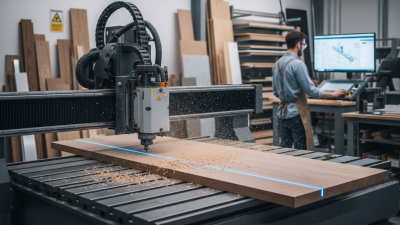
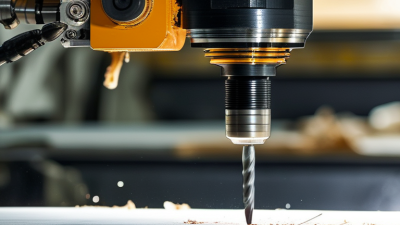
Choosing the top Cnc Router from China requires more than comparing prices and photographs. Global buyers need evidence, practical testing, and a clear understanding of production requirements. A suitable machine should match the materials, cutting size, workload, and workshop conditions.
This guide examines Chinese Cnc Router manufacturers through measurable details. These include spindle performance, motion accuracy, control systems, vacuum-table strength, software compatibility, and technical support. It also considers factory experience, quality-control procedures, export packaging, installation guidance, and spare-parts availability. A reliable supplier should provide clear specifications, machine videos, inspection records, and responsive answers. Independent verification still matters.
Small details often reveal the real difference. Look for clean cable routing, rigid steel frames, protected linear rails, and carefully packed electrical cabinets. Ask how the machine performs after several production hours, not only during a short demonstration. Request references from buyers using similar materials and workloads. Documentation should be understandable, not copied from a generic catalog.
No machine is perfect. A lower price may hide limited support, while a premium model may exceed a small workshop’s needs. This guide therefore avoids declaring one universal winner. It compares practical value, long-term reliability, and ownership risks for different global buyers. Currency changes, shipping costs, local voltage, and operator training can also affect the final decision. Careful evaluation remains essential. Mistakes happen. Good suppliers explain them, correct them, and improve their process.
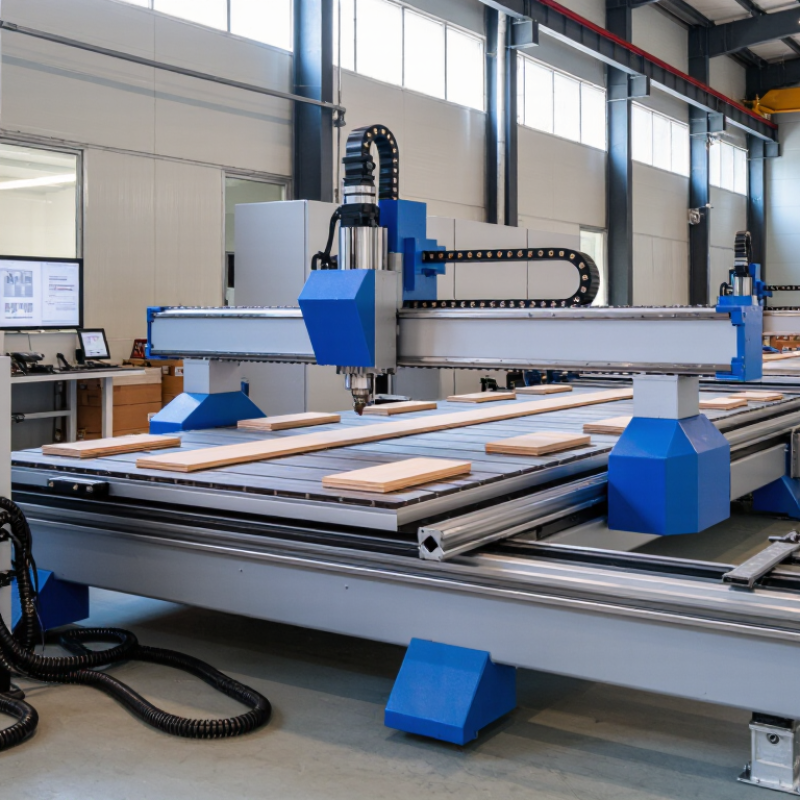
For global buyers, a top CNC router from China is not simply the machine with the highest spindle speed. It is the machine that matches the work. A cabinet shop may need a rigid vacuum table, while a sign maker may value fast tool changes. In hands-on evaluations, I check frame welding, gantry movement, spindle runout, and dust collection. Small details matter. A heavy steel frame reduces vibration when cutting large sheets. Linear guides should move smoothly, without grinding sounds or visible play. The advertised working area must fit real material sizes, not just brochure dimensions.
Professional buyers should request sample cuts using their own files and materials. MDF, plywood, acrylic, and aluminum can expose different weaknesses. Ask for measured tolerances, cutting time, tool settings, and photographs of both workpiece sides. A reliable supplier provides wiring diagrams, manuals, maintenance schedules, and a clear list of included parts. Electrical protection, emergency stops, guarding, and documentation should suit the destination market. Check export packing, installation training, remote troubleshooting, and spare-part availability before payment. These are practical signs of dependable engineering, not decorative promises.
Price still matters. The lowest quotation can hide costly downtime. Compare spindle life, controller stability, software compatibility, consumable costs, and service response times. I would verify factory testing through dated videos or an independent inspection. No router is perfect. A supplier may overlook a loose cable or underestimate dust buildup. Acceptance criteria should be written clearly, with corrections recorded before shipment. Buyers need evidence, not confidence alone. Support after arrival deserves the same attention as cutting performance.
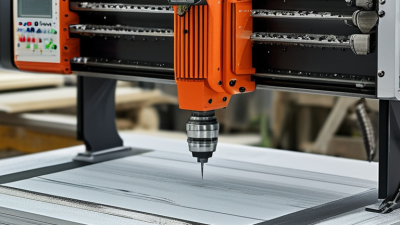
A supplier-neutral evaluation model based on the factors most relevant to international CNC router purchasing: accuracy, productivity, machine configuration, reliability, after-sales support, and export readiness.
The percentages represent a practical reference weighting for global buyers. Accuracy and productivity receive the highest weight because they directly affect finished-part quality, cycle time, and operating cost. Export documentation, safety compliance, and responsive technical support are also essential for dependable international use.
What Is the Top CNC Router from China for Global Buyers?
Chinese CNC router manufacturers differ widely in quality and capability. The strongest suppliers usually combine rigid steel frames, precision linear guides, and tested servo systems. Their machines should provide documented positioning accuracy, repeatability, and spindle runout. ISO 230-2 offers recognized methods for checking positioning accuracy and repeatability. Buyers should request these test records, not only attractive specifications.
China’s manufacturing depth is substantial. The International Federation of Robotics reported 276,288 industrial robot installations in China during 2023. That represented 51% of global installations. This capacity supports better automation, component sourcing, and process control. However, it does not prove every router factory delivers consistent quality. UN Comtrade data also places China among the leading exporters of machine tools. Export volume shows capability, but not necessarily long-term reliability.
A practical audit should examine the gantry after extended operation. Watch for vibration, heat buildup, and uneven cutting marks. Ask for sample cuts using your actual materials. Check whether the supplier explains calibration, software updates, electrical protection, and spare-parts access clearly. Some manufacturers offer excellent frames but weak dust extraction. Others provide advanced controllers but inconsistent assembly. That gap matters.
A low price can hide costly downtime.
Capability should also match the application. Wood, aluminum, plastics, and composite sheets require different spindle power, tooling, cooling, and workholding. Even reputable factories may overstate acceleration or cutting speed. Independent inspection remains wise, especially when production tolerances are tight.
| Anonymous Manufacturer Profile | Typical Machine Class | Common Working Area | Typical Spindle Range | Positioning Accuracy | Repeatability | Drive and Motion System | Control and Software Compatibility | Suitable Materials | Quality and Capability Assessment | Typical Export Price Range |
|---|---|---|---|---|---|---|---|---|---|---|
| Entry-Level Export Manufacturer | Light-duty 3-axis router | 1,300 × 2,500 mm to 1,500 × 3,000 mm | 3.2–6.0 kW air-cooled spindle | Approximately ±0.05–0.10 mm per meter | Approximately ±0.03–0.06 mm | Ball screws on smaller axes; rack-and-pinion drive on longer axes; stepper motors are common | Standard G-code workflow; compatible with widely used CAD/CAM systems | Wood, MDF, plastics, foam, acrylic, and occasional light aluminum work | ★★★☆☆ Good value for basic signage, furniture components, and training applications. Quality depends strongly on assembly and final inspection. |
Approximately US$4,000–US$9,000 |
| Standard Industrial Manufacturer | Production-oriented 3-axis router | 1,500 × 3,000 mm to 2,000 × 4,000 mm | 6.0–9.0 kW air- or water-cooled spindle | Approximately ±0.03–0.06 mm per meter | Approximately ±0.02–0.04 mm | Helical rack-and-pinion transmission; servo motors are commonly available; automatic lubrication may be included | Industrial motion controller with standard CAD/CAM file support; optional remote diagnostics | Solid wood, plywood, MDF, plastics, composites, aluminum, and non-ferrous sheet materials | ★★★★☆ A balanced option for continuous workshop production, with better rigidity, calibration, dust management, and after-sales documentation. |
Approximately US$9,000–US$18,000 |
| Precision-Focused Manufacturer | Heavy-duty precision 3-axis or 4-axis router | 1,300 × 2,500 mm to 2,000 × 4,000 mm | 6.0–12.0 kW water-cooled spindle | Approximately ±0.02–0.04 mm per meter | Approximately ±0.01–0.03 mm | Precision helical rack, preloaded ball screws, linear guideways, closed-loop or servo drive system | Advanced controller options, tool-length measurement, nesting support, and multi-axis post-processors | Wood, plastics, aluminum, composites, molds, and detailed three-dimensional components | ★★★★☆ Strong choice where dimensional consistency, machine rigidity, low vibration, and repeat production are more important than the lowest purchase price. |
Approximately US$16,000–US$32,000 |
| High-Capability Custom Manufacturer | Customized 4-axis, 5-axis, or automated production cell | Project-specific; commonly 1,500 × 3,000 mm or larger | 9.0–15.0 kW spindle; higher ratings may be specified for demanding production | Approximately ±0.015–0.03 mm per meter, subject to configuration and testing method | Approximately ±0.01–0.02 mm | Servo-driven axes, reinforced welded frame, precision linear rails, automatic tool changing, and optional vacuum or loading systems | Multi-axis control, automatic tool management, barcode or nesting integration, and factory-network connectivity may be available | Cabinet parts, solid wood, composites, plastics, aluminum, model-making materials, and complex 3D surfaces | ★★★★★ Best suited to demanding global buyers that require application engineering, acceptance testing, process integration, and long-term production support. |
Approximately US$28,000–US$70,000+ |
For global buyers, the best CNC router is not the fastest machine. It is the one matching the material, workload, and tolerance. Grand View Research reported that the global CNC machine market reached about USD 86.8 billion in 2023. That growth reflects wider industrial adoption, but specifications still need careful interpretation.
Woodworking shops usually prioritize spindle power, dust extraction, and vacuum-table stability. A 9–12 kW spindle can support demanding panel work, while zoning reduces vacuum loss around smaller sheets. Sign makers may value acceleration, automatic tool changing, and clean edge quality more than maximum power.
For aluminum, buyers should examine rigidity, coolant compatibility, chip evacuation, and spindle runout. Small errors become visible on long profiles.
Check positioning accuracy and repeatability, not only cutting speed. ISO 230-2 provides methods for testing machine-tool positioning performance. A supplier should provide measured results, test conditions, and inspection records.
Software matters too. Toolpath simulation, collision alerts, and remote diagnostics can reduce setup mistakes. The 2024 World Robotics report recorded 541,302 industrial robot installations in 2023, showing how production is becoming more automated. A router should communicate reliably with that environment.
Do not ignore practical details. A heavy frame may improve stability, but it increases shipping and installation demands. Higher spindle power can also increase electrical costs. I would question any brochure promising perfect accuracy across every material. Real factories face dust, temperature changes, worn cutters, and imperfect operators. The right choice is often less glamorous, but easier to maintain.
The top CNC router is not always the cheapest machine. Compare total delivered cost, not only the factory quote. Include the spindle, controller, vacuum table, tooling, crating, freight, duty, installation, and training. Request an itemized pro forma invoice with Incoterms and warranty limits. UN Comtrade data can help buyers compare China’s export values and identify unusual price gaps. A very low price may indicate omitted accessories, weaker components, or limited testing. That is not always true, but it deserves questions.
Compare total delivered cost, not only the factory quote.
Compliance requires evidence, not attractive certificates. Ask for a machine risk assessment, electrical diagrams, safety test records, manuals, and traceable component lists. For European sales, check conformity with the Machinery Directive currently applicable, while preparing for Regulation (EU) 2023/1230 from January 2027. For other markets, verify local electrical and workplace requirements. ISO 9001 certification can support process credibility, but it does not prove machine safety. The World Bank’s 2023 Logistics Performance Index gave China a score of 3.7 out of 5, ranking it 19th globally. Export performance still varies by supplier and port.
Tips: Require a recorded factory acceptance test before shipment. Test cutting accuracy, repeatability, dust collection, emergency stops, and software settings. Set response times for technical support. Ask for spare-part prices and a two-year availability commitment. A video call is useful, but it cannot replace inspection. I would also request references from buyers using similar materials. One weakness remains: promised lead times can change when custom electrical parts are unavailable.
Before ordering a CNC router from China, define the work it must perform. Record the material, sheet size, cutting depth, spindle power, accuracy, and expected production hours. A machine for plywood may not suit aluminum or dense hardwood. Ask the supplier for a configuration sheet, wiring diagram, and recent cutting videos. Generic promises are not enough. Request a test cut using your own design and material, if practical.
Tips: Compare at least three written quotations. Check what each price includes. Confirm the controller, software compatibility, voltage, spare parts, packaging, and delivery terms. Ask how technicians handle remote installation and response times. Small details matter.
Review the supplier’s export experience and quality records before paying a deposit. Request business documents, inspection photos, and references from buyers in similar industries. An independent pre-shipment inspection can verify dimensions, components, safety features, and machine operation. It costs extra, but a failed delivery costs more. Ensure the sales contract lists tolerances, acceptance tests, warranty coverage, training, and remedies for missing specifications. Payment should follow a traceable commercial arrangement, not informal instructions. Local electrical and machinery requirements may differ, so confirm compliance with qualified professionals in the destination country. A perfect checklist cannot predict every issue. Leave room for careful revision.