Top 10 Cnc Woodworking Machines for Efficient Production?
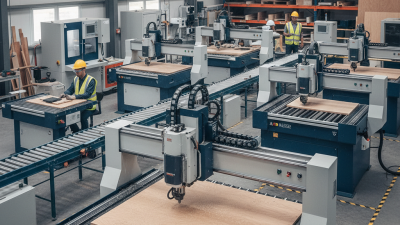
The CNC woodworking machine industry has seen remarkable advancements in recent years. Experts, like John Smith, a leading authority in CNC technology, emphasize the importance of efficiency in production. He states, "A top-quality CNC woodworking machine can transform your workshop into a powerhouse of creativity."
CNC machines are now central to woodworking operations. They allow for precise cuts, intricate designs, and a streamlined workflow. This technological evolution has made it more feasible for businesses to compete in a crowded market. However, not all CNC machines deliver the same level of performance. Selecting the right machine is crucial for achieving excellent results.
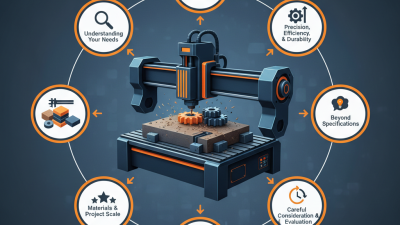
Investing in a CNC woodworking machine can revolutionize your production process. However, the choices can be overwhelming. It's essential to understand the features that matter most. Look for durability, software compatibility, and ease of use. Reflecting on your specific needs will lead to better decision-making in machine selection. The wrong machine can hinder your output and creativity. Choosing wisely is vital for success in this fast-evolving industry.
Overview of CNC Woodworking Machines and Their Advantages
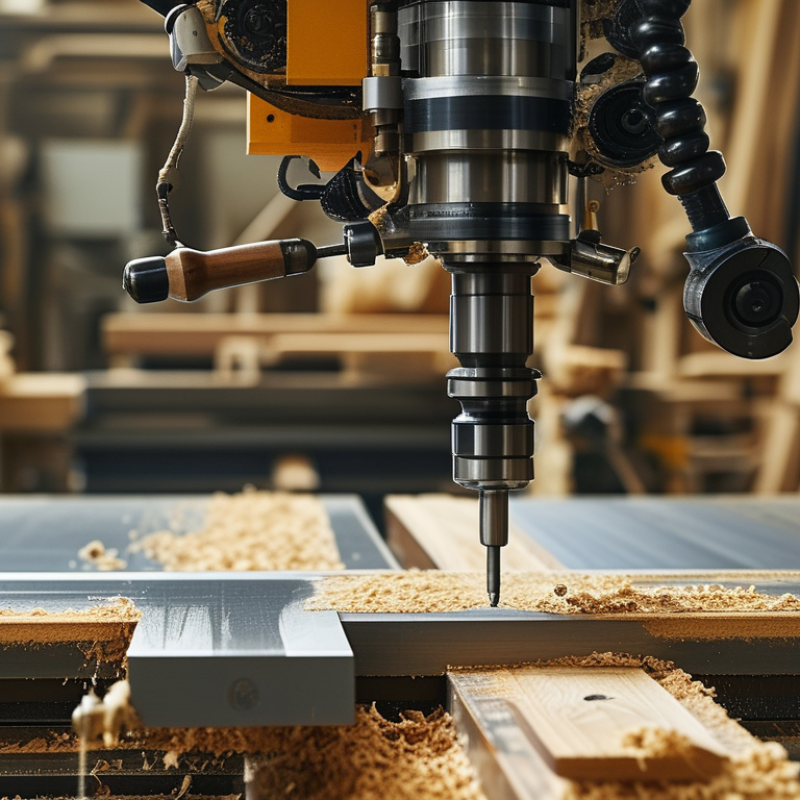
CNC woodworking machines have revolutionized the woodworking industry. These machines enable precise cuts and intricate designs, boosting efficiency. They cater to both small workshops and large production facilities. The automation offered by CNC machines reduces manual labor, allowing craftsmen to focus on design and creativity.
One of the significant advantages of CNC woodworking machines is their consistency. Once programmed, they deliver the same result every time. This reliability helps in maintaining quality and reduces waste. However, operators need to have a good understanding of both programming and machinery. A lack of knowledge can lead to errors and increased costs.
CNC machines also offer versatility. They can handle various materials like plywood, MDF, and hardwood. This flexibility supports diverse projects, from custom furniture to intricate carvings. Yet, there is a learning curve. Many users might struggle initially with the software or machine maintenance. As the industry evolves, staying updated with technology is vital for sustained success.
Key Features to Consider When Choosing CNC Woodworking Machines
When selecting a CNC woodworking machine, the spindle power is crucial. A robust spindle can handle various materials, including hardwoods and composites. Look for machines with adjustable speeds. This flexibility enhances cutting precision across different projects.
Another critical aspect is the machine's software compatibility. A user-friendly interface allows for seamless design and operation. Advanced features like automatic tool changers can save time during production. Consider whether the machine can integrate with existing design software.
Finally, evaluate the machine's build quality. A solid chassis ensures stability during operation. This reduces vibration and improves precision. However, heavy machines may limit portability. Reflect on your workspace and production needs carefully. The right balance can improve efficiency and output quality.
Top 10 CNC Woodworking Machines Reviewed: Performance and Efficiency
CNC woodworking machines offer efficiency and precision in woodworking projects. These machines can handle complex designs with high accuracy, making them essential tools in modern carpentry. The right machine can drastically reduce production time. Many woodworkers have shared their insights on optimizing workflow with these machines.
When selecting a CNC machine, consider its capabilities. Look for features like spindle speed and cutting power. Some machines handle thick hardwoods better than others. User reviews often reveal common issues, like software compatibility. It’s crucial to choose a machine that fits your production needs.
Tips: Regular maintenance is key. Clean the machine regularly to prevent build-up. Also, plan your designs carefully to minimize waste. Analyzing past projects can provide insight into optimizing future designs. Test cuts can save material and time. Remember, every machine has a learning curve. Invest time in mastering your tools to enhance efficiency.
Comparison of CNC Woodworking Machines: Cost, Features, and Capability
When choosing a CNC woodworking machine, evaluating its cost, features, and capabilities is crucial. Different models offer various functionalities tailored for distinct production requirements. For example, some machines focus on precision cutting, while others excel in joining or milling. The cost can significantly impact decision-making, and it's essential to understand what you are getting for your investment.
Features are another critical aspect. A good machine should have user-friendly software and adjustable settings to accommodate various projects. However, the complexity of some advanced features can overwhelm new users. It’s essential to weigh the learning curve against the capabilities offered.
Finally, consider the machine's capability in terms of material compatibility and production speed. Some CNC machines can handle various woods and composites, making them versatile choices for diverse applications. Reflect on your specific needs and potential limitations. The right machine should align with both your current requirements and future growth.
Top 10 CNC Woodworking Machines for Efficient Production
| Machine Model |
Cost ($) |
Features |
Max Cutting Speed (mm/min) |
Accuracy (mm) |
| CNC Router A |
8000 |
Integrated software, auto tool changer |
3000 |
0.05 |
| CNC Router B |
9500 |
Multi-axis control, dust collection |
2800 |
0.1 |
| CNC Router C |
12000 |
High-frequency spindle, enclosed design |
3500 |
0.02 |
| CNC Router D |
7000 |
User-friendly interface, compact design |
2500 |
0.1 |
| CNC Router E |
8500 |
Laser engraver integration, robust frame |
3200 |
0.05 |
| CNC Router F |
9400 |
Advanced safety features, high torque |
2900 |
0.08 |
| CNC Router G |
7800 |
Dual-axis servo motors, acceleration control |
3400 |
0.07 |
| CNC Router H |
9900 |
Heavy-duty design, customizable features |
2200 |
0.1 |
| CNC Router I |
11500 |
Intuitive software, network connectivity |
3600 |
0.04 |
| CNC Router J |
8600 |
Portable design, battery operation |
2000 |
0.1 |
Future Trends in CNC Technology for Woodworking Production
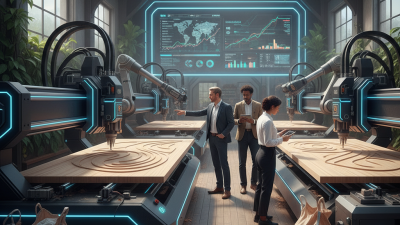
As the woodworking industry evolves, CNC technology plays a crucial role. The future of CNC machines is focused on increasing efficiency and precision. One trend is the integration of artificial intelligence. AI can analyze data from production processes and optimize operations in real time.
Another significant trend is the rise of IoT-enabled machines. These devices track performance metrics and send updates to operators. This connectivity helps to identify potential issues before they escalate. However, while this technology is promising, it does require a certain level of technical expertise. Beginners may find it overwhelming.
**Tips:** Start small with CNC technology. Familiarize yourself with basic operations before integrating advanced features. Often, less is more when optimizing production processes. Experiment with automation gradually to avoid disruptions. Always keep learning to stay ahead of trends and enhance your skills.
Top 10 CNC Woodworking Machines for Efficient Production