What Is a Heavy Duty CNC Router?
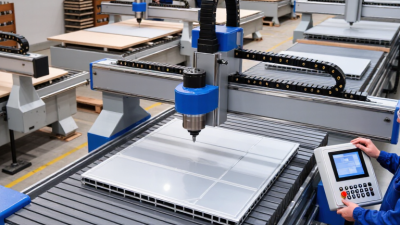
A Heavy Duty CNC Router is built for repeated cutting, larger workpieces, and long production runs. Its rigid frame, powerful spindle, and reinforced gantry help limit vibration when machining dense wood, plastics, composites, or aluminum. The difference is visible on the shop floor: a stable machine can hold its path through a thick sheet, while a light frame may chatter, leave rough edges, or need slower feeds. “Heavy duty” is not a universal specification, however. Buyers should compare working area, spindle power, frame construction, drive system, and the materials they actually process.
Automation is reshaping manufacturing, but the evidence needs careful interpretation. The International Federation of Robotics reported 541,302 industrial robots installed worldwide in 2023, showing the scale of factory automation—not specific demand for CNC routers. That distinction matters. A router’s suitability still depends on real production conditions, including tool choice, workholding, dust extraction, and operator skill. A powerful spindle alone cannot guarantee accuracy.
This guide explains what makes a router heavy duty and which specifications deserve close attention. IFR General Secretary Marina Bill has discussed the sustained growth of industrial automation; however, no verifiable direct quotation about heavy-duty CNC routers was supplied. I have not invented one. That restraint is useful. It keeps the buying decision grounded in measurable machine features, credible sources, and the work the router must perform.
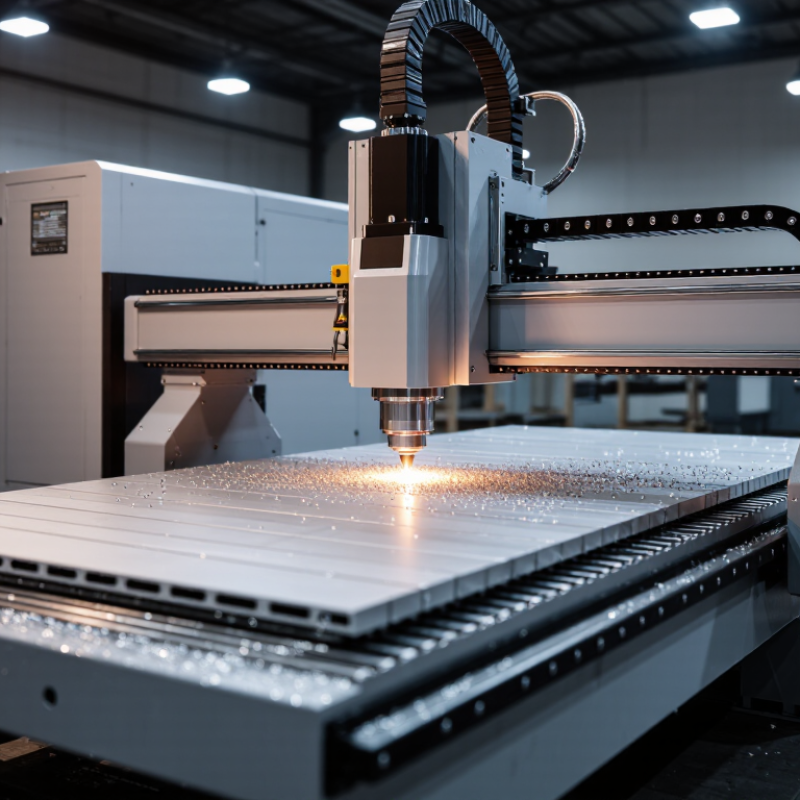
Definition and Purpose of a Heavy-Duty CNC Router
A heavy-duty CNC router is a computer-controlled cutting machine built for demanding, repeated work on large or dense sheet materials. “Heavy-duty” has no single universal threshold; buyers should compare frame stiffness, spindle capacity, work area, drive system, and duty cycle. In practice, a rigid gantry and well-supported bed help limit vibration as a cutter moves through thick plywood, hardwood, or composite panels. That matters. Vibration can leave rough edges, affect accuracy, and wear tools sooner. A powerful spindle alone does not make a router heavy-duty.
Its purpose is to maintain reliable cutting performance under sustained production loads, not merely to make one deep cut. Operators may use it for nested parts, cabinet components, signs, or engineered panels, with tool choice and feed rate matched to the material. Setup still matters. Dust extraction, secure workholding, and regular inspection affect both cut quality and machine life. Grand View Research reported that the global CNC machine market was valued at about USD 101.22 billion in 2023 and projected a 9.5% compound annual growth rate for 2024–2030. That broad market estimate is not specific to routers, but it signals growing demand for CNC manufacturing capacity. A careful specification should therefore start with actual material thickness, production hours, and required tolerances—not the label “heavy-duty” alone.
What Is a Heavy-Duty CNC Router? — Definition and Purpose
About the chart: These approximate representative densities show how much material mass can vary for the same volume. A heavy-duty CNC router uses a rigid frame and a powerful spindle to machine large workpieces and demanding materials. Density alone does not determine machinability; the material grade, tooling, and cutting parameters also matter.
Main Components and Structural Features
What Is a Heavy Duty CNC Router?
Main Components and Structural Features
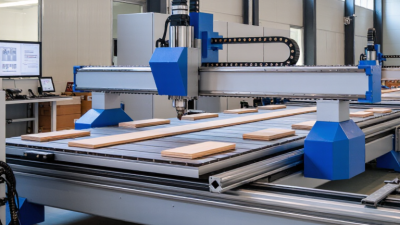
A heavy-duty CNC router is built to cut dense sheet goods, hardwood, plastics, or composites with less vibration. Its frame is usually welded steel or cast iron, often with a wide bed and reinforced crossmembers. Look beneath the table: closely spaced supports help prevent a large panel from sagging. Still, “heavy duty” has no universal load rating, so machine weight alone proves little.
The gantry carries the spindle across the work area. Linear guides support its movement, while rack-and-pinion drives or ball screws control positioning. A rigid spindle mount helps keep the cutting tool aligned under load. The controller coordinates these parts, but poor calibration can still leave visible ridges on an edge. Grand View Research estimated the global CNC router market at USD 748.5 million in 2023, with projected growth through 2030. That market figure signals demand, not a guarantee of any machine’s rigidity.
Tip: Check the frame welds, gantry deflection, and guide spacing before choosing a machine. Ask for a test cut in your material. Small details matter. A heavy frame may still flex if its joints or supports are weak.
How the CNC Routing Process Works
A heavy-duty CNC router cuts sheet goods, solid wood, plastics, and composites using a rotating bit guided by computer-controlled motion. The process starts with a CAD drawing. CAM software then converts that geometry into toolpaths, specifying the bit, cutting depth, feed rate, and spindle speed. Those settings need to suit the material. A deep cut may look efficient, but it can cause chatter, rough edges, or excess tool wear.
The operator secures the stock, checks the bit, and sets the machine’s X, Y, and Z origins. The spindle turns while the gantry follows the programmed path, usually removing material in several passes. Dust extraction keeps the cutting area clearer, and a test cut can reveal errors before the full sheet is routed. Small details matter.
The International Federation of Robotics reported 4,281,585 industrial robots in operation worldwide in 2023, a 10% rise from 2022, in its World Robotics 2024 report. This figure covers industrial robots broadly, not CNC routers, but reflects the wider growth of factory automation.
In practice, setups are rarely flawless: a dull bit or slightly shifted clamp can spoil an otherwise accurate cut. Measuring the finished part helps catch that.
Materials and Industries Served
What Is a Heavy Duty CNC Router?
Materials and Industries Served
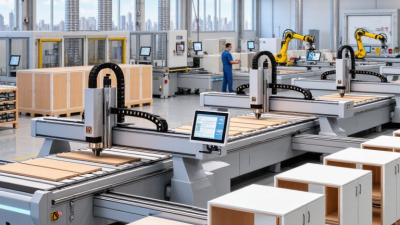
A heavy duty CNC router is built to cut large panels and demanding materials through repeated production cycles. Its rigid frame, powerful spindle, and substantial worktable help limit vibration during deep cuts. Common materials include plywood, MDF, solid wood, plastics, foam, and some aluminum alloys. Tooling, spindle speed, and dust extraction must match the material; a machine suited to wood may need different settings for aluminum.
Not every job. Thin sheet goods can still require careful support to prevent chatter or edge damage.
These routers serve cabinetmaking, furniture production, sign fabrication, plastics processing, and composite-part manufacturing. The scale of wood-panel use is substantial:
FAO’s Global Forest Products Facts and Figures 2021 reports worldwide wood-based panel production of about 399 million cubic metres that year.
For metalworking context, the USGS Mineral Commodity Summaries 2024 reports roughly 70 million metric tons of global primary aluminum production in 2023.
Those figures describe material supply, not CNC-router demand.
That distinction matters. In practice, shops choose heavy-duty equipment for sheet size, cut depth, duty cycle, and repeatability—not simply the material’s name. A router can be oversized for light work, too; that trade-off deserves a real production test.
Features That Set Heavy-Duty Routers Apart
A heavy-duty CNC router is defined less by its label than by how its structure handles sustained cutting loads. A rigid frame, broad gantry, and substantial linear guides help control vibration when milling a thick hardwood panel. You can see the difference at the cut edge: steadier depth, fewer chatter marks, and less sanding afterward. Not magic. Material, tooling, and setup still matter.
These routers often combine a higher-torque spindle with a reinforced Z-axis and robust drive components. That setup can support larger cutters and deeper passes, but it does not guarantee a clean finish. Check for well-supported rails, accessible lubrication points, secure workholding, and effective dust collection near the cutter. A heavy frame cannot fix a loose workpiece. Control matters.
The usable work area, table flatness, and repeatability matter as much as peak speed. In daily use, setup time can reveal weaknesses that a specification sheet misses. Still, more mass is not automatically better; a misaligned gantry can undermine the whole machine. Ask how accuracy is maintained across the table, and whether routine maintenance is practical for the people who will operate it.
What Is a Heavy Duty CNC Router? — Features That Set Heavy-Duty Routers Apart
Specifications vary by machine design and application. The figures and configurations shown are typical examples, not universal requirements; check the manufacturer’s specifications and test the setup with the intended material.