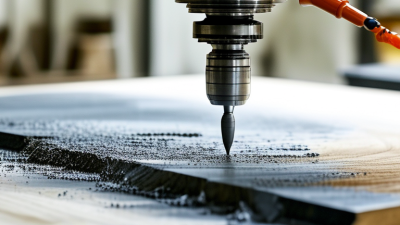
China Top 10 3 Axis Machine Manufacturers for Buyers
Choosing among China’s top 10 manufacturers of 3-Axis Machines calls for more than comparing catalog prices. Buyers should examine machine rigidity, spindle performance, positioning accuracy, control systems, and the support available after installation. These details affect real work: a heavy steel part, a fine aluminum mold, and a short production run place different demands on a machine.
Quality expert W. Edwards Deming said, “Quality comes not from inspection, but from improvement of the production process.” That principle is useful when assessing machine suppliers. Ask how each manufacturer verifies accuracy, documents testing, and responds when a machine needs service. Request clear specifications and, where possible, a sample cut or reference from a comparable application. A polished brochure is not a production test.
This guide introduces ten Chinese manufacturers for buyers to investigate, rather than treating one ranking as right for every shop. Compare build options, delivery terms, training, spare-parts access, and communication before making a decision. A low purchase price may not mean lower lifetime cost. No shortlist is perfect. Some details are hard to verify from a distance, and supplier capabilities can change. Buyers should confirm current specifications directly and match them to their materials, tolerances, workload, and budget. The right 3-Axis Machines are not simply the most powerful; they are the ones that reliably fit the job.
Understanding 3-Axis Machines and Their Applications
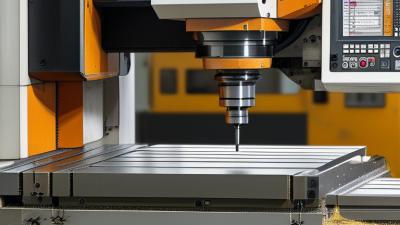
A 3-axis machine moves its cutting tool, table, or both along the X, Y, and Z directions. This arrangement handles flat faces, drilled holes, slots, and many milled pockets. It suits prototype parts, production fixtures, equipment plates, and common brackets. A machinist can often complete several features in one setup. Fewer setups can reduce handling time and alignment errors. Three axes only. Undercuts and curved surfaces may require extra setups, custom fixtures, or rotary equipment. That can add cost and introduce positioning errors.
The International Federation of Robotics’ World Robotics 2024 report counted 4.28 million industrial robots operating worldwide in 2023. This figure reflects broad factory automation; it does not show that every workshop needs advanced multi-axis equipment.
For buyers, the useful question is whether the part’s geometry, tolerance, and annual volume suit three-axis work. Check spindle power, table size, tool capacity, and local service support against real production needs. A small aluminum housing may need speed and clean chip removal; a steel fixture may demand rigidity and careful tool selection. One detail is easy to underestimate: workholding. A capable machine can still produce inconsistent parts when the fixture shifts or the setup is poorly documented.
How to Evaluate Chinese 3-Axis Machine Manufacturers
When comparing Chinese 3-axis machine manufacturers, look beyond listed travel, spindle speed, and brochure specifications. Ask for a recent inspection report and a test cut using material similar to yours. Request measured dimensions, toolpath details, and cutting conditions. A clean sample matters. So does repeatability. If results vary between cycles, one accurate part may prove little. Check how the manufacturer measures axis positioning, backlash, and table flatness. Ask whether those results are recorded for each machine.
Match components to your workload, including the machine structure, guideways, ball screws, spindle, and controller. Clarify which items are standard and which change with the quotation. Discuss installation, operator training, spare-part lead times, warranty coverage, and remote support. Get answers in writing. If possible, visit the factory or arrange a live video tour of assembly and inspection areas. Look for calibrated gauges, labeled components, and staff who can explain a failed test clearly. No supplier is perfect. One awkward call proves little, but vague answers deserve follow-up. Compare quotes using the same checklist, and consider an independent pre-shipment inspection before agreeing on payment milestones.
China’s Top 10 3-Axis Machine Manufacturers
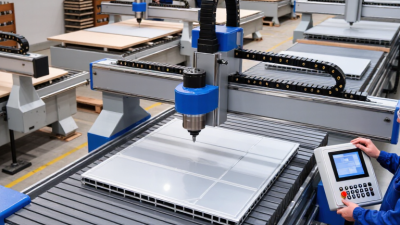
China’s Top 10 3-Axis Machine Manufacturers are best compared by practical capability, not brochure claims alone. A three-axis milling machine moves along the X, Y, and Z directions, making it suitable for common parts such as plates, brackets, and simple molds. Buyers should check the working envelope, spindle speed, tool capacity, and positioning accuracy against their actual drawings. Bigger is not always better.
A useful shortlist considers more than machine specifications. Ask manufacturers for test-cut results on comparable materials, installation requirements, and details about operator training. Request a sample inspection report, too. A cut aluminum block can reveal surface finish and edge quality more clearly than polished photographs. Confirm which components are locally supported and how quickly routine replacement parts can be supplied. These details affect production after delivery.
Factory visits or live video inspections can help verify assembly, calibration, and quality-control procedures. Ask how the supplier handles machine acceptance and what records accompany shipment. Still, one comparison can mislead: cutting conditions, tooling, and measurement methods vary. No shortlist is perfect. Buyers should compare several written quotations and review the same technical requirements with each manufacturer before deciding.
Comparing Manufacturers by Machines, Technology, and Support
Choosing a 3-axis machine means comparing more than travel and spindle speed. Ask for positioning accuracy, repeatability, spindle runout, and cutting results on a sample part. A smooth demonstration cut is useful, but it does not show performance after hours of production. Details matter.
The International Federation of Robotics’ World Robotics 2024 report recorded 541,302 industrial robot installations in 2023, up 5% from 2022. This growth makes control compatibility and automation readiness worth checking, even for buyers starting with a standalone mill. Confirm available interfaces, probing options, and whether the control supports your planned workflow. Still, automation may not suit every shop.
Support can separate similar machines. Request written response times, local technician coverage, operator training hours, and spare-parts lead times. Ask how service handles a failed spindle sensor on a Friday afternoon, not just routine maintenance. Compare warranty terms alongside machine specifications. A neat scorecard can hide weak evidence; some figures may be measured under different conditions. I would verify critical claims with a test cut and a service reference before committing.
China Top 10 3 Axis Machine Manufacturers for Buyers — Comparing Machines, Technology, and Support
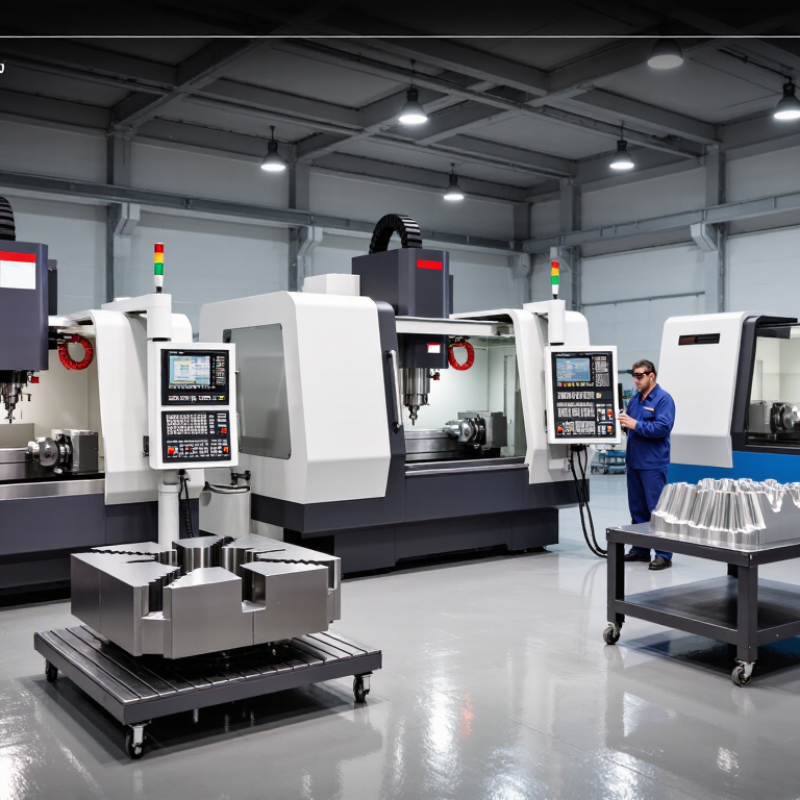
A 3-axis CNC machine uses three linear axes: X, Y, and Z. This chart illustrates that basic machine configuration; it does not rate manufacturers. Compare each model’s travel, spindle, control technology, and support separately.
Key Factors for Buyers Choosing a Chinese Supplier
When comparing Chinese 3-axis machine suppliers, start with the workpiece, not the brochure. Check the required travel, material, cutting depth, and tolerance. A steel component may need a more rigid frame and spindle than an aluminum part. Ask for a sample cut using material similar to yours. Request measured results, not only a video of the machine running.
Inspect the details that affect daily production. Ask about spindle power, guideways, controller options, tool-changing capacity, and guarding. Confirm how accuracy is tested and whether the supplier can provide inspection records. A polished brochure is not proof. If possible, arrange a live factory visit or an independent inspection before shipment. Small inconsistencies in specifications deserve questions.
Service matters after delivery. Confirm which spare parts are stocked, how quickly technical support responds, and whether manuals and training are available in a language your operators understand. Get the warranty scope, installation costs, and shipping terms in writing. Compare the full cost, including tooling and commissioning, rather than the machine price alone. I would still ask for references from buyers with similar workloads; supplier claims can sound convincing, but real operating feedback may reveal gaps. No checklist removes every risk.