Why Choose Panel Drilling Machines for Your Manufacturing Needs?
In today's competitive manufacturing landscape, efficiency is critical. Panel Drilling Machines have emerged as a vital asset in woodworking and metalworking industries. According to a report by MarketsandMarkets, the global woodworking machinery market is expected to reach $6.3 billion by 2025, highlighting the increasing importance of technologies like panel drilling in achieving productivity and precision.
These machines excel in their ability to drill multiple holes quickly and accurately, catering to the diverse needs of manufacturers. They significantly reduce production time and minimize waste, which is critical as industries face rising material costs. However, selecting the right equipment might pose challenges. Companies must weigh the initial investment against the long-term gains in efficiency and quality.
While Panel Drilling Machines offer many advantages, they also require proper training and maintenance to operate effectively. Lack of expertise can lead to errors and downtime, emphasizing the need for skilled operators. Understanding how to harness the full potential of these machines is essential for any manufacturing operation aiming to thrive in a rapidly evolving market.
Panel Drilling Machines: An Overview of Their Functionality and Design
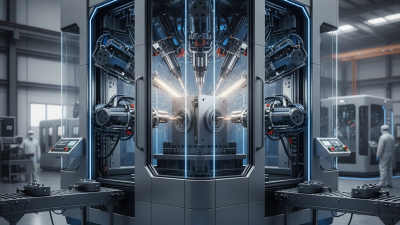
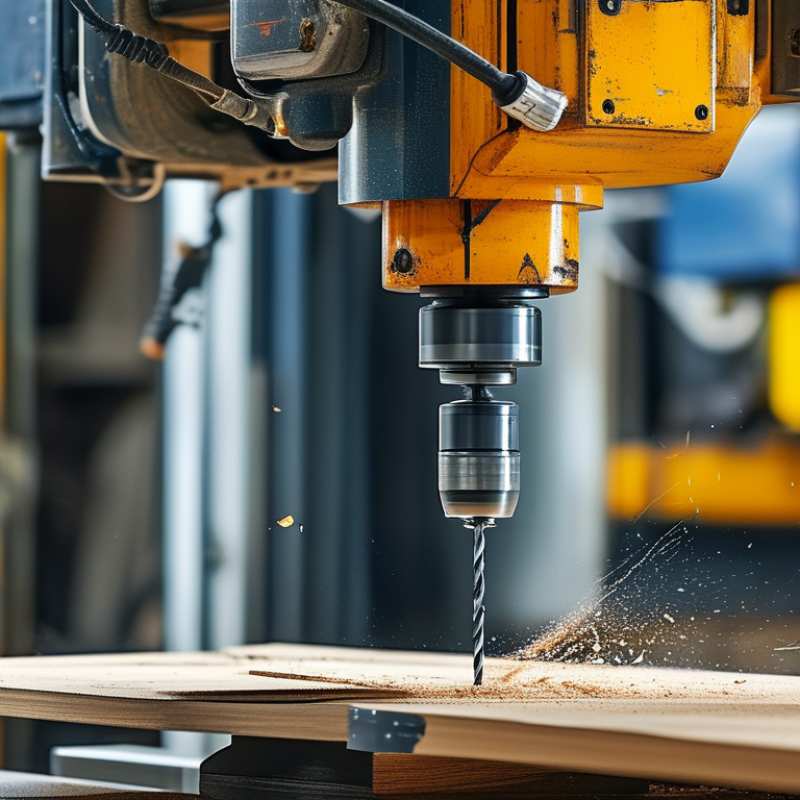
Panel drilling machines are vital tools in modern manufacturing. Their design focuses on efficiency and precision. These machines typically consist of multiple spindles, allowing simultaneous drilling. This feature enhances productivity, especially when working with large panels. Operators can expect consistent results, which is critical for maintaining quality standards.
The functionality of panel drilling machines extends beyond simple drilling. They can also perform tasks like countersinking and spot facing. The versatility in design enables manufacturers to adapt the machines to different materials. However, they do require regular maintenance to function optimally. Neglecting this aspect can lead to issues, impacting overall efficiency and accuracy.
While panel drilling machines offer significant advantages, they are not without limitations. Operators must be trained to maximize their potential. Incorrect setups can lead to wasted materials and time. Understanding these nuances is essential for integrating these machines into a production line effectively. Embracing both their strengths and weaknesses helps businesses make informed decisions about their equipment.
Efficiency and Precision: Key Advantages of Panel Drilling Machines
Panel drilling machines are becoming essential in modern manufacturing. Their ability to combine efficiency and precision sets them apart. These machines streamline the drilling process, making it faster and more accurate. This is crucial in industries where time and quality matter. Unlike traditional methods, panel drilling machines provide consistent results. Manufacturers can achieve high production rates without sacrificing quality.
**Tip:** Regular maintenance of your drilling machines enhances longevity and performance. A well-maintained machine minimizes downtime and increases overall productivity.
Efficiency is not just about speed; it’s also about resource management. Panel drilling machines optimize material usage. Less waste translates to cost savings, making them a wise choice for manufacturers. Precision is another advantage. These machines deliver exact measurements, ensuring that every hole drilled meets specifications. This reduces the risk of errors that can lead to costly rework.
**Tip:** Train your staff on the specific functionalities of panel drilling machines. Knowledgeable operators can further maximize efficiency and accuracy. An informed team is necessary for maintaining high production quality.
Organizations should reflect on their choices carefully. While panel drilling machines offer numerous advantages, they require proper integration into existing workflows. Some companies may face a learning curve. It’s essential to evaluate how these machines fit into your manufacturing processes. Adjustments might be necessary to harness their full potential.
Why Choose Panel Drilling Machines for Your Manufacturing Needs?
| Feature |
Panel Drilling Machines |
Traditional Drilling Machines |
| Efficiency |
High speed with minimal downtime |
Typically slower with longer setup times |
| Precision |
Very high accuracy and repeatability |
Good precision, but often less consistent |
| Versatility |
Can handle various materials and thicknesses |
Limited to specific types of materials |
| User-Friendliness |
Often equipped with advanced control systems |
Basic controls, may require more skill |
| Cost-Effectiveness |
Higher initial investment, lower operating costs |
Lower upfront cost, but higher long-term costs |
Industry Statistics: Impact of Panel Drilling on Manufacturing Productivity
Panel drilling machines have demonstrated significant impact on manufacturing productivity. Industry studies indicate that their use can enhance efficiency by up to 30%. This efficiency boost comes from their ability to perform precise drilling operations on panels quickly. Manufacturers can achieve high-quality results with minimal waste.
Recent statistics show that companies adopting panel drilling technology report 25% reductions in production time. Automation speeds up processes, reducing labor costs as well. However, transitioning to these machines isn’t without challenges. Some businesses struggle with the initial investment and training requirements.
Data from industry reports suggest a growing trend towards automation, with panel drilling machines becoming increasingly popular. About 35% of manufacturers have integrated automated drilling solutions in the last two years. The benefits are compelling, but the journey to implementation often raises important questions about skill gaps and workforce adaptation.
Comparison with Traditional Drilling Techniques: Cost and Time Efficiency
Panel drilling machines have become increasingly popular in manufacturing due to their cost and time efficiency. Compared to traditional drilling techniques, they offer substantial advantages. A recent industry report shows that panel drilling machines can reduce production time by up to 30%. This improvement allows manufacturers to
increase output without sacrificing quality.
Cost efficiency is another significant factor. Traditional drilling methods often require multiple setups, leading to higher labor costs. In contrast, panel drilling machines can process multiple holes in a single operation. This feature can decrease labor costs by as much as 25%. Additionally, the reduction in material waste is notable; studies indicate that panel drilling minimizes waste by 15%, contributing to overall cost savings.
However, transition to advanced machinery poses challenges. Manufacturers must train personnel, which incurs initial costs. While panel drilling machines provide efficiency, quality must remain paramount. Balancing speed with accuracy is crucial. Some facilities report a learning curve, where initial outputs may not meet expectations. Reflecting on these challenges highlights the need for thorough training and planning.
Future Trends in Panel Drilling Technology and Market Growth Projections
The panel drilling machine market is experiencing significant growth. According to a recent industry report, the market is projected to expand at a compound annual growth rate (CAGR) of 5.2% from 2023 to 2030. This growth indicates a shift in how manufacturers approach their production processes. As demand for precision and efficiency increases, panel drilling machines are becoming essential in various sectors.
Future trends show that automation is vital. More companies are investing in smart technologies to enhance drilling operations. Integrating IoT and AI can optimize performance and reduce downtime. It enhances user experience, but it requires a shift in skillsets for operators. As technology evolves, manufacturers will need trained personnel to leverage these advancements effectively.
Sustainability is another emerging focus. Reports indicate that eco-friendly drilling solutions are in demand. Reducing waste and energy consumption is becoming a priority. However, transitioning to green technologies can be challenging for many companies. They must invest in new equipment and training, which can strain budgets. Embracing these changes is crucial for future competitiveness.