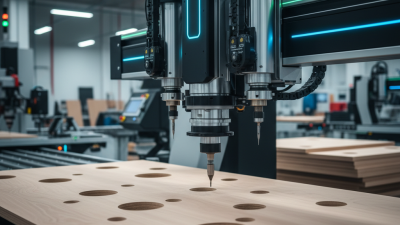
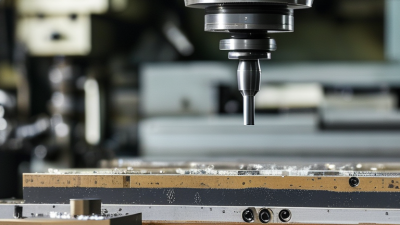
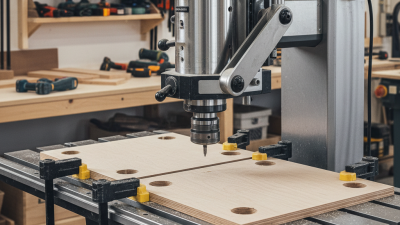
Choosing Panel Drilling Machines is not just a matter of comparing prices or counting spindle heads. The right machine should match the panels your shop actually processes, from narrow cabinet sides to full-size boards. Consider daily output, hole patterns, material thickness, and the space available around the production line. A machine that looks impressive in a showroom may be awkward beside a busy assembly bench.
Start by checking the work envelope, drilling capacity, spindle arrangement, and control system. These details affect how easily operators can switch between jobs and maintain consistent hole placement. Ask suppliers for demonstrations using materials similar to yours, such as laminated particleboard or plywood. Watch how panels are loaded, clamped, drilled, and removed. Small delays add up. So do setup errors. Safety features, service access, spare-part availability, and operator training also deserve attention; they are easy to overlook when a quote focuses on speed.
The best choice depends on your current workflow and realistic growth plans. A compact machine may suit a small shop with varied orders, while higher-volume production may benefit from automated loading or multiple drilling units. Still, automation is not automatically better. It can bring extra setup needs and maintenance costs. Compare total ownership costs, not only the purchase price, and ask for clear details on warranty coverage and local technical support. Some assumptions will need testing. A careful trial can reveal issues that a specification sheet cannot.
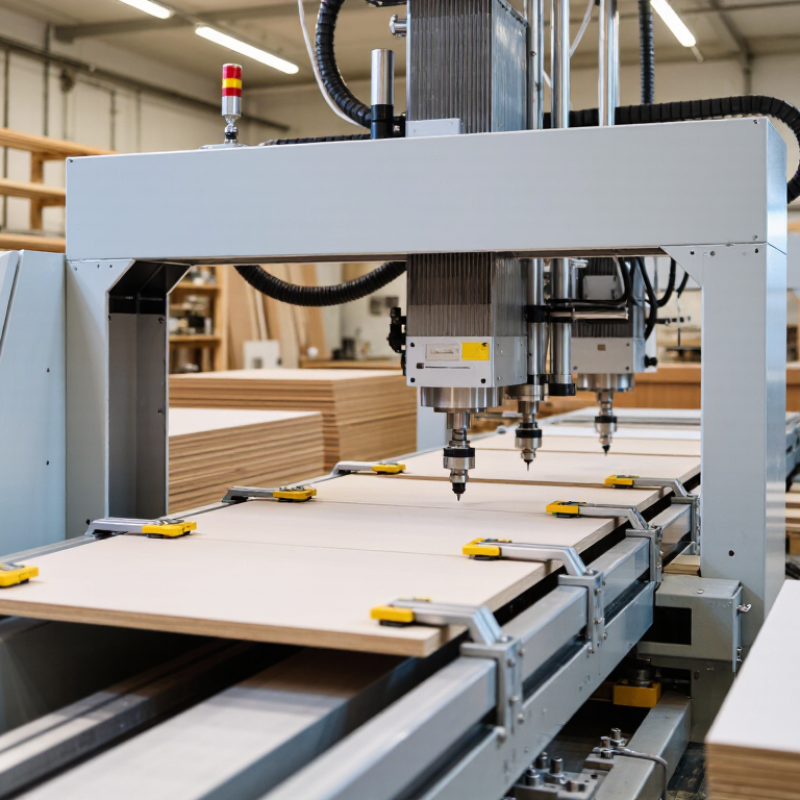
Choosing a panel drilling machine starts with production reality, not brochure speed. Record daily panel volume, batch sizes, hole counts, and changeover time. A workshop making ten cabinets weekly needs different capacity from a line processing hundreds daily. Measure peak demand, not only average demand. Otherwise, a machine may seem adequate until seasonal orders arrive. Include operator skill and available floor space. These details affect loading design, automation, and maintenance access.
Panel materials behave differently under drilling pressure. Melamine-faced board can chip around the exit hole. MDF produces fine dust and may need stronger extraction. Plywood varies by veneer direction and density. Test samples from your actual suppliers, including the thinnest and thickest panels. Check hole diameter, depth, edge distance, and acceptable tear-out. Ask for repeatability records, not only maximum spindle speed. A small error can misalign hinges across an entire cabinet. I have seen teams focus on speed and regret ignoring dust handling. That choice was expensive to correct.
Tips: Build a simple trial sheet before selecting equipment. List each panel thickness, common hole pattern, drilling depth, and required tolerance. Run repeated tests, not one perfect sample. Watch the operator load a heavy panel. Note awkward movements, dust buildup, and tool changes. A machine that saves seconds but creates fatigue may reduce real productivity. Leave room for learning. Your first capacity estimate may be wrong.
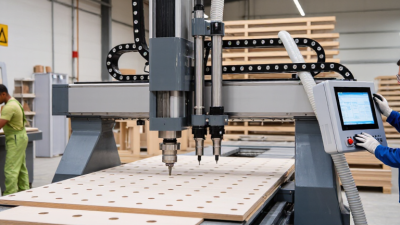
Panel drilling machines differ in how they locate parts, move the drilling head, and handle repeated patterns. A single-head machine suits small workshops making varied cabinets, but operators must reposition each panel carefully. Multi-spindle machines drill several holes at once, reducing cycle time on repeat jobs. CNC machines add programmable hole patterns and can handle frequent design changes, though setup and training take time.
Configuration matters as much as machine type. Check panel dimensions, thickness range, hole spacing, and whether horizontal edge drilling is required. A through-feed system may suit steady production; a manual-loading machine can be more practical where floor space is tight. Small details count. Look closely at clamps and support tables: a panel that shifts by a few millimetres can spoil a row of shelf-pin holes. The choice is not always obvious.
Grand View Research estimated the global woodworking machinery market at about USD 4.7 billion in 2023, with projected growth through 2030. That broad market figure is not a panel-drilling forecast, but it signals continued investment across woodworking equipment. Compare machines using your own job mix and measured cycle times, not headline spindle counts alone. Ask suppliers to demonstrate your actual panel material and drilling pattern. Even then, the test may not reflect a busy shift. That is worth admitting.
Choose a panel drilling machine around the panels you actually process, not an occasional oversized job. Record common panel lengths, thicknesses, hole patterns, and daily volume. Leave room for larger work if it is likely, but avoid paying for capacity that sits unused. A machine’s stated capacity matters only if it fits your material and handling space. Check how panels are loaded and supported. Awkward lifting can slow production and create inconsistent positioning.
Precision depends on more than the machine’s advertised tolerance. Look at how it references panel edges, holds material, and handles repeated hole spacing. Ask for a sample run using your own panel type, then measure several holes across the sheet. Small errors can become visible when fittings must align across adjoining cabinets. Test it. Also check whether setup changes require tools or lengthy adjustments; that detail is easy to overlook.
Compare cycle times under realistic conditions, including loading, tool changes, and repositioning. A fast drilling head may not improve output if operators wait between jobs. Automation can reduce repetitive measuring and improve consistency, but only when it suits your workflow and staff can operate it confidently. Review programming, job recall, maintenance access, and operator training before deciding. Catalog figures are useful, not guarantees. A slightly slower machine may be the better fit for a shop with frequent custom sizes. Some estimates will still miss the mark. That is normal.
Before comparing panel drilling machines, check whether their software fits your existing design and production workflow. Confirm supported file formats, post-processors, and version requirements with your software provider. A sample job can reveal problems that a brochure will not. Run a familiar cabinet panel through the full process, from design export to drilling, and check hole positions and labels. Small test, big value.
Safety features need practical inspection, not just a checklist. Look for effective guards, accessible emergency stops, and clear procedures for clearing dust or a jam. Ask how operators receive training and whether routine maintenance requires special tools. Watch the machine cycle with realistic panel sizes. No checklist catches everything.
Service support matters when production stops. Ask about technician response times, remote diagnostics, spare-part availability, and the clarity of maintenance instructions. Get specific answers rather than relying on broad promises. If possible, speak with a current user about support after installation. A spreadsheet cannot show every awkward handoff, so review the workflow with operators after the first week. Their feedback may expose small issues worth addressing early.
| Evaluation area | Suggested weight | What to check | Evidence to request | Practical pass criteria |
|---|---|---|---|---|
| Software and file compatibility | 25% | Confirm that the machine’s controller and workflow can import the file formats and machining instructions used by your design and production software. Format support varies by controller and configuration. | A written list of supported formats and software versions; a demonstration using a representative production file; details of required post-processors or conversion steps. | A representative job imports without manual redrawing, preserves hole positions and units, and produces a verified machining preview before production. |
| Production and panel requirements | 20% | Match the machine’s working area, panel thickness range, drilling directions, tooling, and loading arrangement to the panels and hole patterns you actually process. | Published capacity specifications; a sample cycle using your material and typical part; confirmation of any limits for small parts, edge distances, or clamping. | The machine processes the required part sizes and drilling patterns within the stated operating limits, with a repeatable setup and no unplanned extra handling steps. |
| Safety and risk controls | 25% | Review guarding, access points, interlocks, emergency-stop locations, safe setup and maintenance procedures, and measures for controlling dust and noise. Applicable legal requirements depend on the country and installation. | Risk-assessment documentation; safety-system information; operator and maintenance instructions; evidence addressing relevant requirements such as ISO 12100, ISO 13849-1, and IEC 60204-1 where applicable. | Safety functions and protective devices are documented and demonstrated; operators can identify emergency stops and follow written procedures for operation, cleaning, and maintenance. |
| Service, training, and spare parts | 20% | Check who provides installation, operator training, troubleshooting, preventive maintenance, and parts support in your region. Clarify support hours and how service requests are handled. | Written service terms; training scope; parts list and availability information; escalation process; quoted response and repair targets. | Responsibilities and response targets are documented, essential replacement parts can be identified, and your team receives training before production handover. |
| Total operating cost | 10% | Consider tooling, software or licensing, installation, training, utilities, maintenance, consumables, and downtime—not only the purchase price. | Itemized quotation; recurring fee schedule; recommended maintenance plan; utility requirements; warranty terms and exclusions. | One-time and recurring costs are separated, key assumptions are stated, and the budget includes essential tooling, training, and routine maintenance. |
Suggested weighting is a starting point, not an industry standard. Score each supplier against the same requirements and verify specifications, safety obligations, and service commitments for your machine configuration and location.
How to Choose Panel Drilling Machines for Your Business
Compare Total Ownership Costs and Expected Productivity
A panel drilling machine’s purchase price is only the first line on the cost sheet. Include installation, tooling, operator training, energy, maintenance, and expected downtime over its working life. Ask suppliers for cycle-time figures using panels, hole patterns, and batch sizes like yours. Then run a timed trial. A fast brochure number can look less impressive beside a real stack of material.
Measure the whole shift. Record completed panels, setup time, tool changes, rejects, and jams; even a few minutes lost per batch can matter in high-mix production. Deloitte’s 2024 Smart Manufacturing Survey found that 86% of surveyed manufacturing executives expected smart manufacturing to help competitiveness over the next five years. That is an expectation, not proof that any particular machine will pay back. Small details matter. Compare service response times, spare-part availability, and maintenance requirements, then estimate costs across several years. A cheaper machine may need more operator attention or create more rework. I would not trust a productivity estimate without seeing its assumptions in writing. Check whether it includes loading and unloading, and whether quoted uptime reflects your actual shifts. A spreadsheet helps, but your own trial data should carry more weight.