Cnc Router Buying Guide Best Options for Global Buyers?
Buying a CNC router can be a pivotal decision for businesses aiming to enhance production efficiency. According to a market report by ResearchAndMarkets, the global CNC router market is expected to reach $4 billion by 2025. This growth underscores the increasing demand for precision and automation across various sectors.
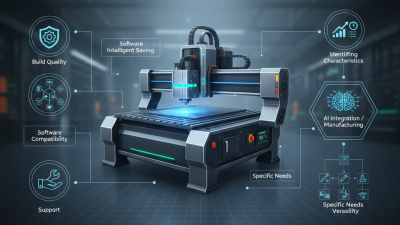
For global buyers, understanding the features and capabilities of different CNC routers is crucial. High-quality routers can significantly improve product quality while reducing labor costs. However, the wide range of options can be overwhelming. Factors like material compatibility and software integration must be considered. Not every machine fits every purpose, so failing to choose wisely can lead to wasted resources.
Many buyers overlook after-sales support and maintenance services, which can impact long-term performance. Engaging with experienced suppliers can provide insights that are not readily available in product manuals. It’s essential to weigh these factors carefully, as the right CNC router can propel a business forward, while the wrong choice can hinder growth.
Understanding CNC Routers: Types and Their Applications
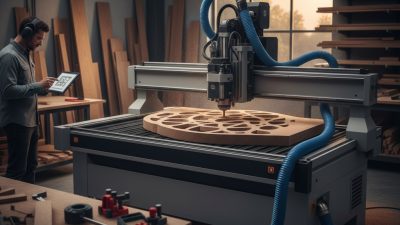
Understanding CNC routers is essential for informed purchasing. These machines come in various types, each suited for specific tasks. For instance, a desktop CNC router works well for small projects. It is perfect for hobbyists and smaller workshops. Meanwhile, larger industrial versions can handle substantial materials and complex designs.
CNC routers are commonly used in wood, metal, and plastic fabrication. The versatility of these machines is astonishing. They can create intricate designs, often beyond manual capabilities. However, with this versatility comes a steep learning curve. Users must understand software and settings to achieve desired results. Many newcomers face challenges in mastering the technology.
Consideration of the applications is critical when choosing a CNC router. Each type serves different needs. For example, some models cater to engraving and carving, while others are dedicated to cutting and milling. Buyers should reflect on their specific requirements. This reflection can prevent future frustrations and enhance satisfaction with the equipment.
Key Features to Consider When Buying a CNC Router
When purchasing a CNC router, several key features demand careful consideration.
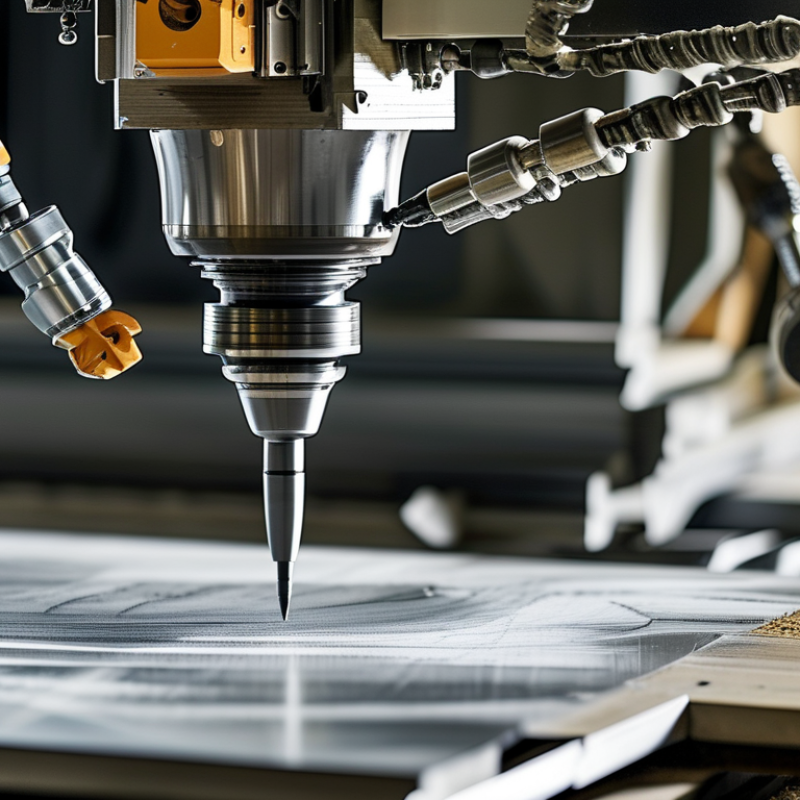
The spindle power is crucial, as it determines cutting efficiency. A spindle rated at 2.2 kW is commonly sufficient for various materials, but heavier operations may require up to 5.5 kW. According to industry reports, routers with higher power ratings demonstrate improved performance and longevity.
The working area is another critical aspect. Depending on your projects, a larger table can accommodate bigger pieces, enhancing versatility. Many buyers overlook the importance of precision. A router with consistent tolerances of 0.01 mm enhances quality, reducing the need for rework. Research indicates that precision errors can increase production costs by up to 20%.
Finally, control software is vital. Intuitive software streamlines operations but often comes with a learning curve. Many users report challenges in mastering advanced features. As highlighted in user feedback, the combination of robust software and hardware is essential for optimal performance. Balancing these factors requires careful thought and research, ensuring that you make a well-informed decision.
Comparing Price Ranges: Budget vs. High-End Models
When considering CNC routers, buyers face a crucial decision: budget models versus high-end options. Data shows that mid-range CNC routers priced between $1,000 and $5,000 dominate the market. They cater to hobbyists and small businesses, offering good performance without breaking the bank. However, these models often lack advanced features and durability compared to premium machines.
High-end CNC routers, typically costing over $5,000, are designed for professionals. They offer robust build quality, precision, and faster processing speeds. Reports indicate that these machines can handle more complex tasks and heavy materials. For example, they often feature enhanced spindle power and improved software capabilities. Investing in such equipment can lead to greater efficiency and fewer long-term costs.
**Tip:** When evaluating a CNC router, consider the materials you'll primarily work with. If you focus on lightweight projects, a budget model may suffice. However, for heavier materials, investing in high-end options pays off. Also, review customer feedback to gain insights into performance reliability. Remember, choosing the right option requires understanding your needs and budget constraints.
Top Brands and Their Global Availability
When considering CNC routers, understanding brand availability is crucial for global buyers. Leading reports indicate that global demand for CNC routers is growing at a steady rate of approximately 5-7% annually. This growth is largely driven by the expanding manufacturing sector in regions like Asia-Pacific, which emphasizes the need for locally available brands.
Many top brands have established their presence worldwide. For instance, a significant percentage of buyers in North America prefer brands known for their reliability and long service life. In Europe, the focus is on precision engineering and innovation. It’s essential to verify if the selected brand has local support and service centers. This can significantly affect maintenance and downtime.
Tip: Prioritize purchasing from brands that have a robust international presence. This will ensure ease of access to spare parts and expert assistance.
It’s also vital to consider the specific needs of your projects. Some brands may excel in woodworking, while others might be better suited for metals or plastics. Evaluating the specifications and capabilities of each brand is key. Not all brands offer equal performance, even if they appear popular.
Tip: Research online reviews and industry reports to gauge user satisfaction. Connect with local user groups for first-hand experiences and insights.
Maintenance Tips for Longevity of CNC Routers
CNC routers can be an investment for any workshop. Proper maintenance is essential for their longevity. Regular cleaning and lubrication will help prevent wear and damage. Dust and debris can accumulate, affecting performance. A quick wipe-down after each use can make a big difference.
Check for loose parts regularly. Vibration can cause screws and bolts to come undone. This could lead to misalignment and poor cuts. Tightening them periodically can help maintain precision. Additionally, replacing worn-out bits is important. Dull tools can strain the machine and result in subpar work.
Keep an eye on the software updates. Running outdated software can lead to glitches. It’s crucial to stay informed about any new functionalities. This can enhance the router's performance. Lastly, consider creating a maintenance log. This record can provide insight into the machine’s usage patterns, helping you anticipate issues.
CNC Router Buying Guide: Best Options for Global Buyers
This chart displays the average ratings for different features of CNC routers based on user feedback. The data reflects the importance of various factors considered by global buyers when choosing a CNC router.